
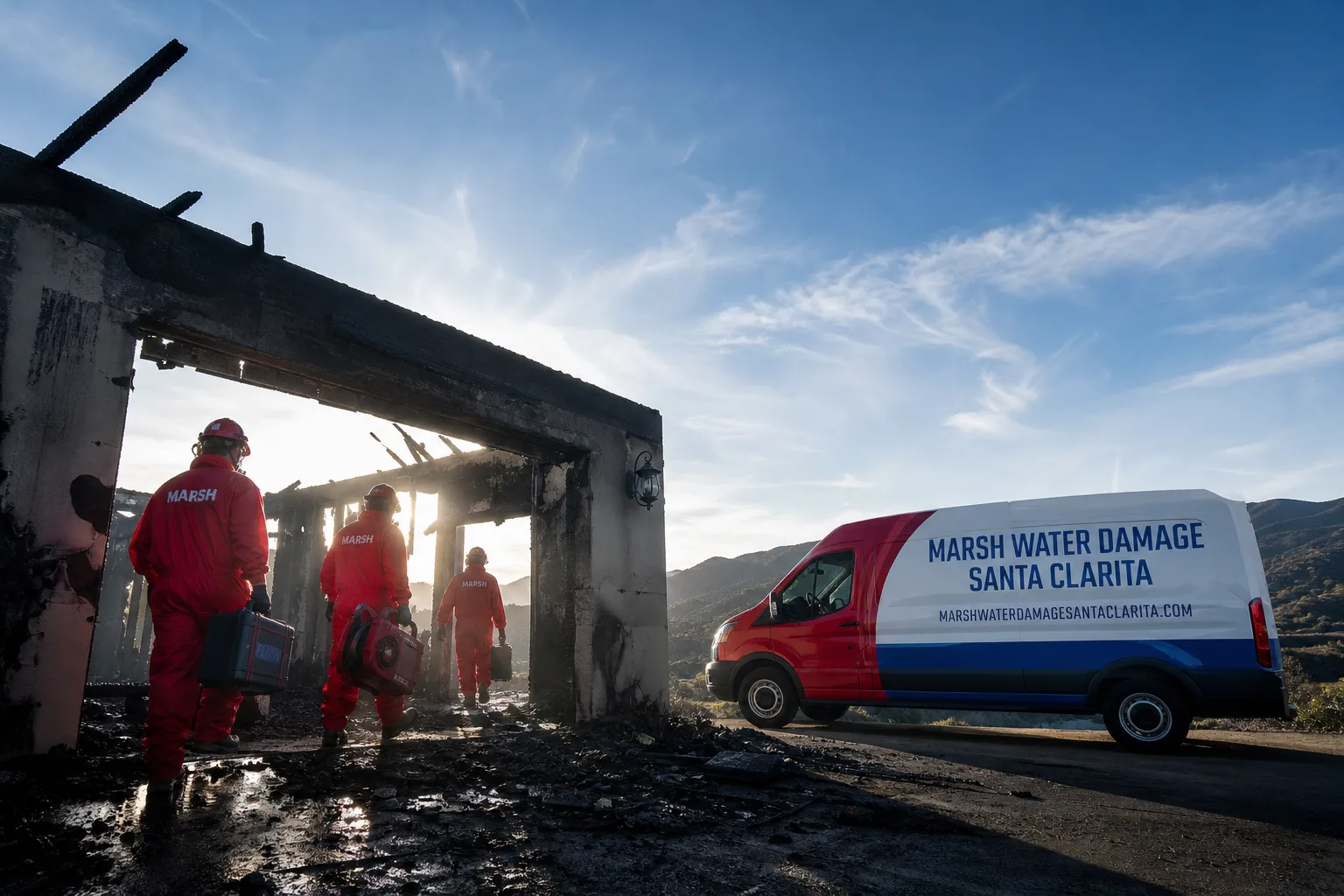
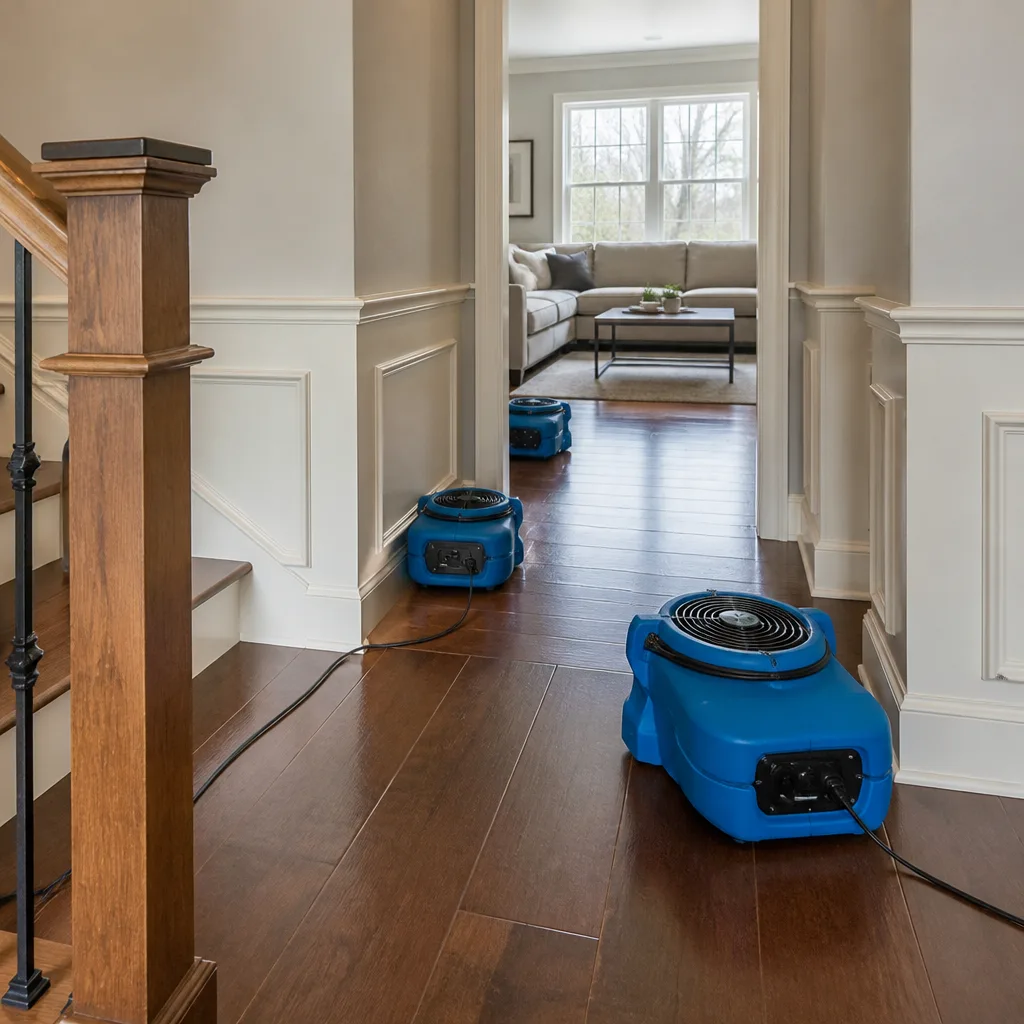
 Water damage drying
 Fire & smoke cleanup
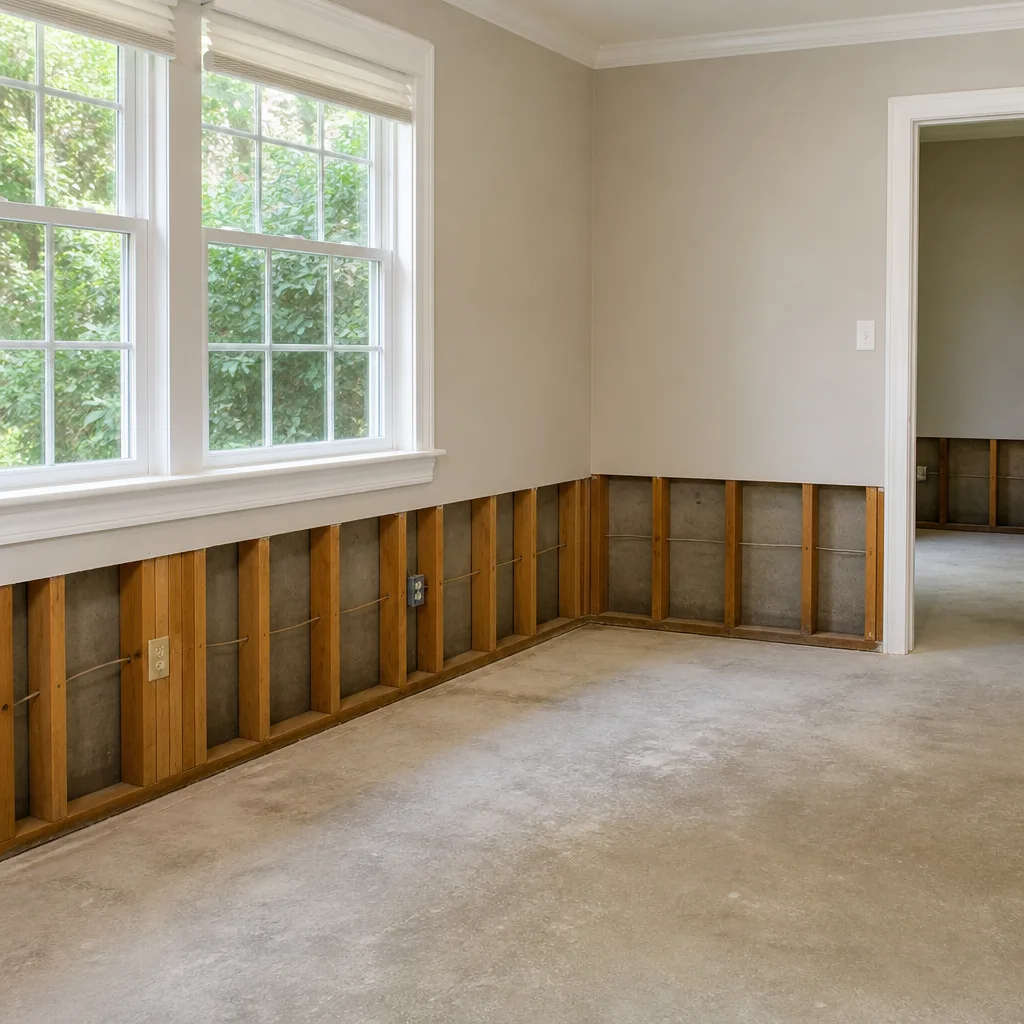 Mold remediation
 Storm response
 Sewage cleanup
 Reconstruction
Free visual inspection and a written scope of work before any mitigation begins - photos, moisture readings, and drying logs go in your claim file
The scope we write is the scope we bill. Anything new gets shown to you, in writing, before we touch it.
Get your free estimateFast, Reliable Storm Damage Restoration Across Northridge
Storm damage in Northridge rarely announces itself politely. A wind-driven branch punches through a stucco wall on White Oak Avenue. A clogged vent well floods a Devonshire Highlands crawlspace at 2 a.m. A slab leak soaks the original oak flooring in a 1962 ranch near CSUN before anyone notices the water bill spike. When it happens, you need a crew that knows Northridge’s houses specifically, not just water damage generally. Call (661) 347-1348 and a live person answers. We dispatch to Northridge immediately, and every technician who shows up has already been sent to you by name and photo. You won’t wonder who’s at the door.
Why Marsh Water Damage Santa Clarita Is Northridge’s Preferred Storm Damage Restoration Company
Northridge homeowners call us because we’ve spent years working inside the specific housing stock that defines this neighborhood: one-story ranch homes built from the 1950s through the 1970s, wood-framed, stucco-clad, sitting on slab foundations. Many of those homes were bolted and braced after the 1994 earthquake, and that retrofit work lives behind the drywall. A restoration crew that doesn’t know to look for shear walls and hold-down bolts before cutting into a water-damaged wall can turn a category 1 loss into a structural repair that costs thousands more and delays everything by weeks. Our technicians map the framing first. Every time.
That’s the difference between a generic restoration company and a team that works Northridge regularly. We know the split-levels in Devonshire Highlands collect water in places standard moisture meters miss. We know the post-and-beam ceilings in mid-century homes hide moisture in cavities that look dry from the outside. And we know that when a Northridge homeowner calls at 11 p.m. on a rainy February night, they need someone who can be there before the water wicks deeper into original framing. Our Storm Damage Restoration crews carry the same Dri-Eaz, Phoenix, and XPOWER equipment used in large commercial losses, because residential damage deserves commercial-grade drying.
Every technician we send to Northridge is background-checked, identity-verified, uniformed, and photo-badged under the Threshold Verified standard. You get their name and photo before they arrive. They show a badge at the door. No exceptions. That’s how we’ve built our reputation in the San Fernando Valley since 2005, and it’s why Northridge homeowners who’ve used us once call us first the next time.
Restoration work we handle
Basement Flood Cleanup in Northridge
Basement Flood Cleanup in Northridge usually means a crawlspace or a below-grade den rather than a true basement, because so many homes here sit on slab foundations. When category 2 water from a slab leak or a failed water heater floods a below-grade space, the water has nowhere to drain. It sits. It wicks into framing. Within 48 hours, mold starts blooming behind knee walls and inside post-and-beam cavities, which is why our Mold Remediation in Northridge protocols begin the same day we arrive. That’s the clock we work against. Typical basement flood cleanup in Northridge runs $1,800 to $4,200 for extraction, containment, drying equipment, and post-drying verification, depending on square footage and how long the water sat before we arrived.
Slab Leak Flooding
A slab leak in a 1960s Northridge ranch doesn’t look like a burst pipe. It looks like warm spots on the floor, a water bill that doubled, or carpet that never quite dries. By the time most homeowners notice, category 2 water has already migrated under the slab and into the bottom plates of interior walls. We extract from the lowest point, map moisture through the slab seams, and set drying chambers that pull water back out of the wood framing without tearing out the whole floor.
Split-Level Crawlspace Intrusions
Homes in Devonshire Highlands and along the northern slope of Northridge often have split-level foundations with crawlspaces that turn into shallow ponds after rare heavy rain. Pumping the water out isn’t enough. We check the vent wells from the exterior, because that’s where clogged drainage sends water behind knee walls. If we skip that check, we leave hidden moisture that re-wets the drying logs and lets mold return within weeks.
Storm Damage Contractors in Northridge
Storm Damage Contractors in Northridge do more than rip out wet drywall. They’re the people who understand that a water cut-out in a 1968 ranch home might run straight into a hold-down bolt from a 1996 seismic retrofit, and that cutting through that bolt turns a $2,500 mitigation into a $12,000 structural repair. Full storm damage repair in Northridge, including water extraction, controlled demolition, drying, and reconstruction, typically runs $4,500 to $14,000. Severe cases involving structural framing replacement or whole-room rebuilds start around $18,000 and go up from there. You’ll get a written price before any work begins, never after demo opens up surprises.
Seismic-Aware Cut-Outs
Before our technicians cut into any water-damaged wall in Northridge, they map the framing and locate seismic hardware. Post-1994 retrofits placed shear walls and hold-down bolts throughout the original structure, often right where water migrates first. Mapping those anchors before cutting means we can dry the structure without compromising the earthquake safety systems the homeowner paid to install.
Post-And-Beam Drying
Northridge’s mid-century ranch homes often use post-and-beam construction instead of conventional stud framing. Those thick structural beams look dry on the surface long after water has migrated deep inside. We use penetrating moisture meters and extended drying times, not just surface readings, because a beam that feels dry can still be holding enough moisture to support fungal growth and compromise its load-bearing strength.
Trusted Brands We Service in Northridge
We work on whatever brand of equipment or structural system is already in your home, but the drying and extraction gear we bring is selected from the workhorses of the restoration industry: XPOWER air movers, B-Air axial fans, and Injectidry systems for hard-to-reach cavities. Our technicians hold IICRC credentials, the restoration industry’s recognized training standard, so the person running the Phoenix dehumidifier in your living room actually understands psychrometric readings (measuring the moisture in the air) and knows when your structure is genuinely dry, not just dry on the surface. For Northridge customers, that means faster drying times and fewer callbacks.
See the difference
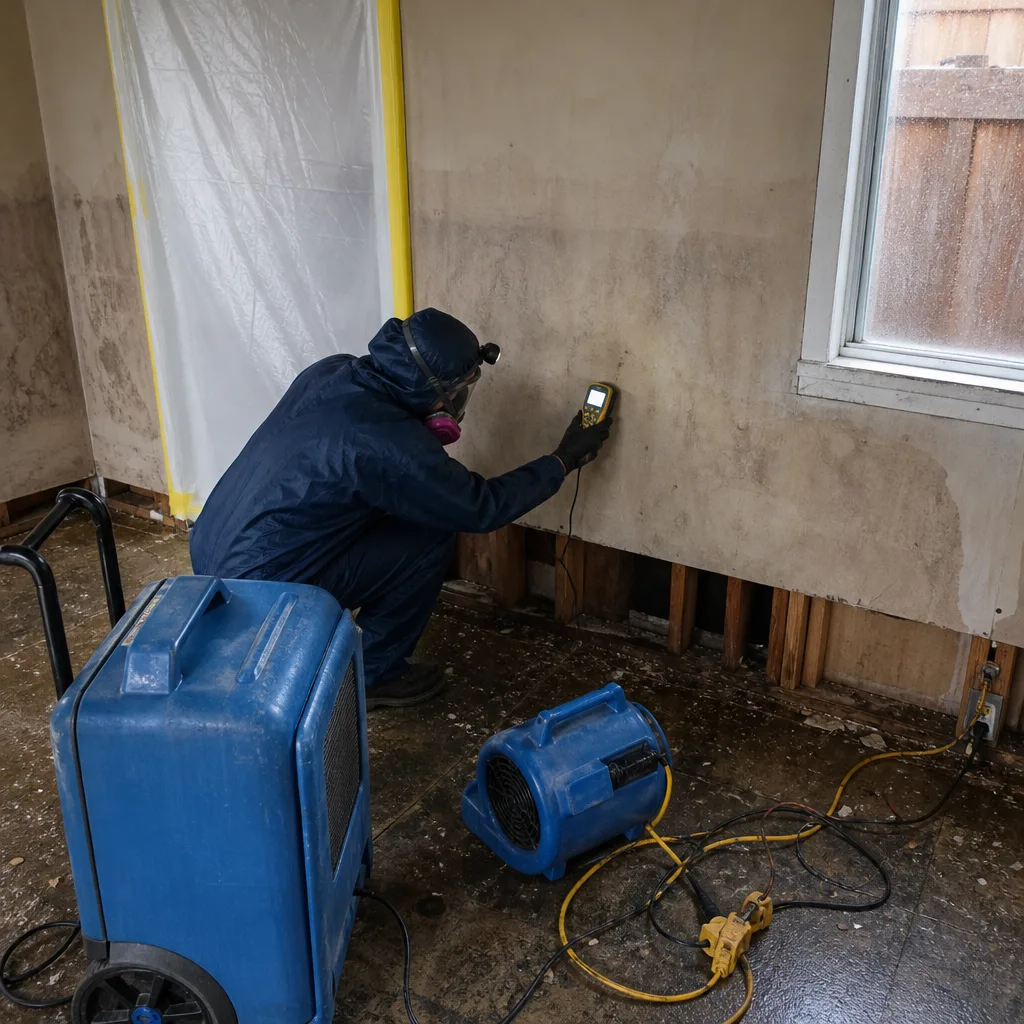 Before
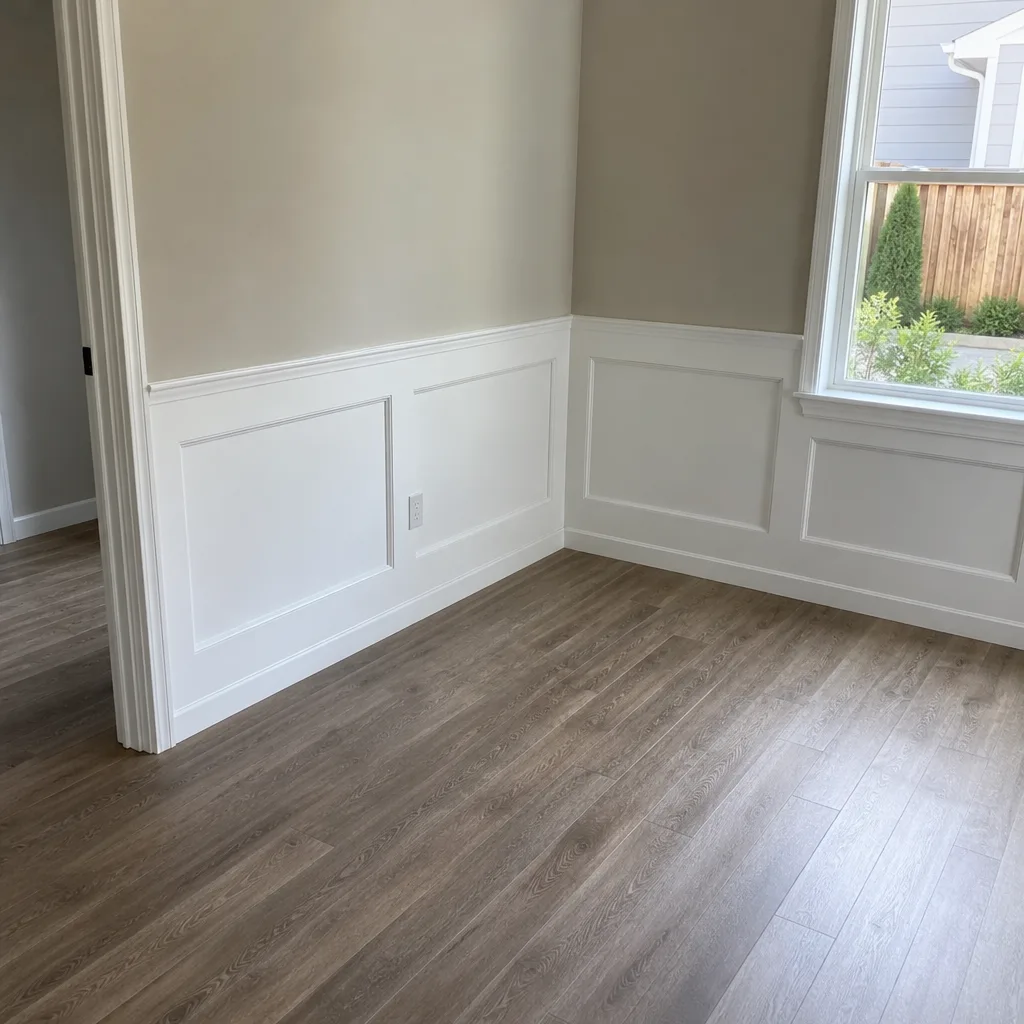 After
After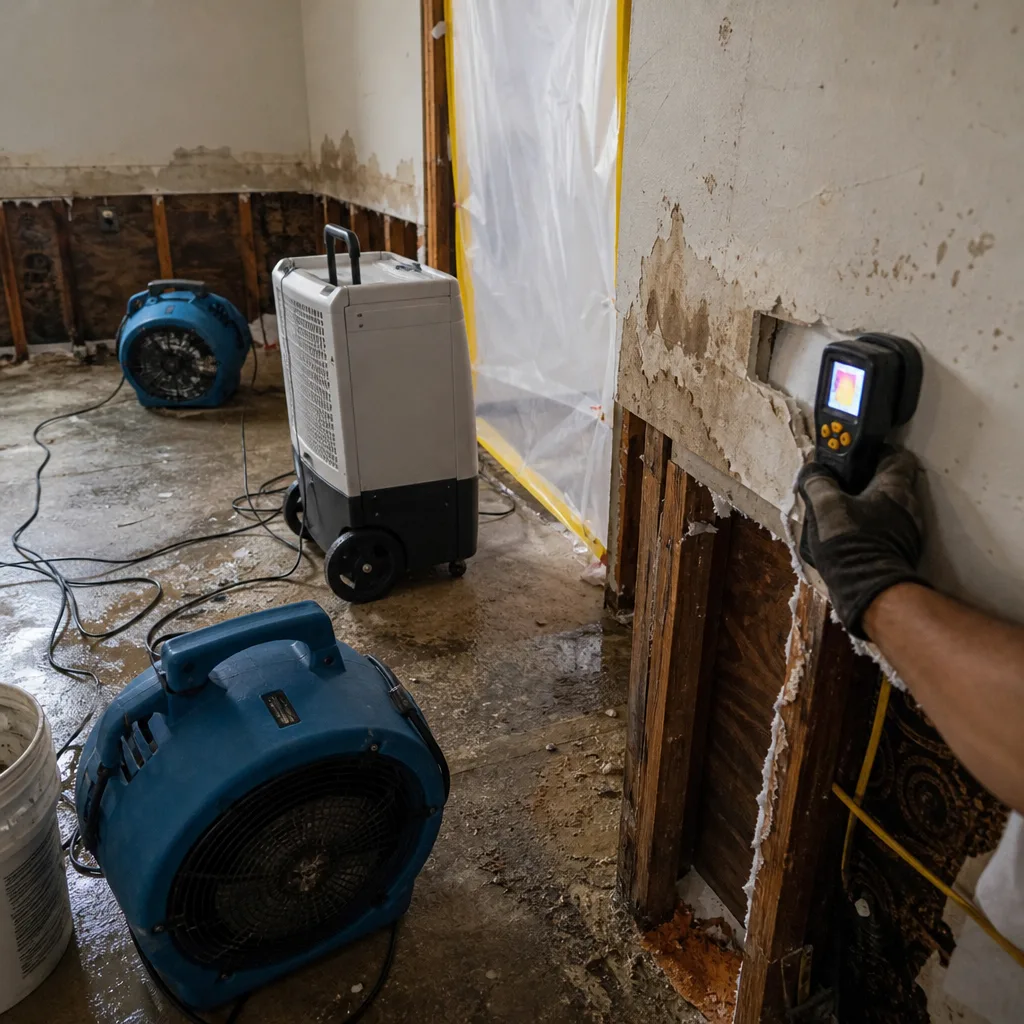 Before
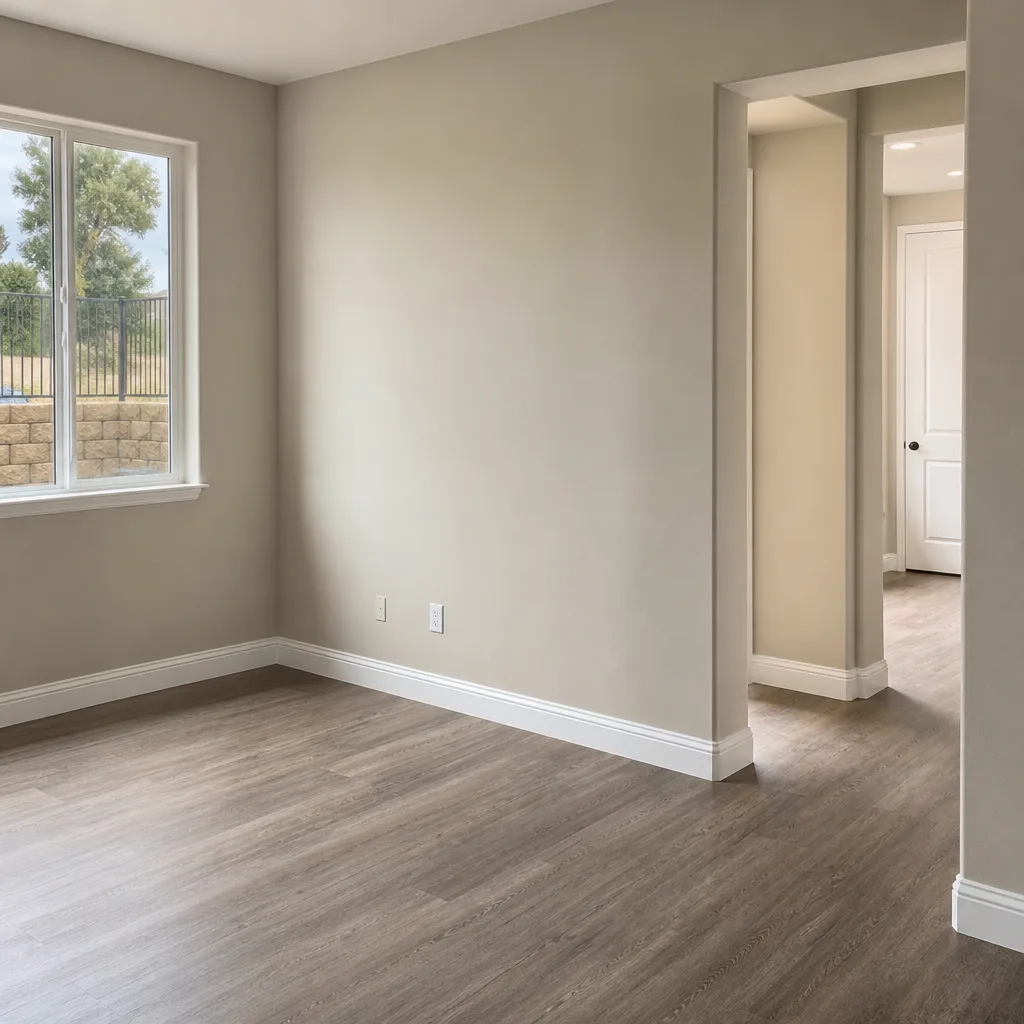 After
After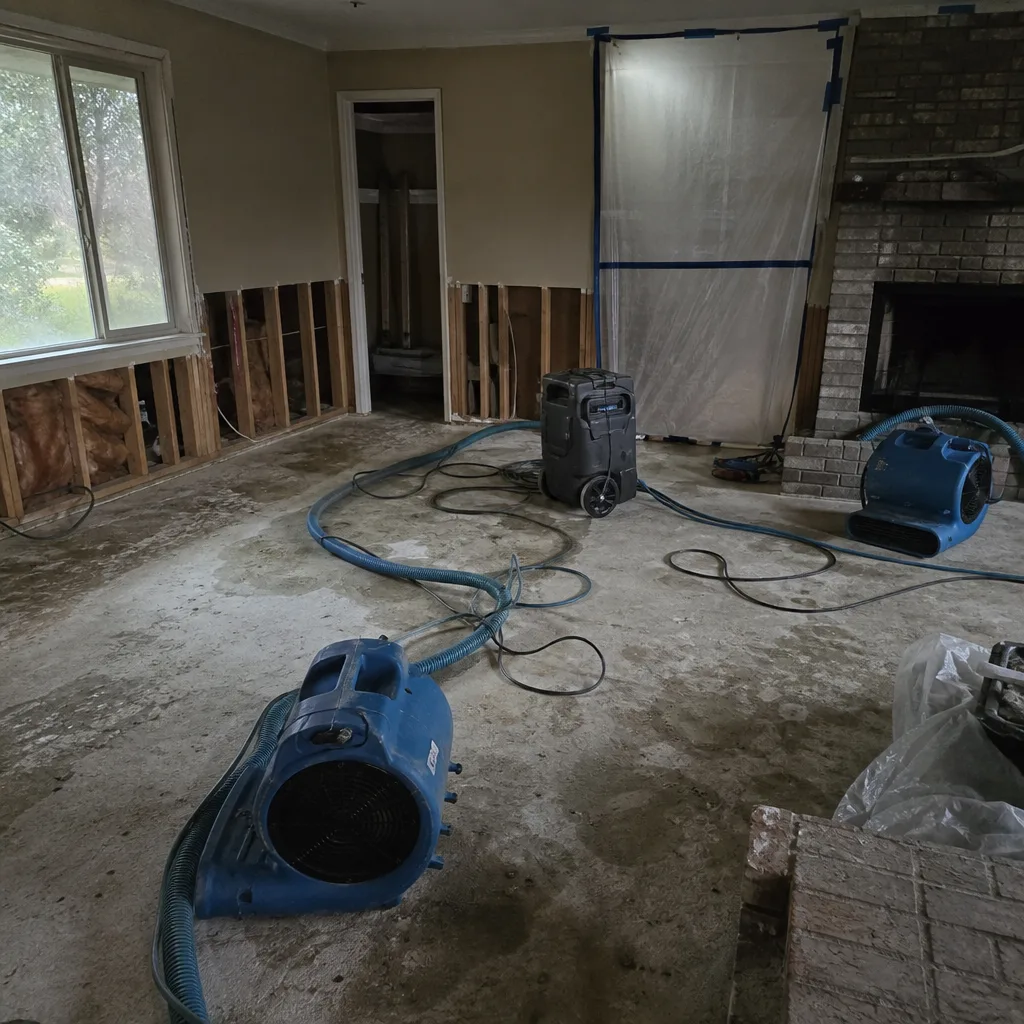 Before
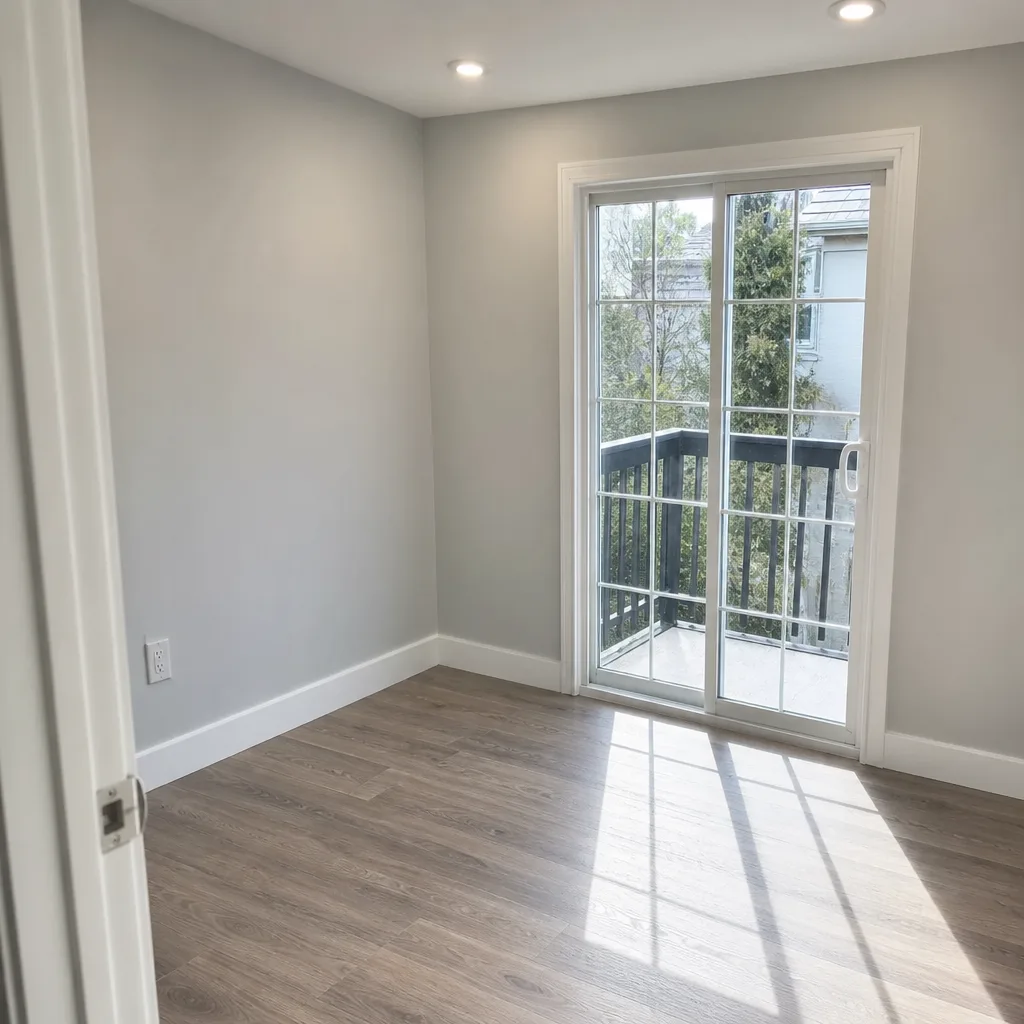 After
AfterCommon Storm Damage Restoration Problems We See in Northridge Homes
- Hidden moisture in post-and-beam cavities: Mid-century ranch homes have structural beams that hide water inside for weeks. Technicians who only take surface moisture readings sign off on a dry house that isn’t dry, and mold blooms behind knee walls within 48 hours.
- Seismic hardware in the way: Post-1994 shear walls and hold-down bolts sit behind original drywall all over Northridge. Cutting into water-damaged walls without mapping those anchors first turns a simple extraction into an avoidable structural repair.
- Split-level crawlspace flooding: Devonshire Highlands homes with split-level foundations collect water in crawlspaces during rare heavy rain. Pumping out the standing water without checking slab seams and exterior vent wells leaves hidden pockets that re-wet the framing after the drying logs close.
- Wind-driven smoke and soot intrusion: Northridge sits close enough to wildfire zones that Santa Ana wind events push embers and fine soot into homes even without direct flame contact. That soot settles inside walls and HVAC ducts, requiring restoration that goes beyond a surface cleaning.
Pricing for Storm Damage Restoration in Northridge, CA
Storm damage restoration here runs a wide range because Northridge’s housing stock varies so much. A straightforward water extraction from a single room in a slab-foundation ranch typically costs $1,400 to $2,800. Adding drying equipment, containment, and monitoring brings most residential jobs to $3,500 to $7,500. Reconstruction after a major storm, including drywall replacement, insulation, paint, and structural repairs, usually lands between $8,000 and $15,000. The factors that move the number: how long water sat before extraction, whether seismic hardware requires specialized cut-out work, and whether post-and-beam framing needs extended drying time. Call (661) 347-1348 for a free estimate. You’ll get a written price before any work starts, and that price doesn’t change unless you approve the change in writing first.
We Also Serve Cities Near Northridge
Our crews work throughout the west San Fernando Valley. If you’re in Northridge or a neighboring community like Winnetka, Reseda, Porter Ranch, or Chatsworth, the same Threshold Verified technicians and the same written-price guarantee apply. Storm damage doesn’t respect city limits, and neither do our service boundaries.
Serving Northridge, CA - Our Local Coverage Area
We’re based in the Northridge area and know this community well. Use the map below to see our service coverage - if you’re nearby, we can almost certainly help.
FAQs About Storm Damage Restoration in Northridge
Yes. After the 1994 Northridge earthquake, thousands of local homes were retrofitted with shear walls and hold-down bolts installed inside original wall cavities. When storm water soaks those walls, technicians have to locate and map that seismic hardware before cutting into drywall for extraction or drying access. Cutting through a hold-down bolt accidentally turns a water mitigation job into a structural repair. Our crews map framing with stud finders and reference any available retrofit plans before the first cut. Call (661) 347-1348 if you’re dealing with water damage in a home you know was bolted and braced.
Because their crawlspaces and knee walls trap water in places standard moisture meters don’t reach. In Devonshire Highlands, homes on the northern slope have split-level foundations where vent wells clog and direct water behind knee walls and into post-and-beam cavities. If a technician only checks interior surfaces, they miss the hidden pockets, and mold blooms within 48 hours. We pull readings from the exterior vent wells specifically because that’s where the water enters and where the moisture hides.
We start by extracting from the lowest accessible point and mapping moisture migration through the slab seams. Category 2 water from a slab leak has already wicked into the bottom plates of interior walls by the time most homeowners call, so we set up targeted drying chambers that pull moisture back out of the wood framing without demoing the entire floor. The slab itself doesn’t absorb water the way wood does, but the seams and edges do. Sealing those areas and drying under controlled conditions usually saves the floor. Call us for an exact assessment, estimates are free.
Post-and-beam framing uses thick structural members that hold moisture deep inside long after the surface feels dry. Standard moisture meters only read the surface, so a technician can close out a job with the beams still wet inside. Over the next few weeks, that trapped moisture feeds mold and degrades the wood’s load-bearing capacity. We use penetrating meters and extend drying times specifically for post-and-beam construction, and we don’t sign off until the core moisture readings match pre-loss levels.
Yes, and it’s one of the most common things Northridge homeowners underestimate. During Santa Ana wind events, fine soot and ember-driven smoke push into homes through vents, eaves, and the smallest gaps around windows. No flame touches the house, but the soot settles inside walls, behind drapes, and into HVAC ducts. It’s an odor and an air quality problem that needs professional cleaning, not just airing the house out for a few days. If you smell smoke indoors after a nearby fire, call (661) 347-1348 for an assessment.
Written by Tobias Reyner, Owner at Marsh Water Damage Santa Clarita, serving Northridge and the San Fernando Valley since 2005.