
Last updated October 16, 2026
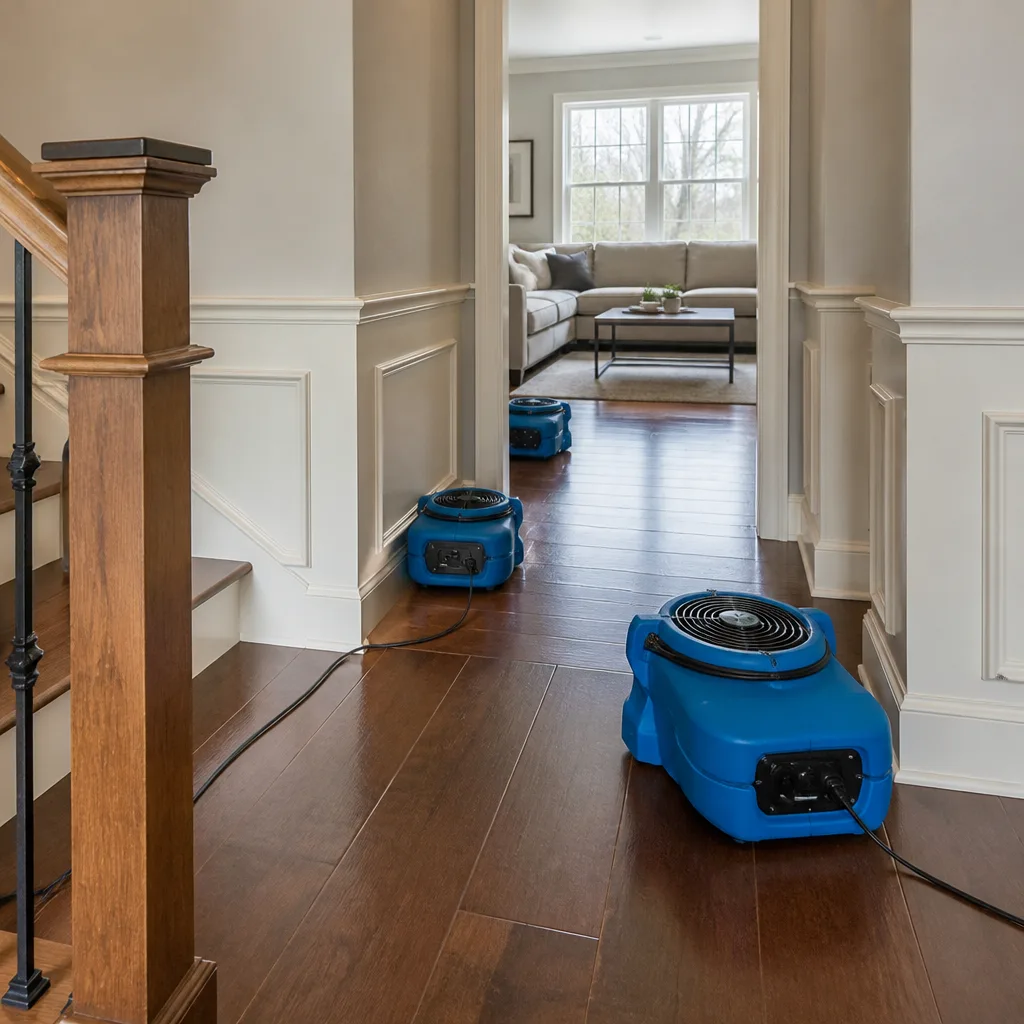 Water damage drying
 Fire & smoke cleanup
 Mold remediation
 Storm response
 Sewage cleanup
 Reconstruction
Free visual inspection and a written scope of work before any mitigation begins - photos, moisture readings, and drying logs go in your claim file
The scope we write is the scope we bill. Anything new gets shown to you, in writing, before we touch it.
Get your free estimateDamage Restoration Cost Breakdown: The Santa Clarita Homeowner’s Reference for 2026
In the fifteen years we’ve spent drying out homes across Santa Clarita, the most expensive line item on a water damage job has never been the equipment or the labor. It’s the silence between the first phone call and the moment someone actually arrives. That delay costs more than any blower or dehumidifier ever will, because water doesn’t negotiate and it doesn’t wait. This guide lays out what restoration actually costs in Santa Clarita in 2026, why those numbers run higher than the national charts your insurance company is using, and exactly what to look for in an estimate so you’re not financing someone else’s corner-cutting. For Damage Restoration Warning Signs: A Santa Clarita Homeowner’s Reference Guide, see our companion post.
Restoration work we handle
Quick Answer
Most residential water damage restoration in Santa Clarita runs between $2,100 and $7,800 in 2026, with the average full mitigation and repair landing around $4,400. The category of water (clean, gray, or black) is the single largest cost driver, followed by the square footage of affected drywall and flooring. Santa Clarita specifically runs 18 – 31% above the national averages most insurance adjusters pull from Xactimate or Symbility, mostly due to Los Angeles County labor rates and local disposal fees.
Table of Contents
- Why Santa Clarita Restoration Costs Run Higher Than National Averages
- 2026 Line-Item Pricing: What You’ll Actually Pay in Santa Clarita
- Water Categories and Why They Reshape Your Entire Estimate
- The Hidden Costs That Appear Mid-Job and How a Written Estimate Prevents Them
- How to Read a Restoration Estimate Like a Contractor
- Working With Your Insurance Adjuster: Santa Clarita Claim Realities
- Common Mistakes to Avoid
- When to Call a Professional
- Frequently Asked Questions
- The Bottom Line
Why Santa Clarita Restoration Costs Run Higher Than National Averages
Insurance companies price claims against national databases. That’s the root problem. When an adjuster opens a file for a water loss in Valencia or Canyon Country, the labor rates they pull often come from a blended national curve that doesn’t account for what drywall contractors, plumbers, and restoration techs actually charge in the Santa Clarita Valley. We regularly see drywall finishing labor here running 22 – 35% above the national benchmark, and that gap shows up on every replacement sheet, every patch, every corner bead.
There are structural reasons for this. Santa Clarita sits inside Los Angeles County, which means disposal fees at local transfer stations run higher than most of the country. Tear-out debris from a single flooded bedroom can add $180 – $420 in dump costs alone, before labor. The climate plays a role too. When summer temperatures push past 100 degrees, drying equipment has to work harder and run longer because humidity behaves differently in a hot valley than it does at the coast. Psychrometric readings (measuring the moisture in the air) tell us when a structure is genuinely dry, not just dry on the surface. In August, that takes longer and costs more.
Then there’s the permitting layer. Santa Clarita’s building department requires permits for structural drying when load-bearing walls or electrical systems are involved. A permit adds $200 – $600 depending on scope, and it slows the timeline. For details, read Damage Restoration Permits, Codes & Inspections in CA: What You Need to Know. National cost sheets don’t always include local permit fees, and that omission shortchanges homeowners who are already stressed.
For a deeper look at how these factors play out on a real job, our Water Damage Restoration in Santa Clarita page walks through the full process from first call to final walkthrough.
2026 Line-Item Pricing: What You’ll Actually Pay in Santa Clarita
Here’s the breakdown most homeowners never see until the estimate lands in their inbox. These ranges reflect what we’re seeing on actual Santa Clarita jobs in 2026, not national charts. Every job varies by square footage, water category, and how quickly mitigation starts, but these numbers give you a real floor to stand on when a claim comes back low.
Water Extraction
- Standing water removal (single room): $425 – $900
- Whole-home extraction (1,500 – 2,500 sq ft): $1,400 – $3,200
- Sewage extraction (black water, includes decontamination): $1,800 – $4,500
Drying Equipment
- Air mover (per unit, per day): $35 – $60
- Commercial dehumidifier (per unit, per day): $85 – $145
- Hardwood floor drying system (per room, per day): $110 – $190
A typical drying setup for one flooded bedroom in Santa Clarita runs 4 – 6 air movers and 1 – 2 dehumidifiers for three to five days. That’s $420 – $900 in equipment rental alone, before any demolition or repair. The equipment we run comes from Dri-Eaz, Phoenix, and XPOWER, the same commercial-grade units used on large commercial losses, and that matters because a box-store fan won’t pull moisture from wall cavities and subfloors.
Demolition and Removal
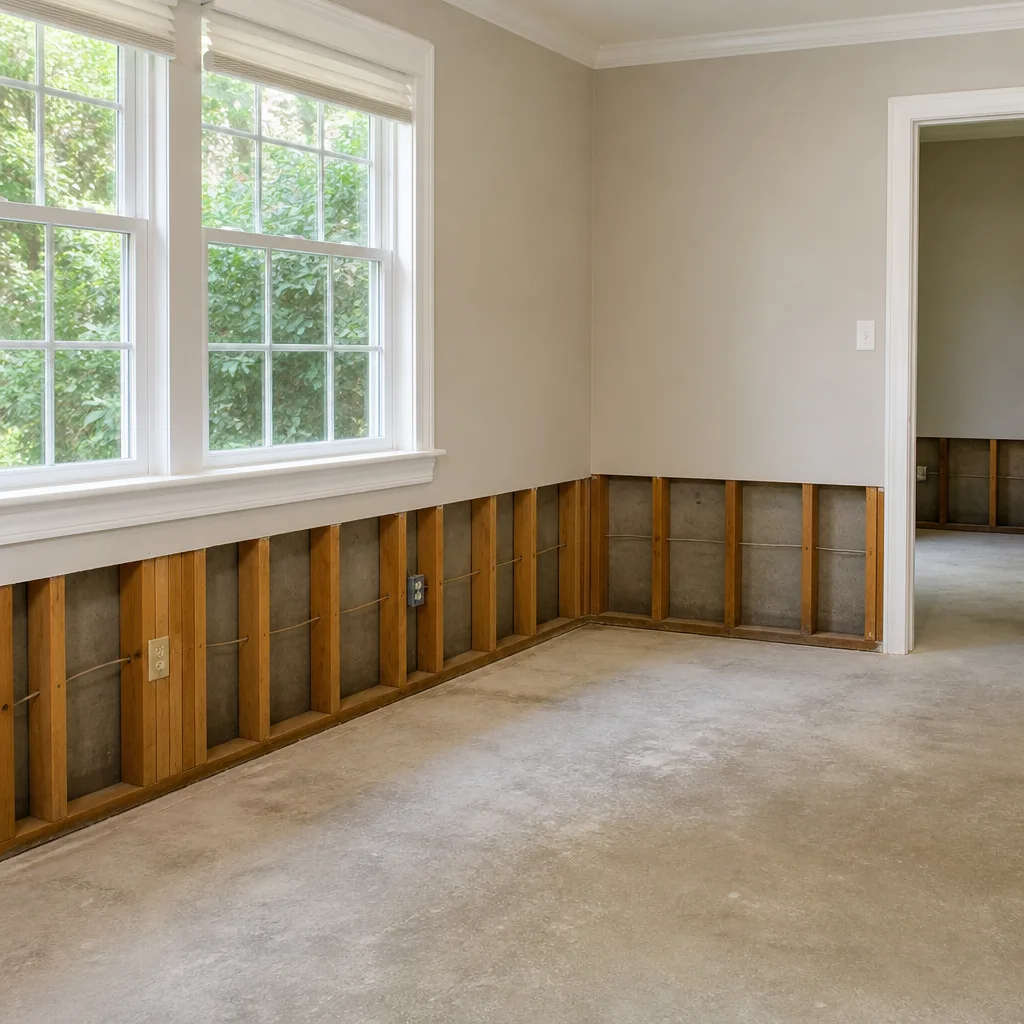
- Drywall removal (per linear foot of wall, 4 ft up): $6 – $14
- Baseboard removal (per linear foot): $3 – $7
- Wet carpet and pad removal (per room): $180 – $420
- Debris hauling (per truck load): $280 – $550
Reconstruction
- Drywall replacement (per sheet installed and finished): $150 – $280
- Baseboard replacement (per linear foot, painted): $9 – $18
- Carpet and pad replacement (per square foot): $4 – $9
- Luxury vinyl plank flooring replacement (per square foot): $6 – $14
- Paint (per room, walls only): $500 – $1,100
These numbers account for Santa Clarita’s actual material costs and labor rates, not national averages. When an estimate uses figures below these floors, something is being left out, usually the second coat of mud or the match coat of paint no one sees until the drywall shrinks.
Water Categories and Why They Reshape Your Entire Estimate
The category of water that flooded your home sets the cost floor for everything that follows. Insurers classify water into three categories, and the classification is based on the source and the level of contamination. Getting this documented correctly is the single most important thing you can do for your claim, because a Category 2 mislabeled as Category 1 turns a $6,000 mitigation into a $2,800 payout that won’t cover what the job actually requires.
Category 1: Clean water comes from a supply line, an overflowing bathtub, or a faucet left running. It doesn’t contain significant contaminants. The cost floor is lower because affected materials can often be dried rather than replaced. A Category 1 loss in a single bathroom typically runs $1,800 – $3,500 including drying, minor drywall repair, and repainting.
Category 2: Gray water comes from appliances like washing machines, dishwashers, or water that’s been sitting for more than 48 hours. It contains biological or chemical contaminants. Most affected porous materials (carpet, pad, some drywall) need replacement rather than drying. A Category 2 loss in a kitchen or laundry area runs $3,500 – $7,000 because the demolition radius expands.
Category 3: Black water is sewage, floodwater, or groundwater entering the home. It’s frankly hazardous. All porous materials touched by black water come out, no exceptions, and affected framing gets treated with antimicrobial agents after the demo. A Category 3 loss in a finished basement or ground-floor bedroom runs $7,000 – $18,000 depending on whether the sewage backed up through a single fixture or multiple floor drains.
To prove your category, photograph everything before anything moves. Document the source. If a plumber opened the wall and found sewage, get it in writing. Insurers respond to evidence, not assertion. If mold is already present or the damage involves category 2 or 3 water, see our Mold Remediation in Santa Clarita guide for what remediation adds to the picture.
The Hidden Costs That Appear Mid-Job and How a Written Estimate Prevents Them
The number one complaint about restoration contractors isn’t the quality of the work. It’s the phone call halfway through that says, “We found more.” That call turns a $4,000 job into $6,500 and the homeowner has no leverage to question it because the walls are already open. A written, itemized estimate, signed before any demolition begins, is the only reliable defense against this.
What Those Mid-Job Surprises Usually Are
- Hidden moisture behind walls: The thermal imaging and moisture meters may show dry drywall, but water wicked up through the sill plate behind the baseboard. Once the baseboard comes off, the studs are wet, and now the wall cavity needs opening. This is legitimate work, but the cost should be pre-authorized as a line item with a stated per-foot rate, not presented as a new total after the fact.
- Content pack-out escalation: You planned for a few boxes and some furniture moves. Then the adjustment shows the entire downstairs furniture set needs to go to storage for three weeks of drying. Pack-out, storage, and content cleaning can add $1,200 – $4,000 depending on the home’s contents.
- Temporary housing triggers: When air quality testing after a sewage loss or heavy mold shows spore counts that make the home unsafe, insurers may require temporary housing. In Santa Clarita, a two-week stay at an extended-stay hotel runs $1,600 – $2,800. That should be a covered expense, but only if the adjuster approves it in writing before you book.
- Equipment overstay: The drying plan says three days. Day three comes, the floor meter still reads 18% moisture content in the subfloor, and the equipment runs another two days. Every extra day adds $180 – $400 in rental charges. A written estimate should specify the drying goal (in moisture content percentage), not a number of days, so you know the what and the why.
Every one of these is a legitimate part of restoration. The problem in this industry is that too many companies use the surprise as a sales lever. A written price before work starts, with pre-priced contingency line items, converts these surprises from financial shocks into agreed-upon steps. That’s exactly how we run every job at Marsh Water Damage Santa Clarita: the estimate is on paper, the contingency rates are in writing, and nothing starts without your signature. It’s one of the reasons our Marsh Water Damage Santa Clarita home page states this as a printed commitment, not a slogan.
How to Read a Restoration Estimate Like a Contractor
Most homeowners flip to the bottom line and skip the line items. That’s a mistake, because the line items are where the money disappears. Here’s what a legitimate restoration estimate from a Santa Clarita company should always include, and what standard markups actually look like in Los Angeles County as of 2026.
Line Items That Should Always Appear
- Emergency call-out and assessment: $150 – $400. This covers the dispatch, the moisture mapping, and the written plan. Some companies waive it if you proceed with mitigation; if it’s waived, it should say so in writing.
- Water extraction: Priced per square foot or per room, never “as needed.”
- Drying equipment rental: Itemized by unit type, day rate, and projected days. If “drying” is a single lump sum, get it broken out.
- Demolition and debris removal: Separate line items. Demo is labor, debris is trucking and disposal. If they’re combined, ask why.
- Reconstruction materials: Drywall, mud, tape, paint, trim, flooring underlayment. Material lines should match the scope; a 12-foot wall doesn’t need eight sheets of drywall.
- Labor for reconstruction: Usually priced per sheet, per linear foot, or per square foot. This is where Santa Clarita labor rates push your total up, and where you should see the higher local rates reflected. A legitimate estimator uses current LA County labor tables, not national ones.
- Overhead and profit (O&P): Typically 10% overhead and 10% profit, or 20% combined, on jobs over $10,000. On smaller jobs, O&P of 15 – 20% is still standard because the fixed costs don’t shrink with the job size. Anything above 22% combined is inflating the bill; anything below 12% means the company is cutting somewhere, usually on labor quality or supervision.
What Inflated Look Like
An estimate that prices every demolition line at the top of the per-foot range but gives no square footage or linear footage to verify. An equipment rental that charges for 14 days on a job that should dry in five. A content pack-out line that includes “premium wrapping materials” at $8 per box when standard pack-out materials run $2 – $4. In our experience, the single best question you can ask is, “Will you put the moisture meter readings in the daily log?” A company that logs readings is a company that can justify its drying days. A company that won’t should make you pause.
- We’ve seen estimates where “dehumidifier” is priced as a single $1,400 line item with no day count and no unit count. That’s a red flag. Equipment rental should always be unitized: number of units times days times rate.
- Another red flag: an estimate that won’t separate mitigation from reconstruction. These are different scopes with different labor rates and different timelines. Mixing them into one lump sum is how money gets buried.
- Watch for “minimum charge” on small jobs. A $450 minimum for a two-hour extraction is reasonable in Santa Clarita because of travel time and equipment loading. A $900 minimum is not.
Working With Your Insurance Adjuster: Santa Clarita Claim Realities
The insurance adjuster’s job is to settle the claim for what the policy covers, not to hand you the local average. The single biggest mistake Santa Clarita homeowners make in this process is accepting the first number. National cost databases are a negotiating starting point, not a final offer, and adjusters know it. Most will adjust upward when presented with specific, documented local pricing.
How to Advocate for a Full Settlement
- Get a written estimate from a local restoration company before the adjuster arrives. This is the anchor document. It proves what Santa Clarita labor and materials actually cost in 2026. An adjuster can argue with a homeowner. It’s harder to argue with a line-item estimate from a licensed contractor that includes current local labor rates and disposal fees.
- Ask for the adjuster’s price list and line-item report. Most adjusters work from Xactimate or Symbility. Request a copy of the line items. Compare them to your estimate. When the drywall line is $0.87 per square foot and the local rate is $1.15, mark the difference and present it in writing.
- Document everything in photos and date-stamped video before any mitigation starts. This includes the water source, the affected rooms, the contents, and the areas behind furniture. If a Category 2 loss is rated as Category 1, your photos of the appliance or the standing time are what gets it corrected.
- Push for a second adjuster or a reinspection if needed. You have the right to request a reinspection with your contractor present. In our experience, half of reinspections in Santa Clarita result in a higher settlement, usually because the original inspection missed wall cavities, subfloor saturation, or cabinet toe-kick damage.
- Remember that the public adjuster option exists. Public adjusters work for you, not the insurer, and typically take 10 – 15% of the claim. For a $30,000 water loss, that fee can be worth it if your insurer is digging in. For a $4,000 loss, paying a public adjuster often eats the recovery.
Storm claims have their own set of rules, especially when wind and water mix. For how that changes the estimate process, see our Storm Damage Restoration in Santa Clarita page, which covers tarping, emergency board-up, and the specific documentation that storm claims demand.
Common Mistakes to Avoid
- Waiting overnight to call. Every hour of standing water expands the affected square footage. A Category 1 loss left for 36 hours can become Category 2, and now you’re replacing what could have been dried. In Santa Clarita’s summer heat, that timeline compresses further because warmth accelerates microbial growth.
- Accepting the insurer’s first settlement number. The first number is a starting offer built from national data. Push back with local pricing. Most adjustments that go to reinspection in Santa Clarita come back higher.
- Letting mitigation start without a written price. The single most expensive mistake a homeowner can make. Once walls are open and the equipment is running, your negotiating position evaporates. Get the contingency rates in writing before a hammer comes out.
- Using a shop vacuum for a Category 2 loss. It doesn’t extract water from the pad or the subfloor, and it puts contaminated water through a machine that will never be clean again. Worse, it delays professional extraction and expands the drying time, which raises your total.
- Not documenting contents before the pack-out. Take photos of every room, every closet, every drawer before contents are moved. When items are damaged and the claim is for content replacement, photos are the difference between replacement cost and deprecated value.
- Letting “we bill insurance directly” replace a written scope. Direct billing is standard in restoration. It is not the same thing as a written price. Both should happen. A company that resists the written price while promising to handle your insurer is flagging itself.
- Skipping the permit when structural drying is required. Unpermitted structural work can complicate a future sale in Santa Clarita, where disclosure requirements are strict. A legitimate restoration company will tell you when a permit is needed and walk it through the process.
When to Call a Professional
Water that has been sitting for more than eight hours, water from a sewage line or appliance drain, water that has wicked up walls or soaked into hardwood or subfloor, any water event accompanied by electrical concerns, or any musty odor that persists more than 48 hours after visible drying. These situations require commercial extraction and drying equipment, moisture meters, and a written drying plan. A plumber stops the source. A restoration company deals with what the source left behind. Not sure which route to take? Read our DIY vs Professional Damage Restoration: The Santa Clarita Homeowner’s Decision Guide. Marsh Water Damage Santa Clarita offers free estimates in Santa Clarita. Call (661) 347-1348 and a live person answers, any hour, any day.
Frequently Asked Questions
Most residential water damage restoration in Santa Clarita runs between $2,100 and $7,800, with the average sitting around $4,400 for a single-room loss involving mitigation and full repair. Category 2 and 3 water push the range to $7,000 – $18,000 because demolition expands and reconstruction follows. Call (661) 347-1348 for a written estimate on your specific situation, and you’ll know the number before any work begins.
If the loss is sudden and accidental (a burst supply line, an overflowing tub, a storm opening the roof), standard homeowner policies cover the restoration, minus your deductible. Gradual leaks and neglect are generally excluded, and flood damage requires separate flood insurance. Documentation is the deciding factor in claim outcomes: photograph everything, save the plumber’s invoice, and get a written estimate before the adjuster arrives.
Marsh Water Damage Santa Clarita answers calls live 24 hours a day and dispatches emergency extraction teams to Santa Clarita neighborhoods the same day, including Valencia, Canyon Country, Saugus, and Newhall. Mitigation should start within 24 hours of the water event. Every hour of delay expands the affected area and raises the final cost.
Mold in a contained area under 10 square feet can often be cleaned with appropriate antimicrobial products, but visible mold on drywall or in wall cavities almost always means the material must come out, because surface cleaning doesn’t reach the roots. If the mold covers more than 10 square feet, or if the source was Category 3 water, full remediation with containment is the standard. Call (661) 347-1348 for an honest assessment, and we’ll tell you which path applies before any work begins.
Marsh Water Damage Santa Clarita works directly with adjusters on your behalf, providing photo documentation, moisture logs, and itemized estimates formatted to what insurers expect to see. We don’t hand you paperwork and wish you luck. We’re in the claim with you from the first inspection to the final reinspection, and we’ll advocate for accurate local pricing when the national database comes in low.
The 365-Day Done Right Promise is our standing guarantee on every job, and it costs nothing extra. If a repair fails within a full year, we return and make it right, with a free second visit included automatically. It’s printed on every work order, time-stamped, and not something you have to argue for. The guarantee covers the repair work we performed, for 365 days from the completion date, and if something is not right, we fix it.
Santa Clarita requires permits when structural drying involves load-bearing walls, when electrical systems are affected, or when structural materials are replaced beyond cosmetic drywall. Your restoration company should identify the permit requirement upfront and handle the process. Unpermitted structural work can complicate a future home sale. A legitimate estimate will include permit fees as a line item when they apply.
The Bottom Line
Restoration costs in Santa Clarita run higher than national averages for real, documentable reasons: Los Angeles County labor rates, local disposal fees, valley climate patterns that extend drying timelines, and higher local material costs. Homeowners who come to the claim with a written local estimate, thorough photo documentation, and a contractor who itemizes contingency rates in writing recover settlements that match the actual cost of the work. The mistakes that cost most are waiting to call, accepting the first adjuster number, and letting work start without a written price. Get the estimate on paper. Get the price before the hammer. Get someone local who knows Santa Clarita, not a national chart. Then browse more guides & resources to stay prepared.
If you’ve got water where it shouldn’t be, call (661) 347-1348. A live person answers, we’ll walk you through what you’re looking at, and the estimate is free.
Written by Tobias Reyner, Owner at Marsh Water Damage Santa Clarita, serving Santa Clarita since 2005.
See the difference
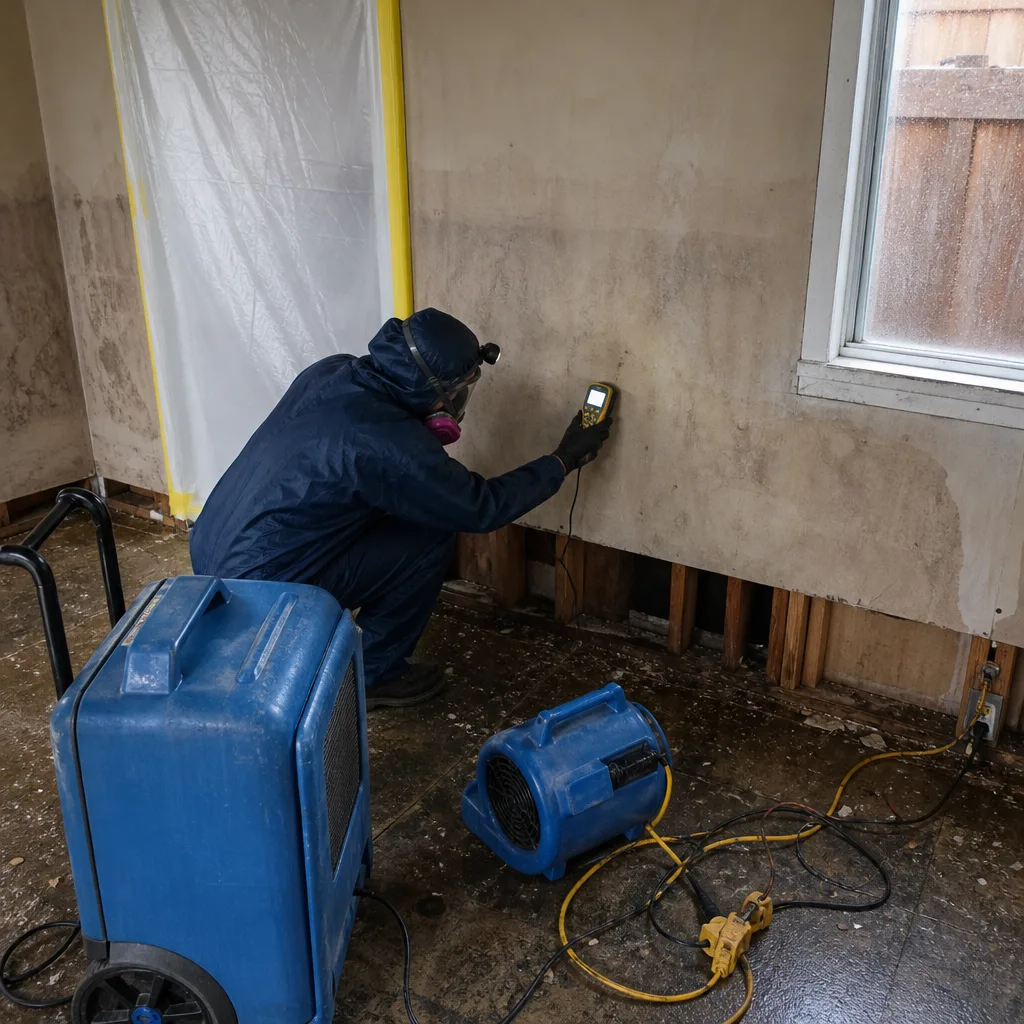 Before
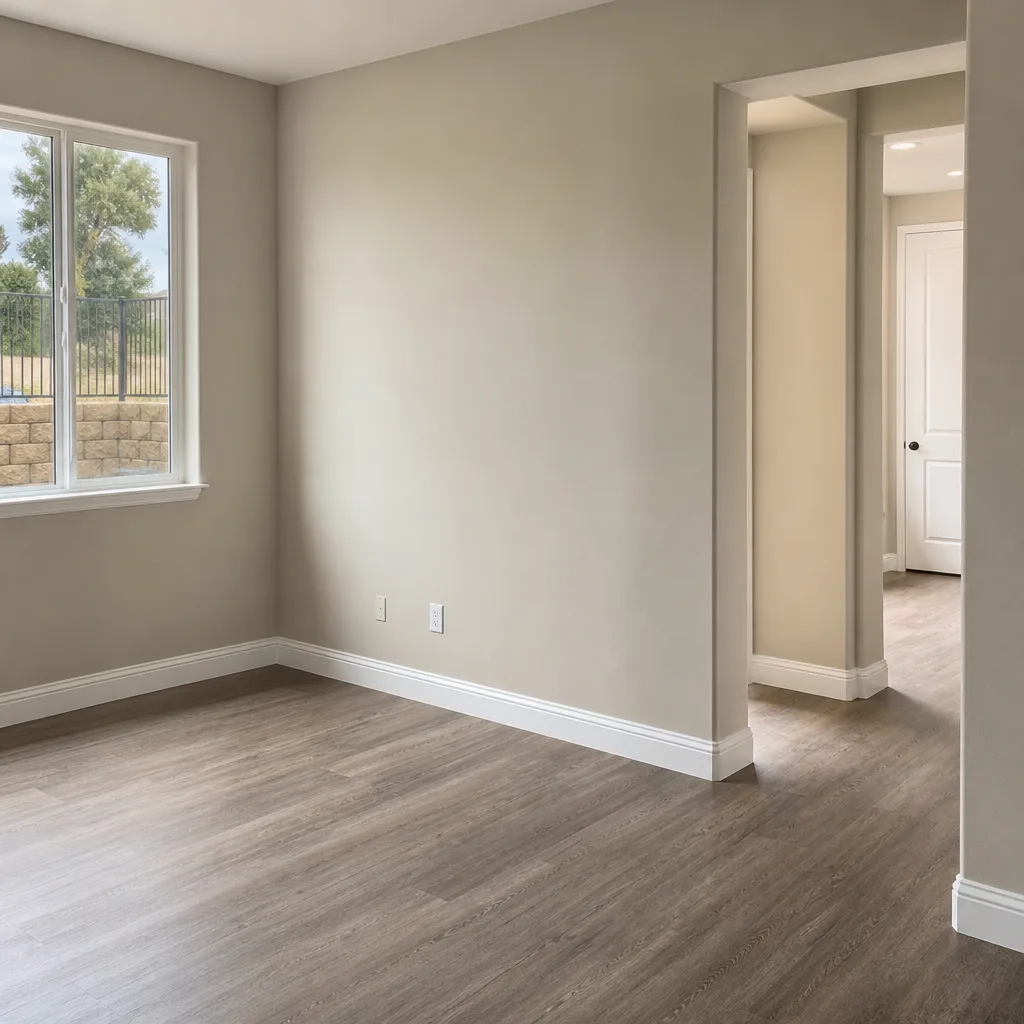
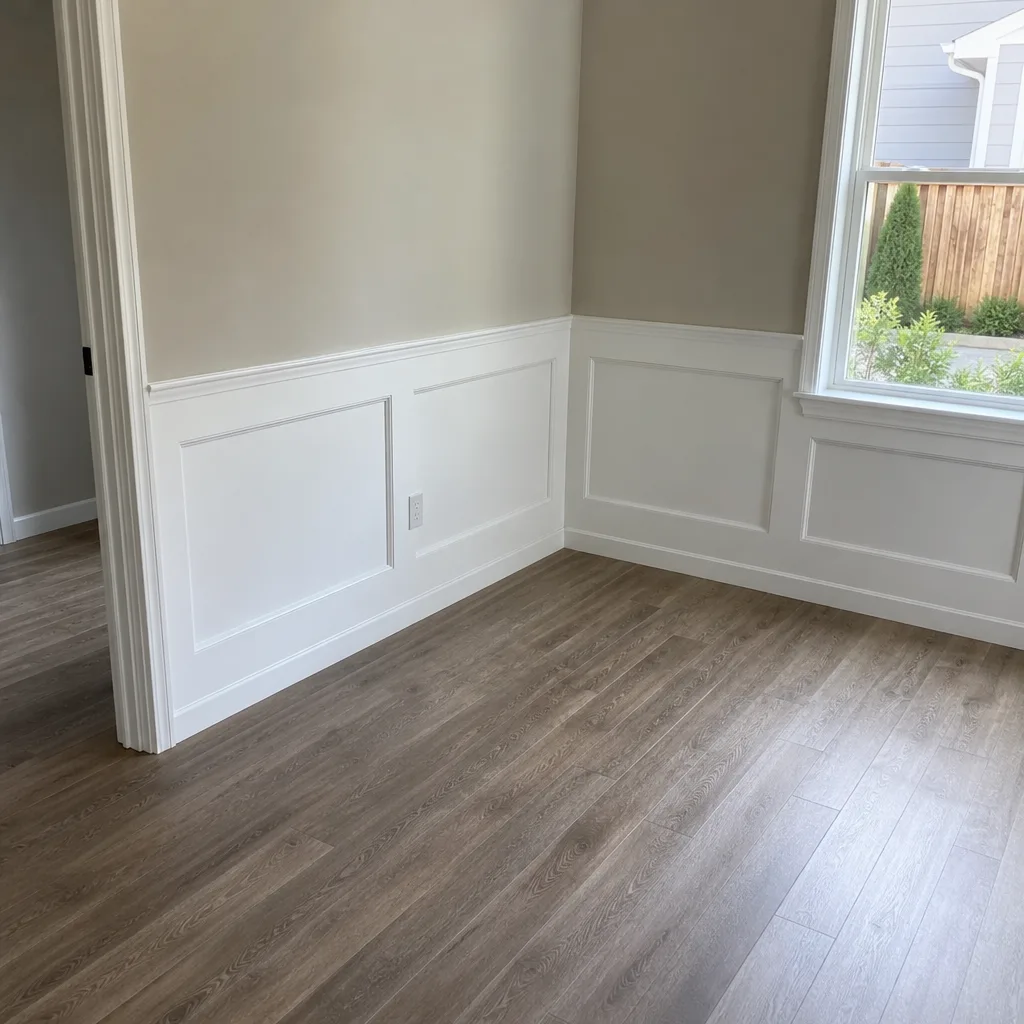 After
After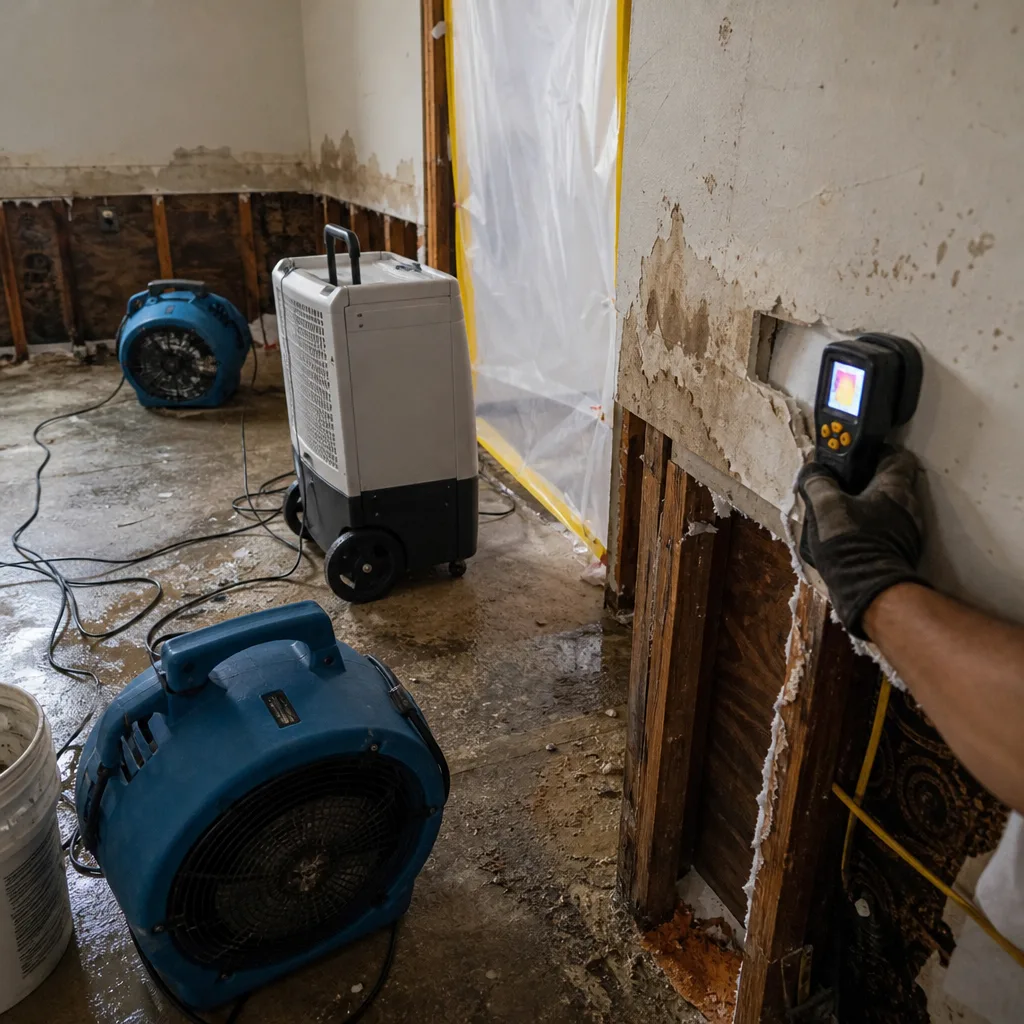 Before
 After
After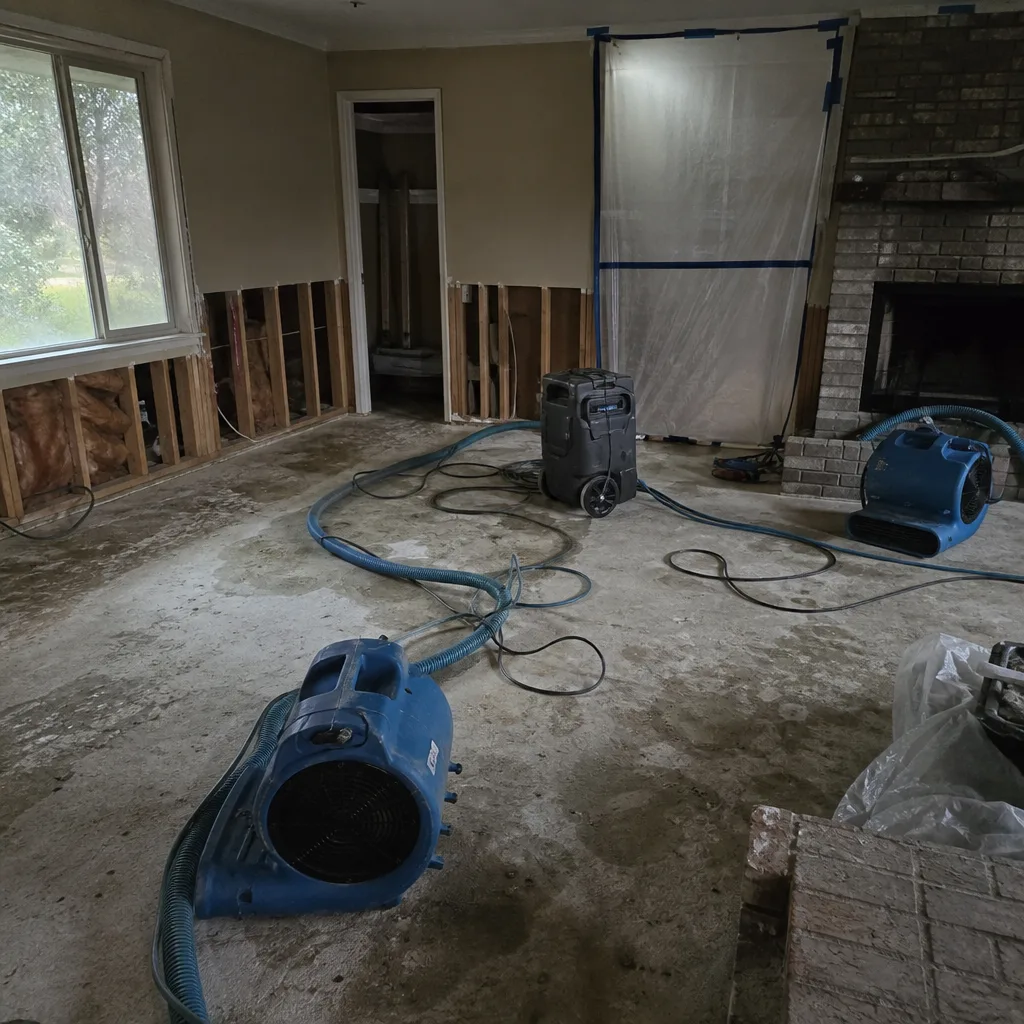 Before
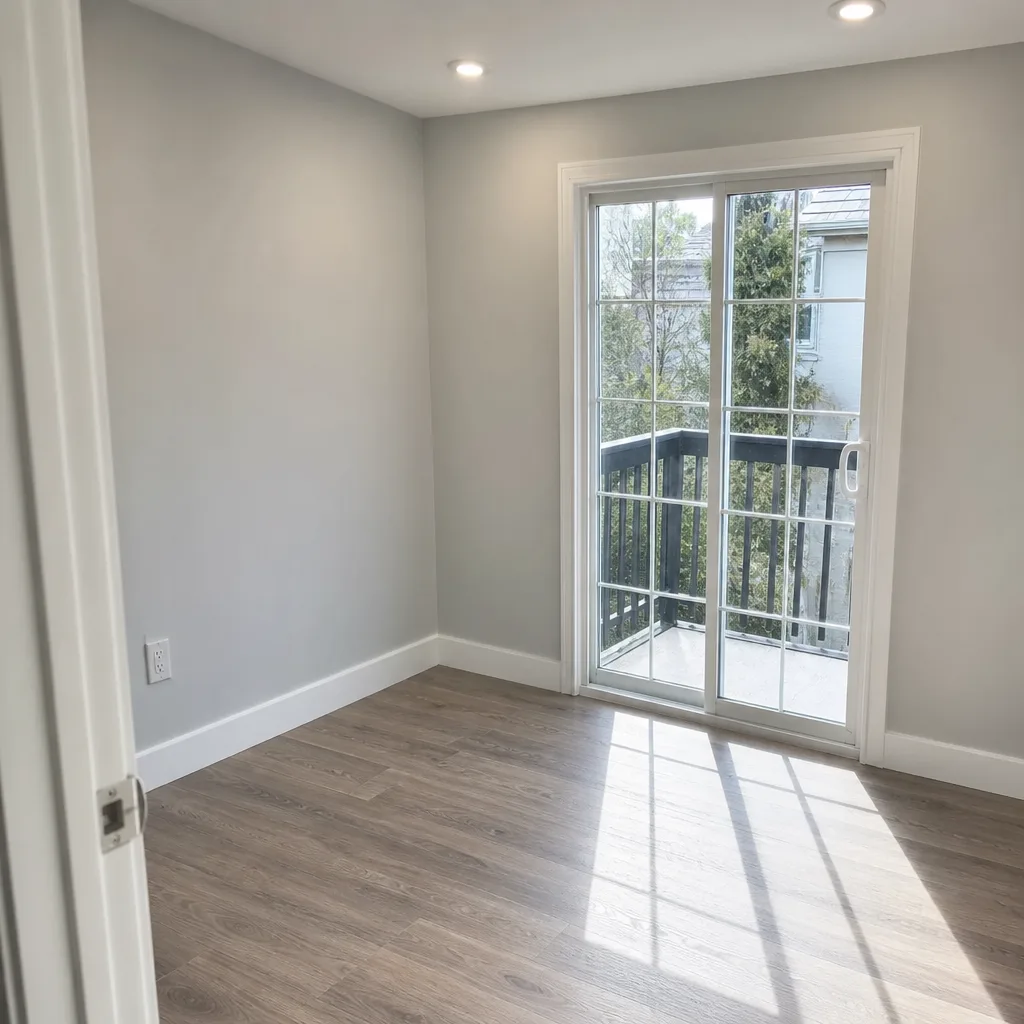 After
After