
 Water damage drying
 Fire & smoke cleanup
 Mold remediation
 Storm response
 Sewage cleanup
 Reconstruction
Free visual inspection and a written scope of work before any mitigation begins - photos, moisture readings, and drying logs go in your claim file
The scope we write is the scope we bill. Anything new gets shown to you, in writing, before we touch it.
Get your free estimateFast, Reliable Storm Damage Restoration Across Mission Hills
Storm damage in Mission Hills hits differently than in the flatlands below. The hillside lots, older foundations, and custom mid-century homes create failure patterns we’ve mapped over years of local work. When a winter storm overwhelms a low-slope roof off Sepulveda Boulevard or sends runoff through a hillside retaining wall, you need a crew that already knows what they’re walking into. Our Storm Damage Restoration teams arrive in Mission Hills with a written scope, a named technician, and the drying equipment to stop damage before it migrates under slabs. Call (661) 347-1348 any hour; a live person answers, not a voicemail.
Why Marsh Water Damage Santa Clarita Is Mission Hills’s Preferred Storm Damage Restoration Company
Mission Hills homeowners don’t call just any restoration company. They call someone who understands that a 1962 ranch on a downslope lot drains differently than a 1980s hillside custom with a flat roof. We do, because we’ve worked these streets. Marsh Water Damage Santa Clarita is part of the Threshold Group family, restoring homes across Mission Hills since 2005. Our technicians hold IICRC, RIA, and IFA credentials, and every one of them is background-checked, identity-verified, and sent to you by name and photo before arrival. They show a photo ID badge at the door, every time.
What that means on a storm loss: a threshold verified technician, often Tobias Reyner leading the crew, maps the moisture, sets containment, and documents everything with photos your adjuster can use directly. We don’t play the game of extracting visible water and calling it dry. We check the slab-to-foundation interface on hillside homes, because that’s where hidden moisture travels in Mission Hills. Reviews from Mission Hills customers consistently mention two things: speed of response and the fact that the crew matched the photo sent beforehand.
Restoration work we handle
Basement Flood Cleanup in Mission Hills
Basement flood cleanup in Mission Hills almost always traces back to hillside drainage, not a broken pipe. When storm runoff channels against a foundation wall or through a sloped lot, water finds the lowest point: a basement, a split-level lower room, or a garage built into the hill. Marsh Water Damage Santa Clarita starts every basement flood cleanup with what we call the slope question. Where is the water coming from, and where is it trying to go? Most homes in this neighborhood sit on graded pads cut into the hillside, so the water doesn’t just pool; it moves under slabs and through block walls. You can’t dry what you never found.
What the Cleanup Involves
Extraction comes first, using truck-mounted and portable units. Then we set containment and map moisture with thermal imaging on walls, flooring, and the slab-to-foundation contact point. Psychrometric readings, which is the trade term for measuring moisture in the air and materials, tell us when the structure is genuinely dry, not just dry on the surface. On a typical Mission Hills basement flood, expect equipment from Dri-Eaz and Phoenix to run for two to five days. We don’t guess. The meters say when we’re done.
Cost Range in Mission Hills
Most residential basement flood cleanups in Mission Hills run between $2,400 and $4,800, depending on square footage, what got wet, and how far water traveled under the slab. A smaller finished basement with carpet and drywall at the low end. A larger space with custom built-ins and hardwood at the top. You get a written price before any work begins, and that number doesn’t change after demolition starts. That’s printed on every work order.
Storm Damage Contractors in Mission Hills
Storm damage contractors in Mission Hills are not all the same. Some extract, dry, and leave. That’s the mistake that costs you next winter. Because in Mission Hills, the storm damage isn’t just the water; it’s the path the water took. A low-slope roof that pooled water all winter eventually fails at the seams, sending Category 2 water through ceilings and into original redwood decking. Marsh Water Damage Santa Clarita serves as both the mitigation crew and the restoration contractor, which means the drainage correction happens before we put the ceiling back, not after the first rain in December.
Structural Drying on Hillside Homes
Hillside foundations shift with soil movement. That’s not a theory here; it’s the daily reality of restoring homes along the Sepulveda corridor and the ridgelines near the 405. When storm water migrates under a slab, it doesn’t dry on its own. We place drying mats, injection systems, or dehumidifiers based on the moisture map, not a timer. On a mid-century modern off Sepulveda Boulevard, our crew responded after a winter storm overwhelmed the low-slope roof, sending water through the ceiling and into the original redwood decking. We set containment, mapped moisture with thermal imaging, and used Dri-Eaz dehumidifiers and air movers to hit structural drying targets within four days, preserving the custom beam ceiling.
Rebuilding After the Dry-Out
Once the structure hits dry standard, we turn to the actual repair. This is where the craftsmanship matters in Mission Hills. Original redwood decking, custom plaster, built-in cabinetry, beam ceilings. These aren’t materials you swap out from a catalog. Our team cuts out damaged finishes cleanly, documents for the adjuster, and repairs with materials that match the period of the home. That’s not a marketing claim; it’s the only way to avoid a patchwork remodel in a 1970s custom. The 365-Day Done Right Promise covers the repair for a full year. If something’s not right, we make it right, and a second visit is automatic, not something you argue for.
Trusted Brands We Service in Mission Hills
Mission Hills storm losses put specific equipment demands on a restoration company. That’s why we run Dri-Eaz dehumidifiers, Phoenix air movers, XPOWER air scrubbers, and B-Air dryers, with Injectidry systems for slab and cavity drying on hillside basements. These aren’t consumer-grade tools. They’re the same platforms used on large commercial losses, sized down for residential rep work. Stocking filters, hoses, and specific parts for these brands means we don’t lose a day waiting on a supply house in Van Nuys when your Mission Hills living room is open to the studs. Fast turnaround matters on a wet claim, and our parts cache keeps us moving.
See the difference
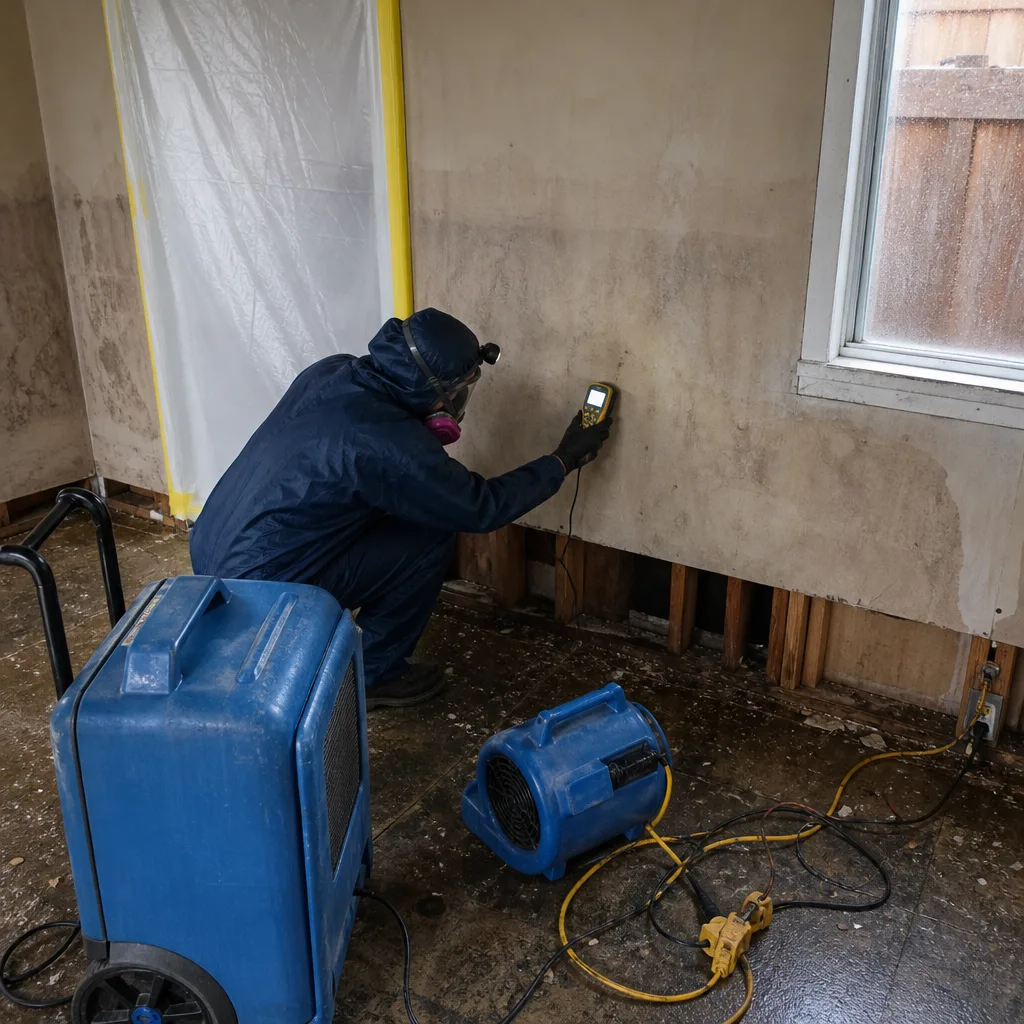 Before
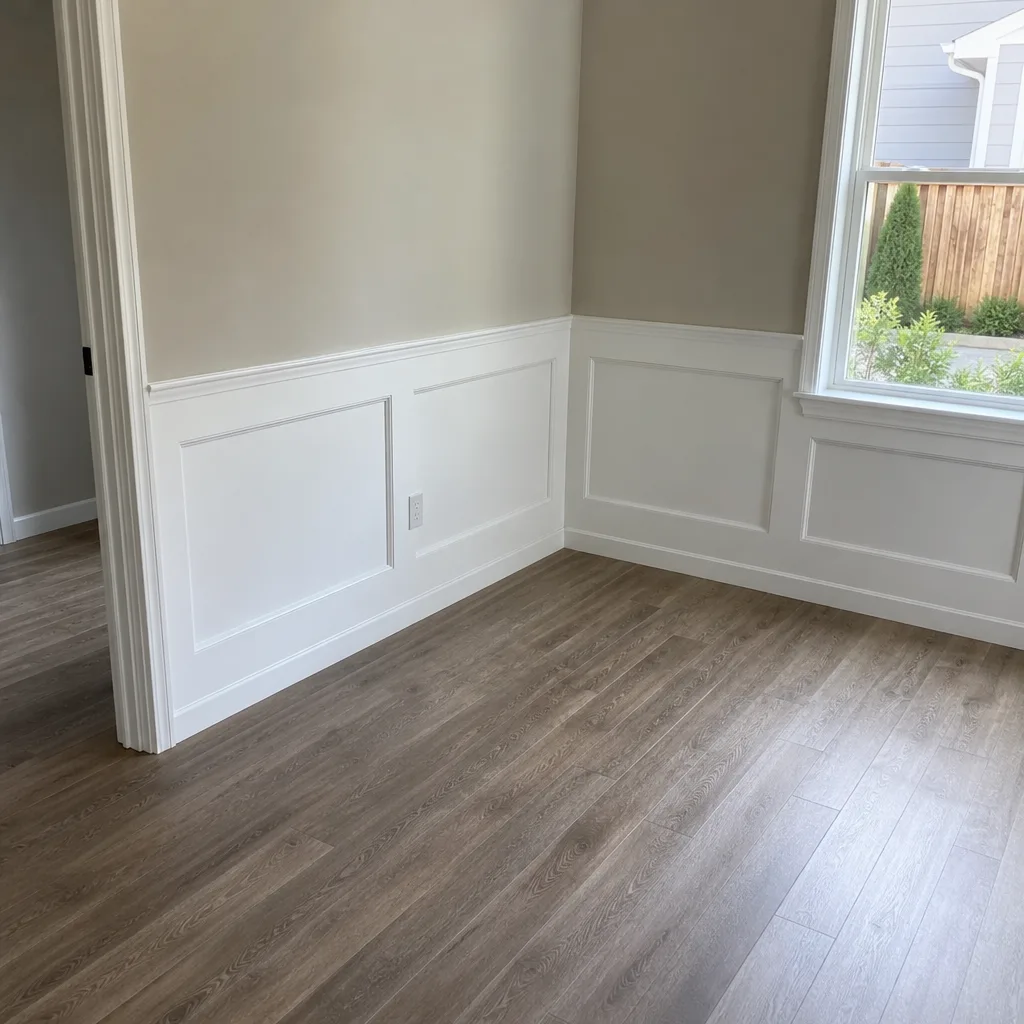 After
After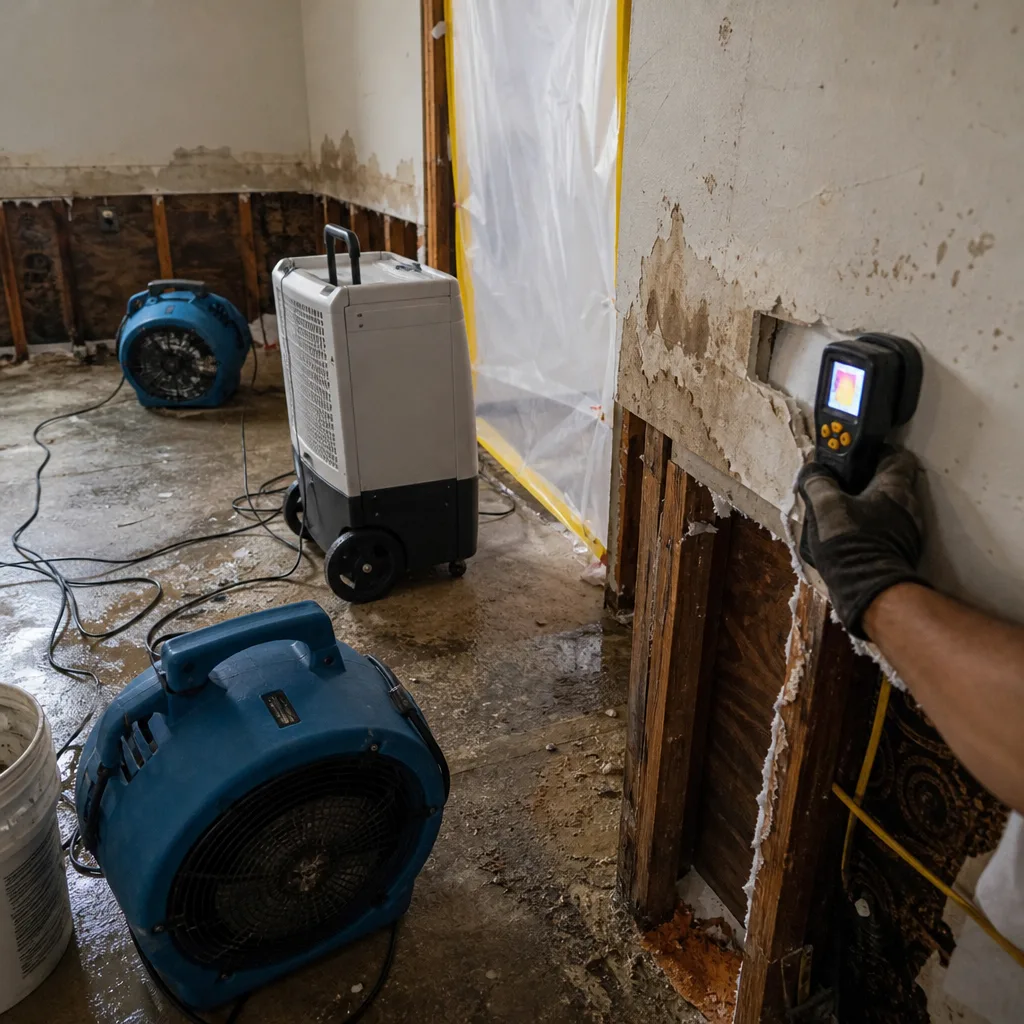 Before
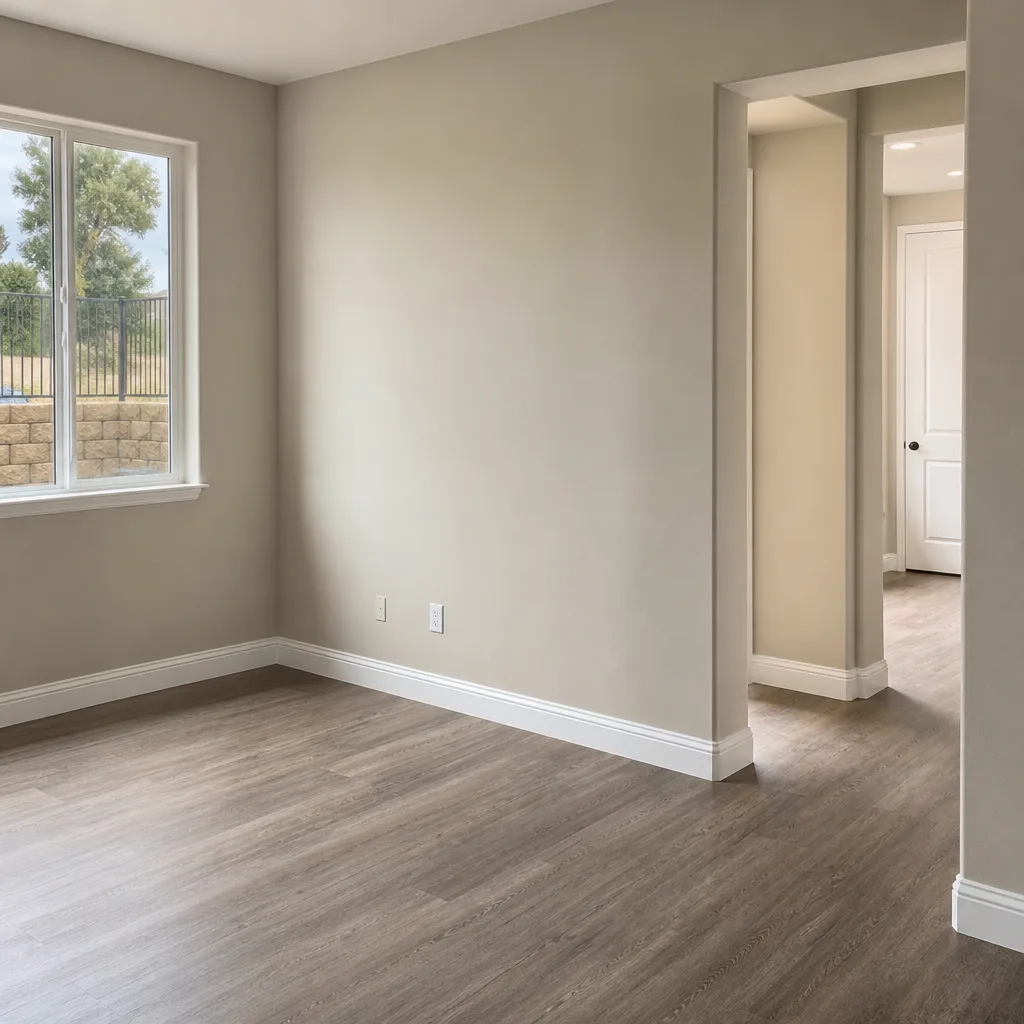 After
After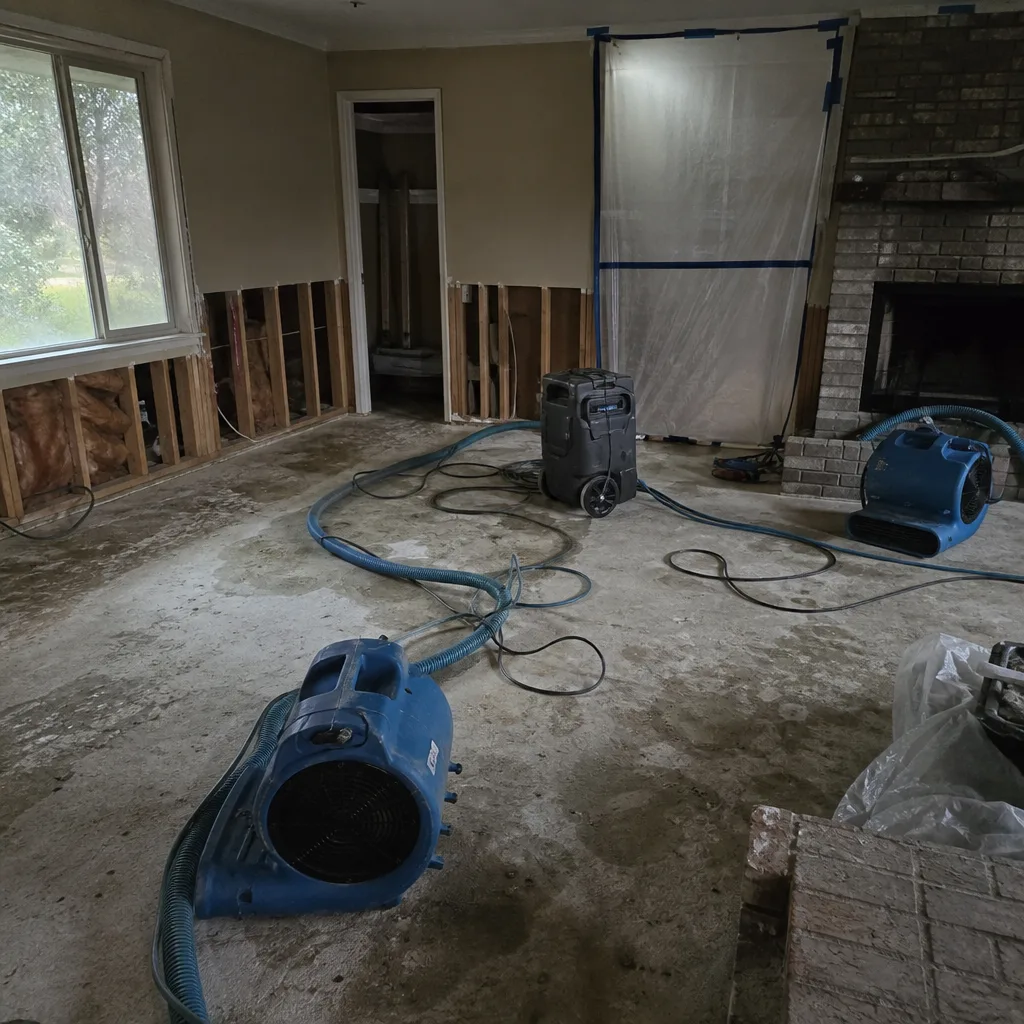 Before
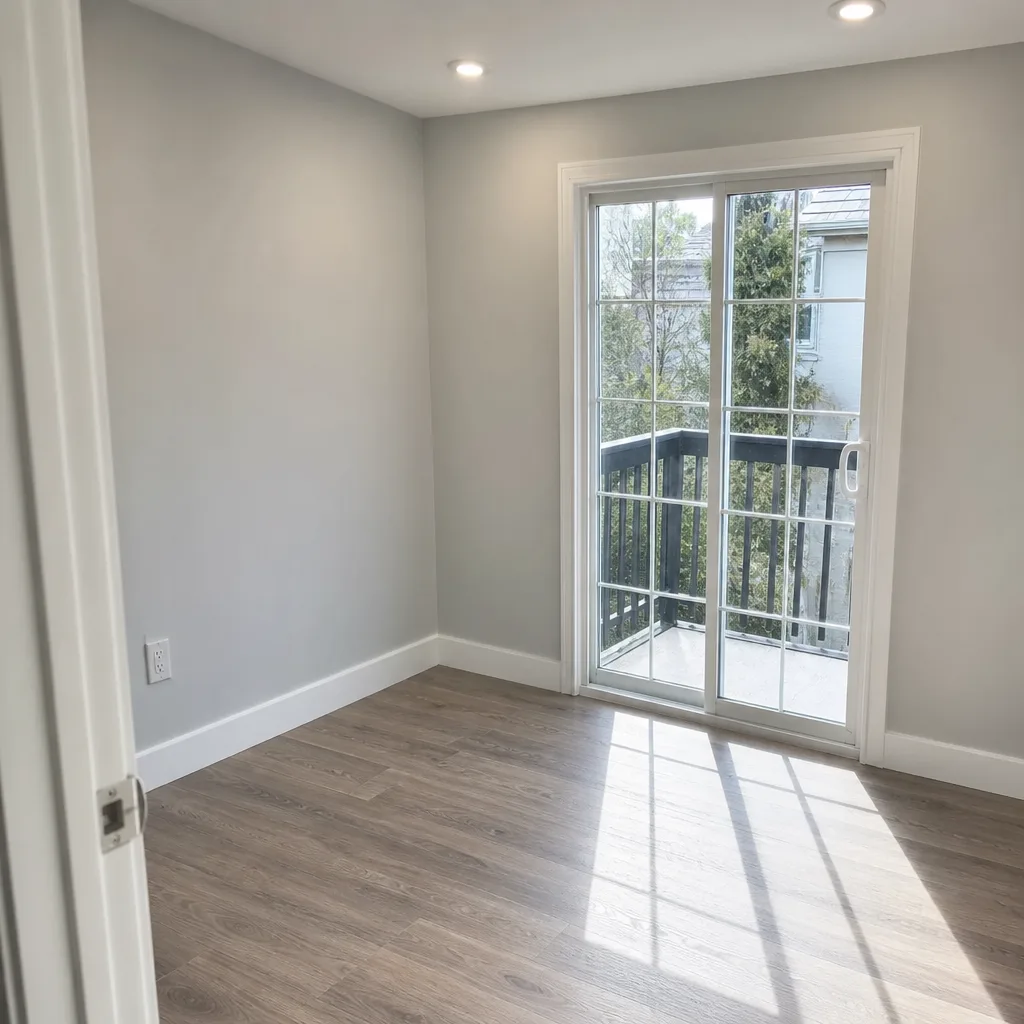 After
AfterCommon Storm Damage Restoration Problems We See in Mission Hills Homes
- Water migrating under slabs and through retaining walls. Hillside lots channel runoff along foundation lines. Most restorers extract the visible water but never map the slab-to-foundation interface, leaving moisture that warps custom hardwood floors weeks later.
- Plaster cracking from aggressive drying. 1950s and 1960s ranches in Mission Hills often have original plaster walls. Over-drying those surfaces causes cracking and paint failure that wouldn’t happen in newer drywall homes. We adjust drying targets for the material, not just the moisture reading.
- Low-slope roofs that re-pool after every storm. The flat and low-slope roofs common in mid-century Mission Hills homes pond water during winter rains. If drainage isn’t corrected during mitigation, ceiling stains return every season, in the same spots.
- Category 3 storm runoff in hillside basements. Storm water that picks up soil, debris, and whatever it crosses before entering a basement is contaminated, not just wet. Cleaning that properly means more than mopping; it means anti-microbial treatment, containment, and verification.
Pricing for Storm Damage Restoration in Mission Hills, CA
We Also Serve Cities Near Mission Hills
Beyond Mission Hills, our storm damage restoration teams cover the surrounding San Fernando Valley corridors, including Storm Damage Restoration work in San Fernando, Granada Hills, Panorama City, and Sylmar. The same Threshold Verified standard applies everywhere: background-checked techs, written pricing, and the 365-Day Done Right Promise printed on the work order. If your home in any of these neighboring cities took water, call (661) 347-1348 and ask for Tobias Reyner by name.
Serving Mission Hills, CA - Our Local Coverage Area
We’re based in the Mission Hills area and know this community well - learn more about our Mold Remediation in Mission Hills. Use the map below to see our service coverage - if you’re nearby, we can almost certainly help.
FAQs About Storm Damage Restoration in Mission Hills
How does storm damage restoration account for Mission Hills hillside foundations that shift with soil movement?
We map moisture at the slab-to-foundation contact point and place drying systems at the interface, not just on the visible wet surface. Hillside foundations move, so we also document pre-existing cracks with photos and thermal imaging before drying begins. That protects you from a claim that we caused a crack the hillside made years ago, and it means our drying plan follows the actual water path through the structure.
What is the 24 – 48 hour mold clock for wet drywall after a Mission Hills roof leak?
Mold can begin to colonize wet drywall within 24 to 48 hours in Mission Hills after a roof leak, especially when attic temperatures rise and moisture sits in the framing. The clock starts the moment the water enters, not when you notice the ceiling stain. If the leak happened Tuesday and you saw the stain Thursday, the drywall is already past the safe window. Call (661) 347-1348 and we’ll get containment set the same day, because the drying clock doesn’t wait for the weekend.
Why do Mission Hills low-slope roofs cause repeated storm damage even after restoration?
Because the roof still pools water after every rain. If mitigation dries the ceilings and replaces the sheetrock but doesn’t correct the drainage on a low-slope roof, the same leak returns with the first heavy storm of the next season. When we restore a Mission Hills home, we check the roof’s drainage path and factor it into the scope before rebuilding finishes. That’s the difference between a dry-out and an actual fix.
Can hard-to-match mid-century materials like redwood decking be restored instead of replaced after storm water sits?
Yes, often. Redwood decking, period plaster, and custom wood finishes can frequently be saved if drying begins promptly and the drying plan is matched to the material, not blasted at commercial intensity. We’ve restored original redwood decking in Mission Hills mid-century homes by using controlled drying and moisture mapping rather than ripping it out. The decision is made material by material, in writing, so you’re not agreeing to demolition you didn’t need.
How do you handle Category 3 water from storm runoff that enters a Mission Hills hillside basement?
Category 3 water, meaning water contaminated with soil, debris, and whatever it crossed before entering, requires more than extraction. We set containment so airborne particles don’t spread, remove contaminated materials, and apply anti-microbial treatment before drying starts. Every affected surface is cleaned and verified, not just the floor. Call (661) 347-1348 for an exact quote; estimates are free and the number is written before we start.
Written by Tobias Reyner, Owner at Marsh Water Damage Santa Clarita, serving Mission Hills and the surrounding San Fernando Valley since 2005.