
Last updated October 16, 2026
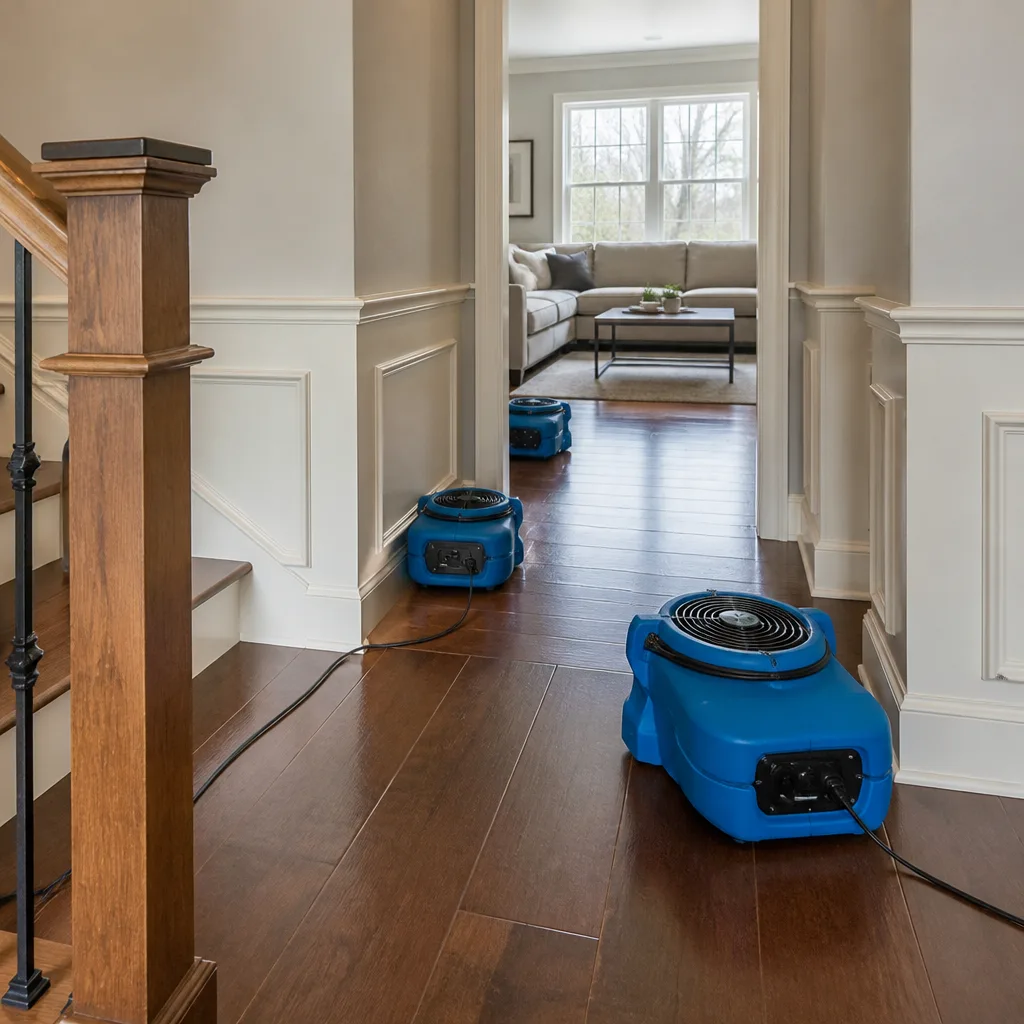 Water damage drying
 Fire & smoke cleanup
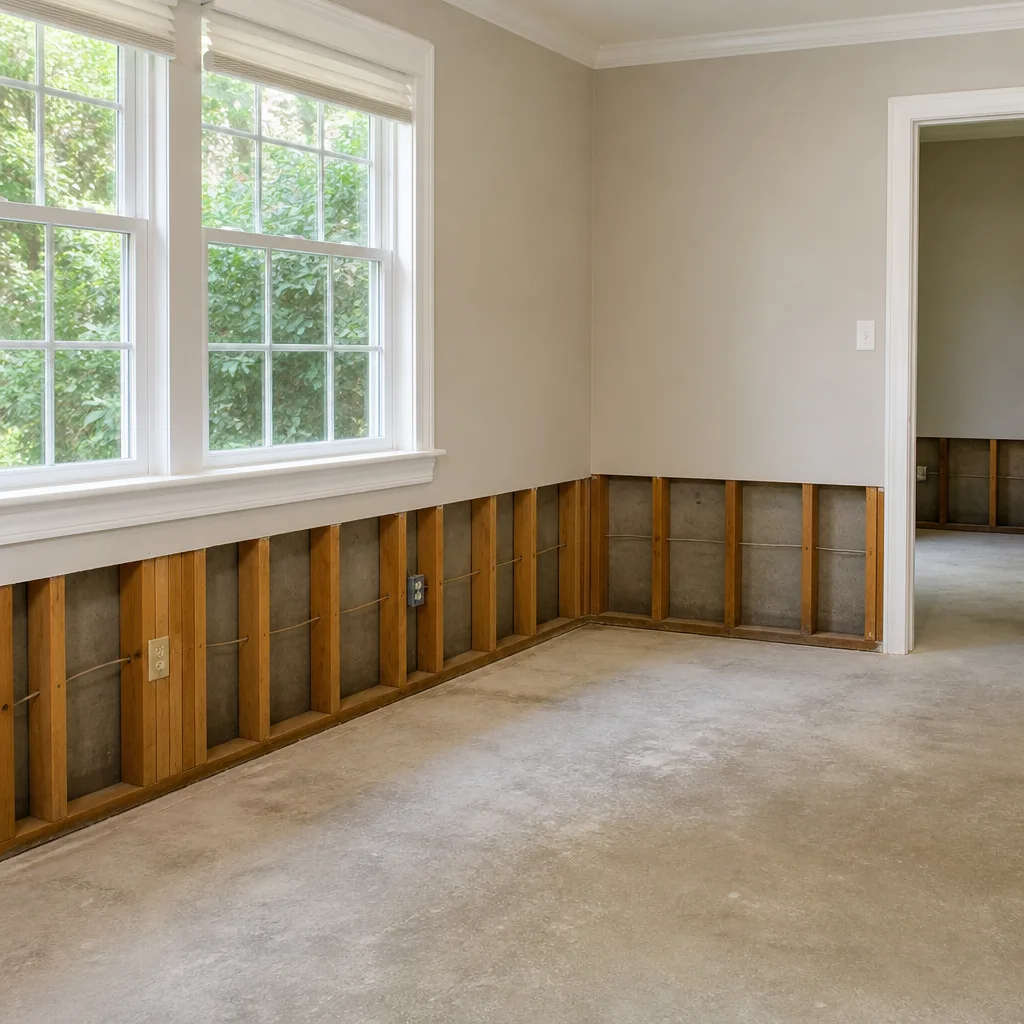 Mold remediation
 Storm response
 Sewage cleanup
 Reconstruction
Free visual inspection and a written scope of work before any mitigation begins - photos, moisture readings, and drying logs go in your claim file
The scope we write is the scope we bill. Anything new gets shown to you, in writing, before we touch it.
Get your free estimateDamage Restoration Permits, Codes & Inspections in CA: What You Need to Know
Unpermitted drywall replacement after water damage is the single most common reason California home sales collapse at the inspection stage. A buyer’s inspector flags the work, the lender freezes the loan, and the seller is left paying for a second remediation years after the original event. In Santa Clarita, where homes move fast and buyers are increasingly inspection-savvy, this problem shows up more often than most people realize. This guide covers exactly which restoration tasks require a permit in Los Angeles County, which ones don’t, how the inspection process works for Santa Clarita properties, and what to do if you discover unpermitted work from a previous owner. For related reading, see our Damage Restoration Warning Signs: A Santa Clarita Homeowner’s Reference Guide.
Quick Answer
In California, permits for damage restoration are legally issued to the property owner, not the contractor, which means you remain responsible for unpermitted work even if your contractor told you a permit wasn’t needed. Under the Los Angeles County Building Code, permits are required for structural drywall replacement, electrical work in water-affected areas, and HVAC ductwork replacement, while equipment-only drying and surface cleaning do not require permits. To verify a permit was actually pulled, check the LA County Building and Safety permit lookup tool or the Contractors State License Board (CSLB) database, both of which are publicly accessible and take under five minutes.
Restoration work we handle
Table of Contents
- Who Legally Owns the Permit in California
- Which Restoration Tasks Trigger a Permit in LA County
- Which Restoration Tasks Do Not Require a Permit
- How the LA County Permit Process Works for Santa Clarita Properties
- The Insurance Angle: Permits as a Condition of Claim Payment
- Unpermitted Work from a Previous Owner: What to Do
- How to Verify Your Contractor Actually Pulled the Permit
- Common Mistakes to Avoid
- When to Call a Professional
- Frequently Asked Questions
Who Legally Owns the Permit in California
Here’s the thing most homeowners get wrong: the building permit for restoration work belongs to the property owner, not the contractor. The Los Angeles County Building Code, like the California Building Standards Code that underlies it, issues permits to the person who owns the property or their authorized agent. When a restoration contractor says “I’ll handle the permits,” what technically happens is that they act as your agent in pulling a permit that carries your name and your legal responsibility. If the work is later found to be unpermitted, the county comes after you, not the contractor who told you it wasn’t necessary.
This distinction matters because it flips the common assumption. Homeowners often believe permit compliance is a contractor problem. It isn’t. Under California law, the property owner is the party of record on the permit, the party named in any enforcement action, and the party who must disclose unpermitted work when selling the home. We’ve seen this play out in Santa Clarita neighborhoods like Valencia and Saugus, where sellers have been forced to open walls a second time because the original restoration work was never permitted and the buyer’s lender refused to fund the purchase. The cost of retroactive permitting and re-inspection often exceeds what the original permit would have cost in the first place.
What this means practically: if your contractor says a permit isn’t needed, you have the right and the responsibility to verify that claim yourself. The LA County Building and Safety division maintains a public permit lookup portal that takes about three minutes to search. You can check whether a permit was pulled for your address, who holds it, and what inspections are recorded. If nothing shows up and your contractor insists one was pulled, that’s a red flag worth resolving before work begins.
Which Restoration Tasks Trigger a Permit in LA County
Not all restoration work requires a permit. The line is drawn by what gets disturbed, not by how wet the material got. Under the Los Angeles County Building Code, the following restoration tasks require a permit when they are part of a water, mold, or storm damage response:
Structural Drywall Replacement
Replacing drywall that serves as a structural shear panel or fire-rated assembly requires a permit. In practical terms, if the damaged drywall is on an exterior wall, a garage-adjacent wall, or any wall with shear bracing behind it, you need a permit. The county also requires a permit when more than a certain square footage of interior drywall is removed, because the wall cavity becomes subject to inspection before it’s closed back up. This is the category that catches most Santa Clarita homeowners off guard, because water damage frequently affects exterior-facing walls where window leaks and stucco failures are already common.
Electrical Work in Water-Affected Areas
Any replacement of wiring, outlets, switches, or fixtures in areas that were water-damaged requires an electrical permit. Water and electricity don’t mix, and the code requires that affected electrical components be inspected after replacement. This includes situations where the wiring itself wasn’t obviously damaged but the junction box, outlet housing, or fixture was submerged or exposed to sustained moisture. In Santa Clarita’s older track homes in Canyon Country and Newhall, where original wiring can date back decades, this is a frequent trigger.
HVAC Ductwork Replacement
Replacing ductwork that runs through water-damaged areas requires a mechanical permit. If water entered the duct system, whether from a roof leak or a slab leak, the insulation around the ducts often needs to be removed and replaced, and that work falls under mechanical permitting. The county inspects the new duct installation before it’s sealed into the wall or ceiling cavity.
Structural Framing Repairs
Any repair to framing members, floor joists, roof trusses, or sill plates that involves cutting out damaged wood and sistering or replacing structural lumber requires a building permit. This is non-negotiable. Structural work without a permit is the fastest way to end up with a home that can’t be sold or refinanced until it’s corrected.
Which Restoration Tasks Do Not Require a Permit
On the other side of the line, a substantial portion of professional water damage restoration work is permit-exempt. This is where a lot of confusion comes from, because a contractor may correctly say “no permit needed” for the drying phase and then incorrectly extend that answer to the rebuild phase. If you’re weighing whether to handle repairs yourself, our DIY vs Professional Damage Restoration: The Santa Clarita Homeowner’s Decision Guide can help you decide. Here’s what does not require a permit under LA County rules:
- Equipment-only drying. Placing air movers, dehumidifiers, and injection drying systems from manufacturers like B-Air and Injectidry to dry out wet materials does not require a permit, because nothing is being altered. The building envelope is not being opened or modified.
- Surface cleaning and antimicrobial application. Cleaning affected surfaces, applying antimicrobial treatments, and scrubbing mold-affected areas does not require a permit when no structural materials are removed.
- Carpet and pad removal. Pulling up wet carpet and pad, disposing of it, and cleaning the subfloor does not require a permit.
- Baseboard and trim removal. Removing non-structural baseboards and trim to allow wall cavities to dry does not require a permit, though reinstalling them may if the wall behind them required inspection.
- Content cleaning and pack-out. Cleaning, drying, and storing personal property does not require a permit.
- Plumbing repair. Fixing the pipe that caused the leak generally falls under emergency repair provisions and does not require a permit, though a plumbing permit may be needed if the repair involves re-piping or significant modification to the waste or supply system.
The practical takeaway: drying and cleaning almost never require permits. Rebuilding and replacing often do. If your restoration contractor is doing equipment-only drying and says no permit is needed, they’re likely correct. If the same contractor starts cutting out drywall or replacing electrical and still says no permit is needed, that’s when you should verify independently.
How the LA County Permit Process Works for Santa Clarita Properties
Santa Clarita properties fall under the jurisdiction of the Los Angeles County Department of Building and Safety, which operates a permitting process that’s different from neighboring municipalities. The city of Santa Clarita does not issue its own building permits for residential work; instead, county regulations apply. Here’s the step-by-step flow for a typical restoration-related permit on a Santa Clarita home:
- Permit application. The contractor or homeowner submits an application to LA County Building and Safety, typically online through the ePermit portal. The application includes a description of the work, the address, and the estimated valuation. Permit fees are calculated based on valuation, and for most residential restoration jobs, the fee falls in the $200 to $600 range depending on scope.
- Plan review (if needed). Most restoration work does not require full architectural plans, but structural repairs or significant electrical work may require a simple drawing and a plan check. For routine drywall replacement and electrical repair, the permit is often issued over the counter without plan review.
- Permit issuance. Once the fee is paid, the permit is issued in the property owner’s name. The permit includes a list of required inspections that must be called in at specific points in the work.
- Rough inspection. For work that opens walls, the inspector checks the wall cavity before it’s closed. This confirms that the framing, electrical, and any insulation or moisture barrier are correct before drywall goes back up. Missing this inspection means reopening the wall later.
- Final inspection. After the work is complete, a final inspection verifies everything matches the approved scope. The inspector signs off, and a final sign-off record is entered into the county system.
- Documentation. The homeowner receives a copy of the final inspection record. This is the document that matters when you sell, refinance, or file an insurance claim that requires proof of permitted work. If you don’t receive it, request it. It should show the permit number, the inspection dates, and the sign-off.
Typical timeline for a straightforward restoration permit in Santa Clarita: 3 to 7 business days from application to issuance for over-the-counter permits, then inspections scheduled within 1 to 3 business days of being called in. The process is not slow, but it does require someone to actually do it. The homeowners who end up in trouble are usually the ones whose contractor never submitted the application in the first place.
The Insurance Angle: Permits as a Condition of Claim Payment
A lot of homeowners assume their insurance company only cares about the repair being complete, not about whether it was permitted. That assumption is wrong and getting wronger. Many California homeowner policies now include language that requires repairs to comply with all applicable building codes, and some specifically state that permitted work is a condition of claim payment. What that means practically: if your insurer pays for water damage restoration and later discovers the work was unpermitted, they may have grounds to deny future claims related to that work or to reduce the payment on the current claim.
Photo documentation matters here as much as permits do. Insurance adjusters increasingly ask for photographic proof of the damage before work begins, of the work in progress, and of the completed repair. A restoration contractor who provides photo-documented assessments gives you an evidence trail that supports your claim and protects you if the insurer disputes the scope. This is one of the reasons we include documentation as a standard part of every job, not as an add-on.
There’s also a more subtle risk: contractors who skip permits sometimes also skip proper documentation. They do the work, it looks fine, the insurance pays, and everyone moves on. Then three years later, a new leak appears in the same wall. The insurer sends an adjuster who sees evidence of prior unpermitted work and flags the claim for review. We’ve seen this scenario play out in Santa Clarita more times than homeowners would believe. The lesson is simple: permitted work protects your insurance standing as much as it protects your home.
Unpermitted Work from a Previous Owner: What to Do
Discovering that a previous owner had unpermitted restoration work done is not a dead end, but it does require prompt action. The route is a retroactive permit, sometimes called an “as-built” permit or a permit after the fact. LA County Building and Safety has a process for this, and it’s more common than most people expect.
The retroactive permit process works like this:
- Document what was done. Gather any records you have about the prior restoration, including insurance paperwork, contractor invoices, photos, and emails. If the previous owner disclosed the work during the sale, review the disclosure documents. If you only discovered the work because your own contractor opened a wall and found damage that wasn’t properly repaired, take photos immediately.
- Determine what requires permitting. Not all prior work needs a retroactive permit. If the previous owner did equipment-only drying and surface cleaning, there’s nothing to permit. If they replaced drywall, electrical, or ductwork without a permit, that’s the work that needs to be brought into compliance.
- File the permit application. The retroactive application follows the same process as a regular permit, with one difference: the work must be inspected in place. This sometimes means opening a portion of the wall or ceiling so the inspector can verify what’s inside. The cost is typically the same permit fee plus any applicable late fees or penalties.
- Complete the inspection. The inspector verifies the work meets current code. If it doesn’t, corrections will be required before sign-off.
- Obtain the final sign-off. Once signed off, the retroactive permit is the same as if the work had been permitted originally. You can sell the home, refinance, and file insurance claims without the unpermitted-work cloud hanging over the property.
If you’re currently dealing with a water damage claim and discover previous unpermitted work in the affected area, the situation gets more complicated. Your insurer may question whether the current damage is exacerbated by the prior work. This is the point at which having a restoration contractor who understands both the permit process and the insurance process becomes essential. The two systems interact, and a contractor who only knows drying and demolition won’t be able to guide you through the combined maze.
How to Verify Your Contractor Actually Pulled the Permit
There are two public tools that make permit verification straightforward, and neither requires any special access or login. Knowing how to use them takes the word of a contractor out of the equation.
LA County Building and Safety Permit Lookup
The county maintains an online permit search portal where you can enter your address and see every building permit issued for that property, including the permit number, issue date, status, and inspection history. If your contractor told you a permit was pulled and nothing appears in this system for your address, the permit was not pulled. There’s no legitimate reason a permit would be missing from the county’s database while work is underway.
CSLB License and Permit Verification
The Contractors State License Board maintains a public lookup where you can verify that your contractor holds an active license and check their license status. While the CSLB doesn’t track individual permits, it does show whether the contractor is licensed in the classification required for the work they’re doing. For restoration work, the relevant classifications are typically C-36 (plumbing), C-54 (framing and drywall), and B (general building), depending on the scope. A contractor who is not licensed in the required classification cannot legally pull a permit.
The check takes three minutes. If a contractor tells you a permit was pulled and won’t provide the permit number, that’s a hard stop. Ask for the number. Verify it. If they become evasive, consider that your answer. In our experience at Marsh Water Damage Santa Clarita, every legitimate contractor in the Santa Clarita Valley is willing to provide a permit number and the homeowner’s copy of the permit documentation. It’s standard practice. Evasion is not.
Common Mistakes to Avoid
- Believing the contractor without verification. The most expensive mistake is also the most common. A contractor says no permit is needed, you believe them, and three years later the unpermitted work surfaces during a home sale. Verify independently, every time.
- Confusing the drying phase with the rebuild phase. Equipment-only drying doesn’t need a permit, and a contractor who tells you that is right. But the same contractor may then move into drywall replacement and electrical work without clarifying that the permit situation has changed. The phases are different, and so are the rules.
- Paying in full before the final inspection. If you pay a contractor entirely before the permit is signed off, you lose your leverage to require completion. Structure payment so the final portion is released only after the final inspection record is in your hands.
- Assuming insurance handles permits. Insurance may pay for the cost of permits as part of the claim, but the insurance company doesn’t pull the permit. That’s on the property owner or the contractor acting as their agent. If the contractor doesn’t do it, no one else will.
- Skipping permits to save time. The time saved by skipping a permit almost never outweighs the downstream cost. In Santa Clarita’s competitive housing market, unpermitted work is routinely flagged by buyer’s inspectors, and the cost to correct it after the fact exceeds the original permit cost by a wide margin.
- Not requesting the final sign-off record. A permit that was pulled but never signed off is almost as bad as no permit at all. The final inspection record is the document that proves the work was done to code. Request a copy from your contractor and keep it with your property records.
- Hiring a contractor based on price alone. The cheapest contractor is sometimes the one who skips permits because permits cost money and time. You’re not saving the permit cost; you’re deferring it with interest in the form of re-inspection, retroactive permitting fees, and potential insurance complications.
When to Call a Professional
If you’re standing in standing water, dealing with a sewage backup, or watching water spread through your drywall, the time for permit research is after you’ve stopped the active damage. Call a restoration company that handles the emergency response first, then handles the permit and documentation process as part of the work. For Santa Clarita homeowners, Marsh Water Damage Santa Clarita offers free estimates, a written price before any work starts, and a live person who answers the phone 24/7 at (661) 347-1348. Every technician is background-checked and photo-badged, so you know exactly who’s coming before the knock. If you’ve discovered unpermitted work from a previous owner or need help navigating a current claim that involves prior restoration, call us. The estimate is free, and the walk-through will tell you exactly what needs permitting, what doesn’t, and what the path to compliance looks like.
Frequently Asked Questions
Most residential restoration permits in Santa Clarita cost between $200 and $600, which covers the building permit fee based on the valuation of the work. Electrical and mechanical permits are typically separate and add $100 to $300 each depending on the scope. The total for a typical water damage rebuild with drywall replacement and electrical work usually falls in the $400 to $900 range. Call (661) 347-1348 and we can walk you through the specific permit fees for your scope.
Most homeowners insurance policies that cover the restoration work itself will also cover the reasonable cost of required permits, since permits are part of bringing the home back to compliance. The key is that the permit must actually be pulled; insurance companies won’t reimburse permit costs for work that was done without one. Request the permit fee be itemized in your contractor’s estimate so it’s clearly documented for your adjuster.
At Marsh Water Damage Santa Clarita, a live person answers the phone 24/7, and our crews respond to active water intrusion in Santa Clarita and the surrounding valley with same-day dispatch. For storms and sewage backups, time matters because the damage compounds every hour. Call (661) 347-1348 and you’ll speak to a person, not a voicemail.
If the drywall is on an exterior wall, a shear wall, or a fire-rated assembly like a garage-adjacent wall, yes, you need a permit even for a few sheets. Interior non-structural drywall replacement is borderline: LA County’s practical enforcement focuses on structural, electrical, and mechanical work, but if the wall cavity needs inspection before closing, a permit is the way to document compliance. When in doubt, check with the county or with a licensed restoration contractor who deals with Santa Clarita permits regularly.
Your restoration contractor should coordinate directly with your insurance adjuster, providing photo documentation, moisture readings, and a written scope of work that matches what the adjuster needs to approve the claim. At Marsh Water Damage Santa Clarita, we document everything photographically from the first visit and interface with adjusters on every job. You don’t need to be the middleman translating between your contractor and your insurance company.
Disclose the prior work to your adjuster and contractor upfront. Attempting to hide it will create more problems than it solves. Your contractor can evaluate whether the prior unpermitted work needs to be retroactively permitted as part of the current restoration, and your adjuster can factor that into the claim. This is a situation where having a restoration contractor who understands both permit and insurance processes saves you from being caught between two systems that don’t always communicate well.
The Bottom Line
In California, the permit for restoration work is issued in your name, not your contractor’s, and the legal responsibility for unpermitted work stays with you regardless of what anyone told you. Know which tasks trigger permits: structural drywall, electrical in wet areas, and ductwork replacement. Know which don’t: equipment drying, surface cleaning, and content packing. Verify every permit claim in the public LA County system. If prior work was unpermitted, the retroactive permit process exists for exactly this situation. And if you’re in Santa Clarita, a free walk-through from a contractor who does this work every day is the fastest way to know exactly where you stand. For more guides & resources on protecting your home, visit our blog.
Written by Tobias Reyner, Owner at Marsh Water Damage Santa Clarita, serving Santa Clarita since 2005.
See the difference
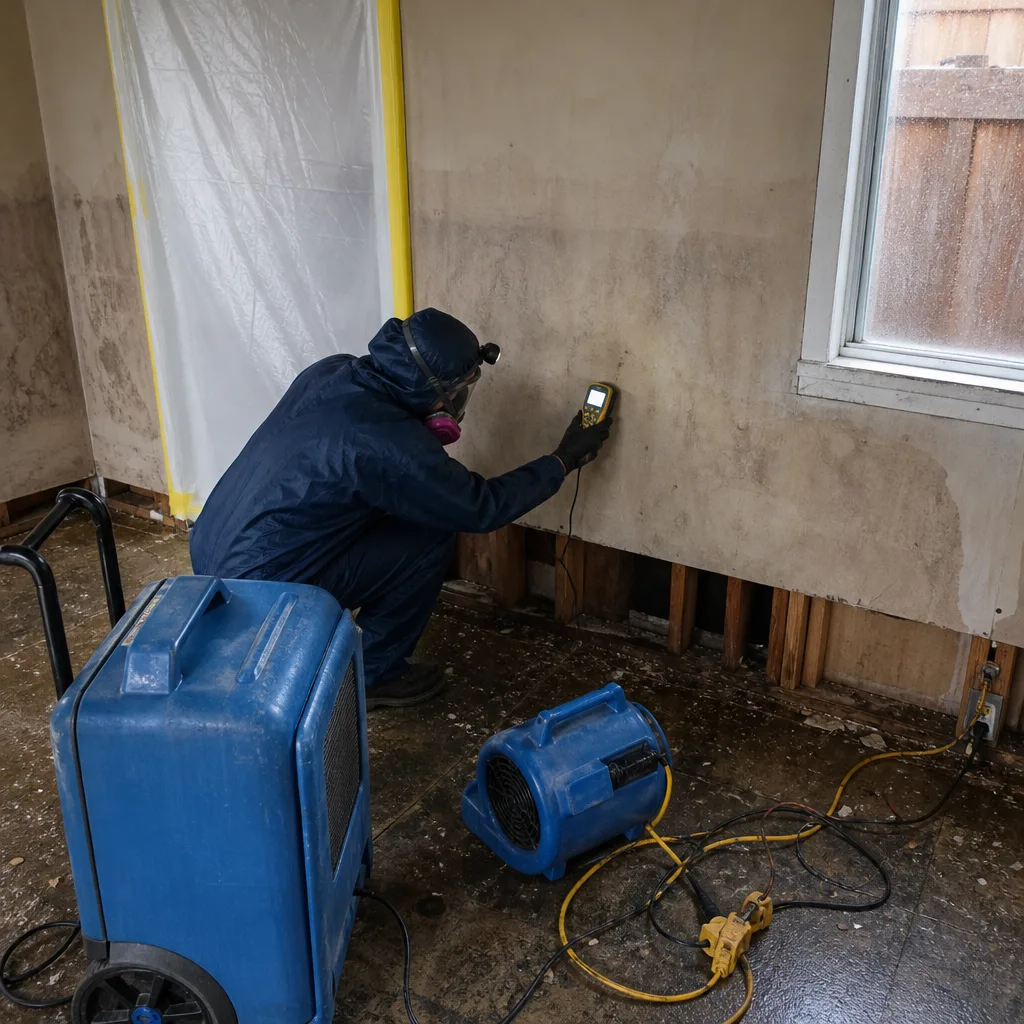 Before
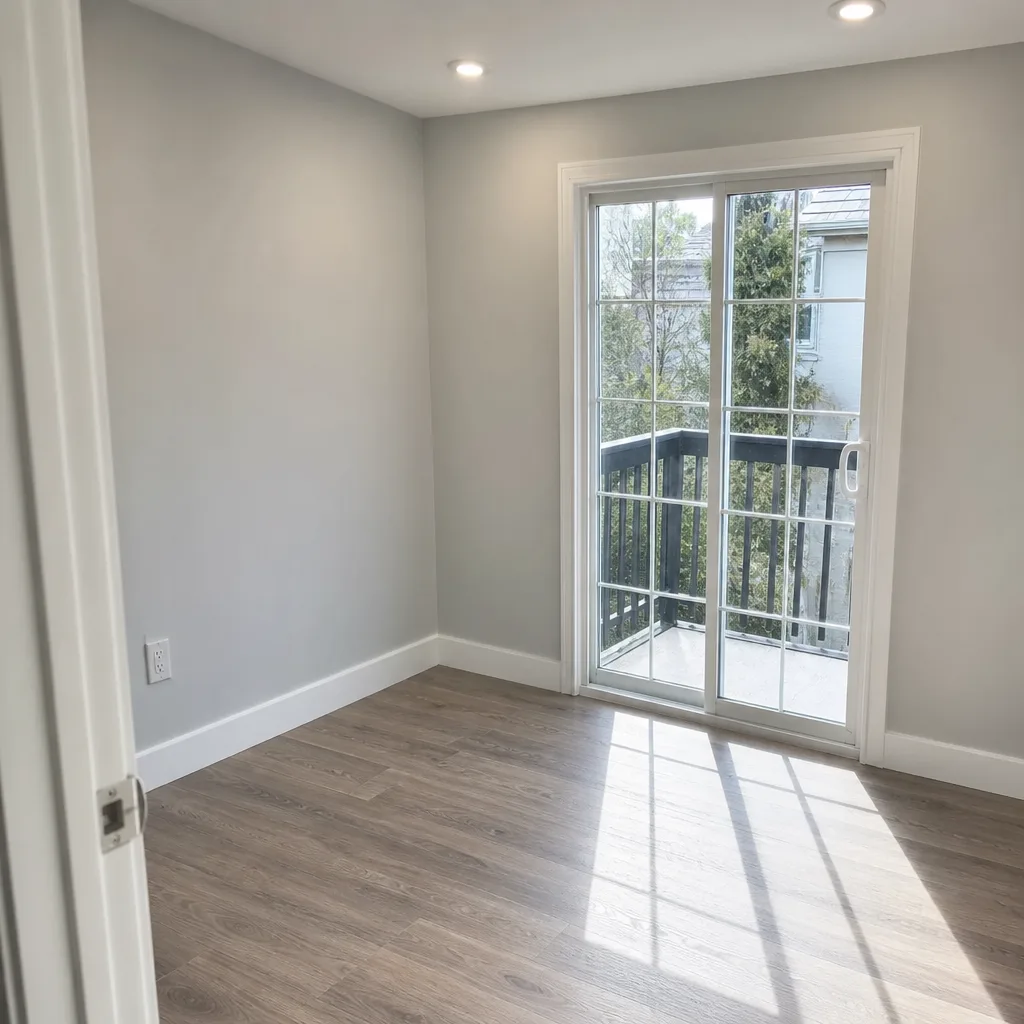
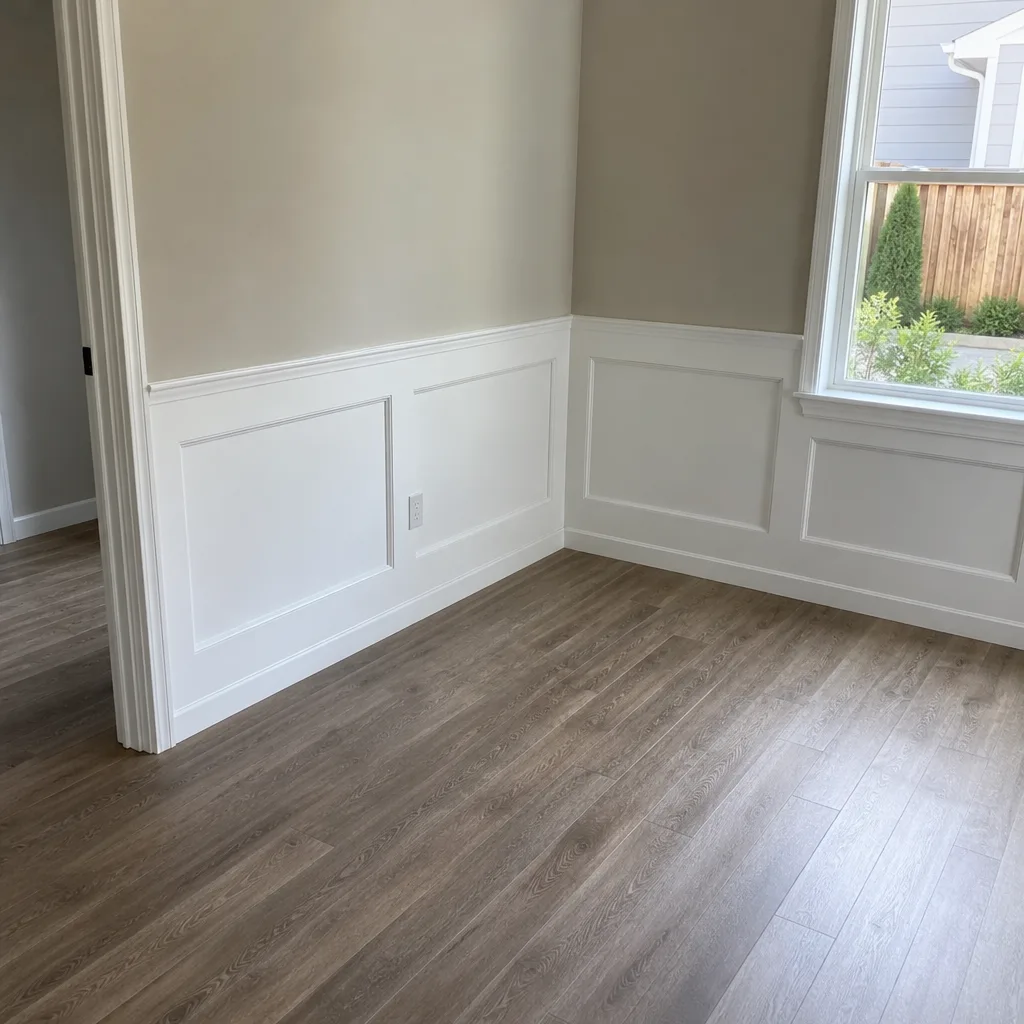 After
After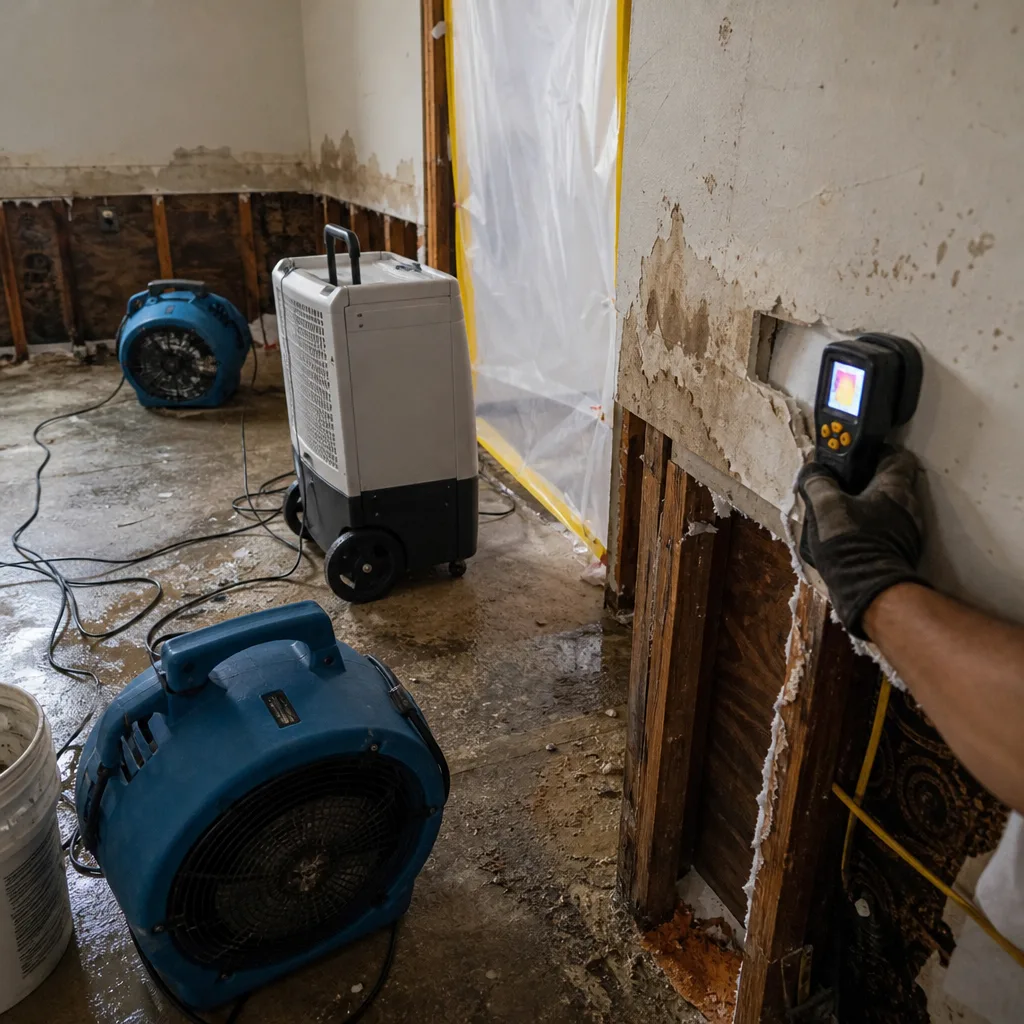 Before
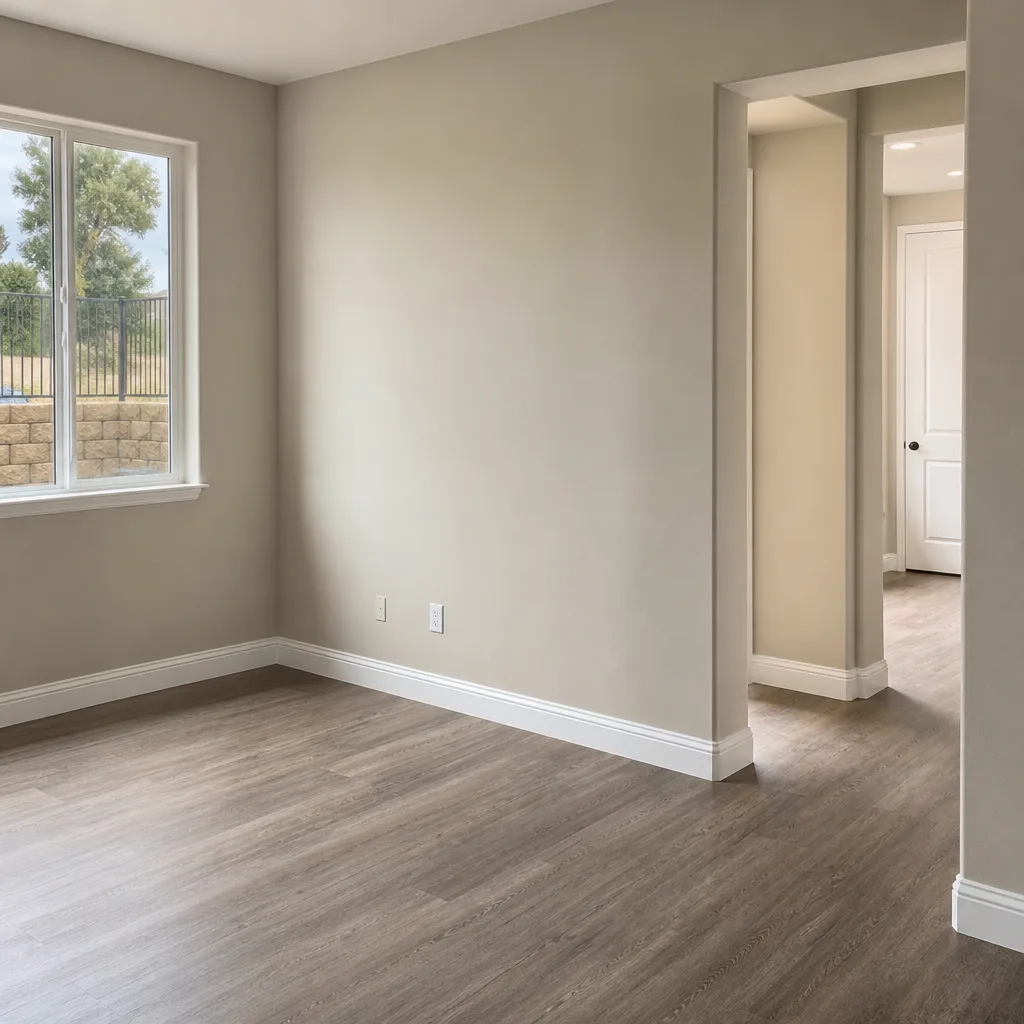 After
After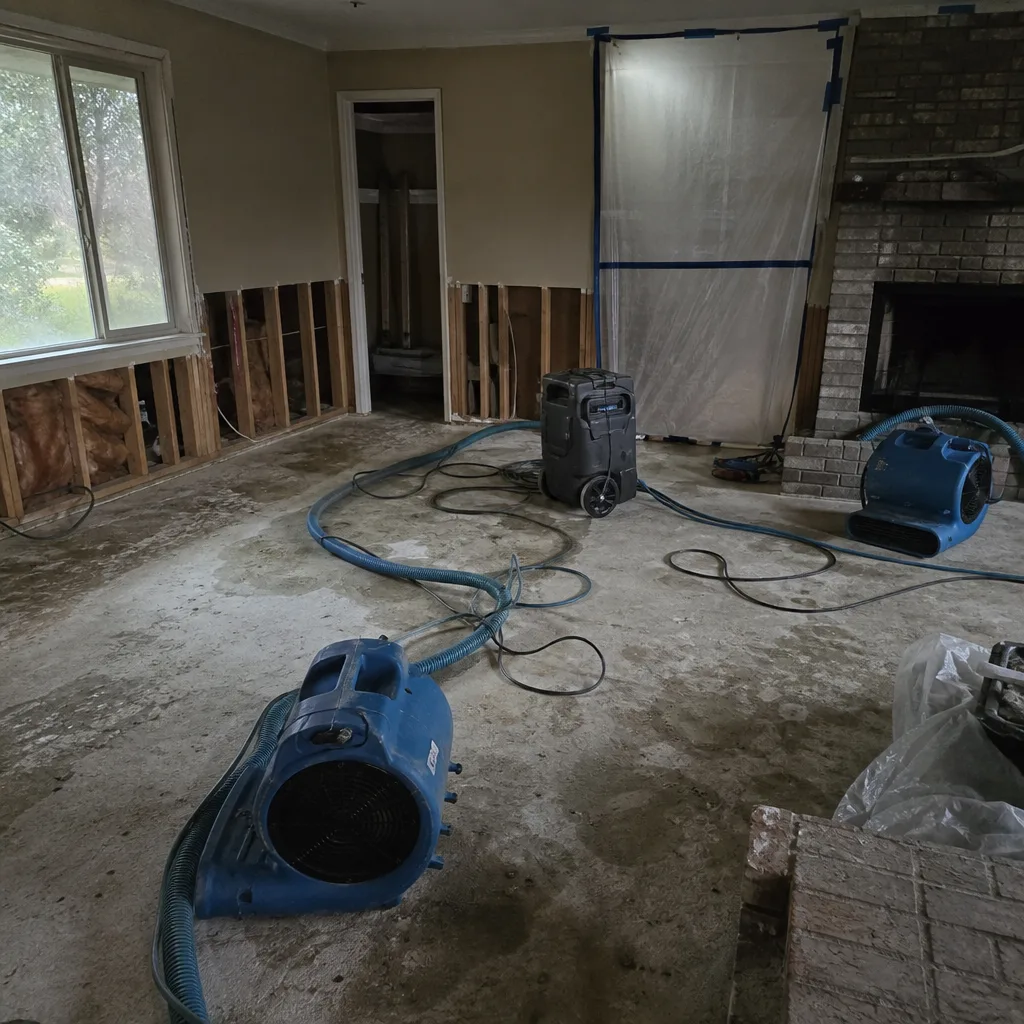 Before
 After
After