
Last updated October 16, 2026
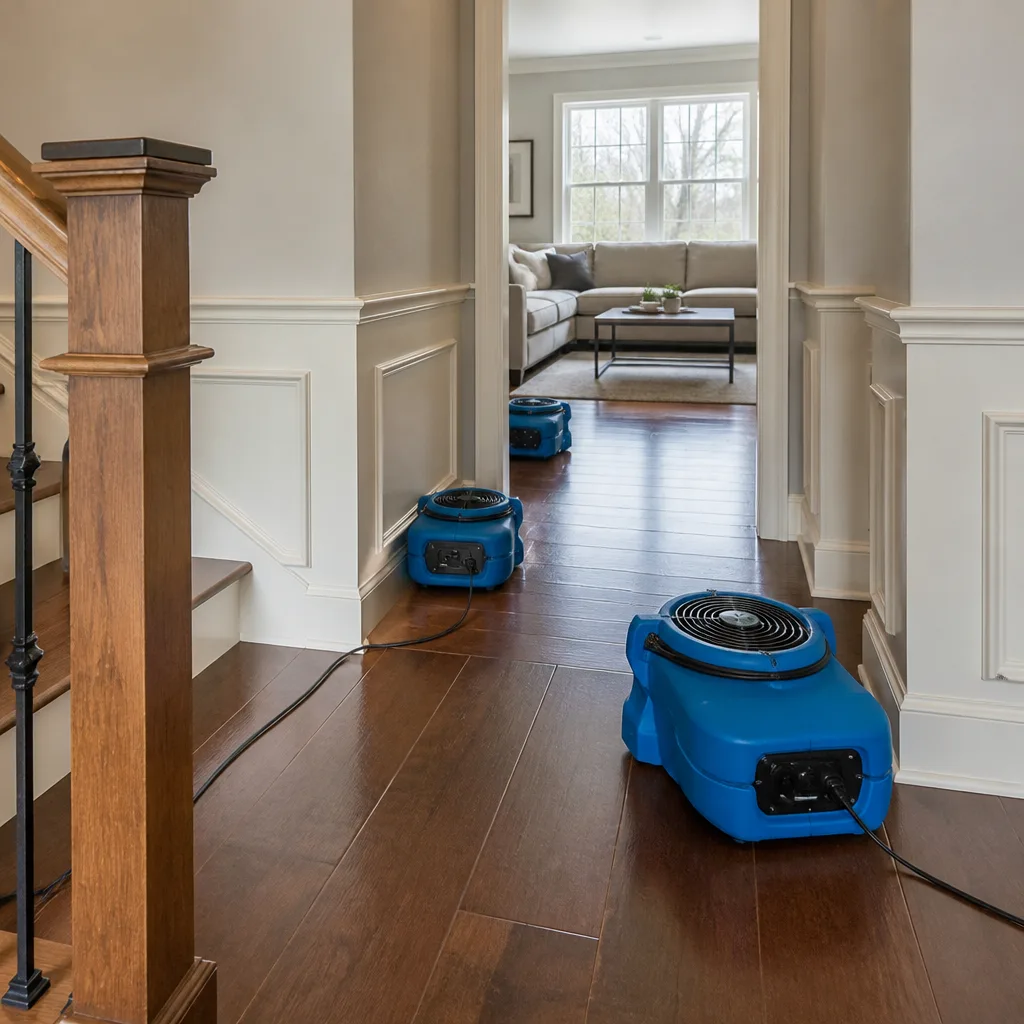 Water damage drying
 Fire & smoke cleanup
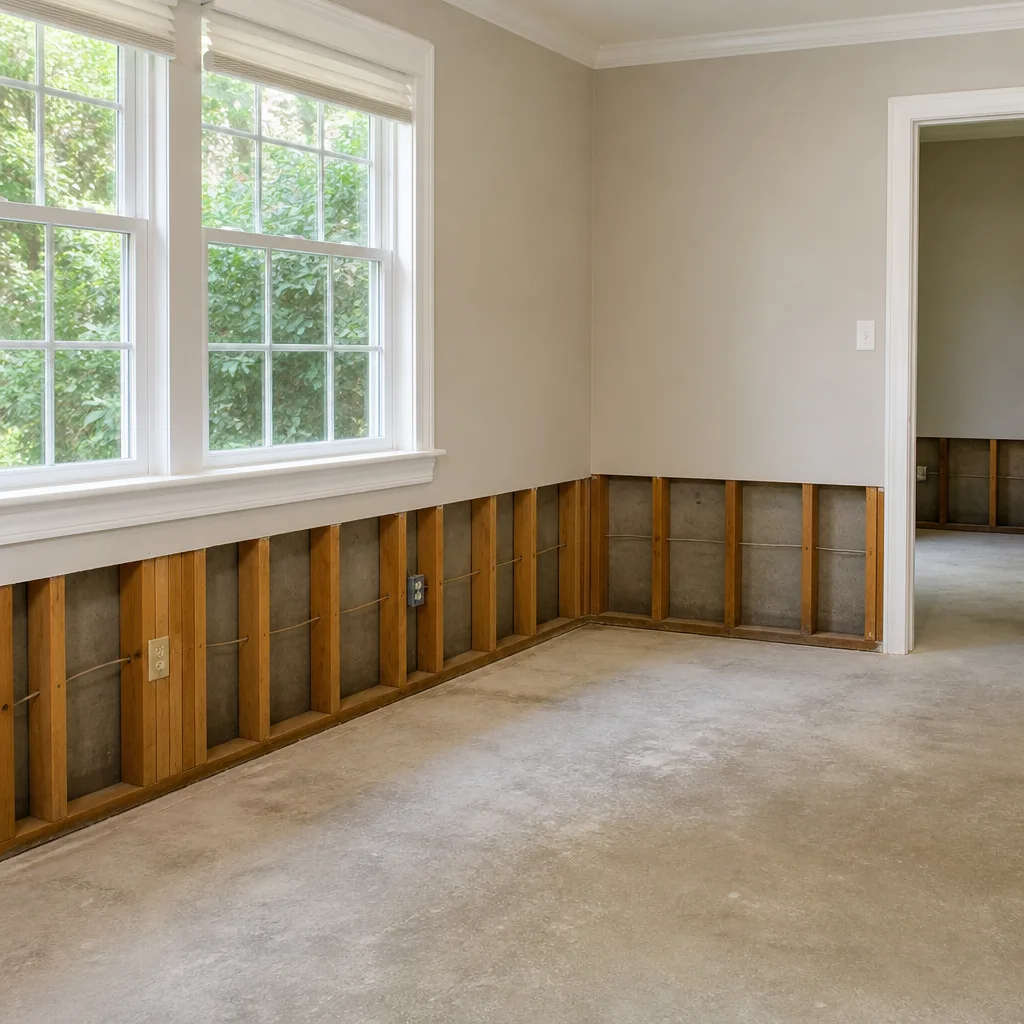 Mold remediation
 Storm response
 Sewage cleanup
 Reconstruction
Free visual inspection and a written scope of work before any mitigation begins - photos, moisture readings, and drying logs go in your claim file
The scope we write is the scope we bill. Anything new gets shown to you, in writing, before we touch it.
Get your free estimateHow to Hire a Damage Restoration Contractor in Santa Clarita: A Step-by-Step Guide
Storm-chasing restoration contractors, unlicensed crews who canvass neighborhoods after a pipe burst or rain event, show up in California Contractors State License Board complaints at more than twice the rate of any other home-service trade. In Santa Clarita, where winter storms push water through the canyons and summer heat cooks moisture into mold inside closed-up houses, that statistic matters more than most places. This Complete Guide to Damage Restoration in Santa Clarita gives you a contractor vetting protocol you can complete before you ever need it. By the time you finish reading, you’ll know the three license classifications to require, how to verify insurance in under five minutes, which red flags kill an estimate on sight, and the exact questions that separate owned crews from subcontractor roulette. And you’ll know which documents to demand in writing before a single fan gets plugged in.
Quick Answer
To hire a damage restoration contractor in Santa Clarita, verify a California contractor license (C-33 for painting and decorating, C-36 for plumbing, plus a CSLB license number you can check online in 60 seconds), confirm active insurance naming you as certificate holder, and require a written scope of work with line-item pricing before any equipment arrives. The contractor should control its own technicians rather than subcontracting emergency response, and every guarantee should appear in writing on the work order, not in a sales pitch.
Restoration work we handle
Table of Contents
- Verify the Three License Classifications Before You Let Anyone In
- Verify Who Is Coming Before You Open the Door
- How to Read a Certificate of Insurance (Most People Never Actually Do This)
- Red Flags in a Restoration Estimate That Should Kill the Deal
- Seven Questions That Reveal Whether a Company Controls Its Crews
- Santa Clarita-Specific Factors That Change How You Should Hire
- A Step-by-Step Hiring Protocol You Can Complete Today
Verify the Three License Classifications Before You Let Anyone In
California requires specific contractor classifications for restoration work, and most homeowners never learn this until a dispute lands in front of the Contractors State License Board. A legitimate Santa Clarita restoration company should hold a C-33 painting and decorating license because surface restoration and sealing fall under that classification after structural drying is complete. The same company or its plumbing affiliate should hold a C-36 plumbing license for water line repairs and repiping. And the business itself must carry a CSLB contractor license number, which you can verify online in about 60 seconds at the CSLB website.
Here’s what most guides miss: an IICRC certification is not a substitute for a CSLB license. The IICRC, the Institute of Inspection Cleaning and Restoration Certification, certifies individual technicians in water damage restoration standards. That’s valuable, and you want it on the crew that shows up. But it is a private certification, not a state-issued license to operate. A company can hang an IICRC certificate on the wall while lacking the CSLB license California law requires for contracting work over $500. Ask for both, and check both.
How to verify in under two minutes:
- Go to the CSLB license check page and enter the company’s license number. Confirm the license is active, not expired or suspended.
- Check that the classifications match the work being quoted. A C-33 and C-36 should appear for restoration that includes surface finishing and plumbing.
- Look at the “workers’ compensation” field. If the company has employees and shows no workers’ comp coverage, that’s a liability waiting to land on your homeowner’s policy.
- Note the license issue date. A license issued three months ago is not automatically disqualifying, but combined with low online history it suggests a storm-chaser profile.
In our experience in Santa Clarita, the most common pattern we see is a crew that has some certifications but no CSLB license at all, or a license that belongs to another entity entirely. When the work goes wrong, you discover you were never contracting with the person whose name is on the estimate. That detail matters more than any drying equipment they bring through the door.
Verify Who Is Coming Before You Open the Door
The second anxiety most homeowners carry during a water or mold emergency is not the damage. It’s the stranger at the door. You’ve just watched water pour through your ceiling in Valencia or Saugus, you call a number from a search result, and two hours later a truck pulls up. Who exactly is walking into your home?
The Threshold Verified standard exists to answer that question before it becomes a fear. It’s a protocol, not a marketing phrase, and you can use it as a practical checklist when evaluating any Santa Clarita restoration contractor. Here’s what it looks like in practice:
- Name and photo sent before the visit. The company text messages or emails the technician’s name and photograph before the truck rolls up. You know who to expect.
- Photo ID badge shown at the door. The technician presents a company ID badge with photo before stepping inside. No ID, no entry.
- Background-checked and identity-verified. The company runs background checks on every technician and verifies identity documentation. This is not a manager’s assurance; it’s a documented, standing policy.
- Uniformed and identifiable. The technician arrives in company uniform with visible branding. No plainclothes mystery crew.
- Vehicle identification. The truck matches the company you called. Not an unbranded pickup with rented equipment in the back.
If a company cannot describe, in specific terms, how it vets the people it sends into homes, that is the answer. In Santa Clarita, where many homeowners are parents with young children or older residents who are often alone during the day, this protocol is not a nicety. It’s the difference between an emergency you manage and an emergency that manages you. Ask any contractor you’re considering: “Will you send me the technician’s name and photo before they arrive?” If the answer is anything other than yes, keep looking.
How to Read a Certificate of Insurance (Most People Never Actually Do This)
Most homeowners accept a Certificate of Insurance as proof of coverage without ever verifying a single line. A certificate is a snapshot of coverage on the date it was issued, and it can be outdated, canceled, or simply not cover the property type you’re dealing with. Here’s how to read the document you’re handed.
The certificate should list you, the homeowner, as the certificate holder. Not your name? That document was generated for someone else’s job. Look at the types of coverage: general liability should be present with a limit that makes sense for restoration work, and workers’ compensation should be listed if the company has employees. A company with employees and no workers’ comp coverage is a red flag. If a worker gets injured on your property, your homeowner’s policy may be the one that pays.
Then call the insurance agency’s phone number listed on the certificate, not a number the contractor gives you. Tell the agent you want to confirm the policy is active, that the contractor is a named insured, and that the coverage applies to residential water and mold restoration in Santa Clarita. This call takes under five minutes. Most agents are accustomed to it.
One more detail: ask for “additional insured” status if you’re signing a contract. This extends the contractor’s policy to protect you directly during the project. Some Santa Clarita homeowners skip this because it feels like paperwork. That’s the paperwork that keeps your name out of a subrogation fight when something goes wrong. A company that handles insurance claims daily, like our team at Marsh Water Damage Santa Clarita home, will produce these documents without hesitation because we provide photo documentation and direct adjuster coordination on every job. If a contractor balks at insurance verification, you’ve learned something important.
Red Flags in a Restoration Estimate That Should Kill the Deal
Restoration estimates are where pressure lives. You’re stressed, water is spreading, and someone hands you a number with a pen underneath it. This is exactly when the worst contracts get signed in Santa Clarita kitchens. Here are the red flags that should make you put the pen down.
- Unsigned scopes of work. An estimate that describes “water extraction and drying” without detail is not a scope. A legitimate scope lists each room, each activity, the equipment to be used, and the duration. If the pages that describe the work have no signature line for both parties, the company is telling you the details don’t matter. They do.
- “Not-to-exceed” language without line items. This phrasing, often presented as reassuring, means the company can charge anything up to the cap without explaining what each charge was for. A proper estimate has line items: extraction, equipment setup, monitoring visits, removal of affected materials, drying logs. You can add a not-to-exceed cap to a line-itemed scope. You cannot add line items to a cap promise.
- Verbal guarantees that don’t appear in writing. “We’ll take care of you” is not a guarantee. A guarantee states what is covered, for how long, and what happens if the work fails. If the words aren’t printed on the work order, the guarantee doesn’t exist.
- Percentage-based pricing without justification. Some storm-chasers quote “10% of your insurance estimate” without explaining what work that percentage represents. Insurance pricing is based on industry-standard software line items. Ask to see the line items.
- Pressure to sign before the estimate is itemized. Any contractor that wants a signature before producing a written scope is not selling restoration. They’re selling urgency. The damage will still be there in 30 minutes while you read.
At Water Damage Restoration in Santa Clarita, we put a written price before any work starts. That’s not a sales position. It’s printed on every work order because a homeowner who sees the full scope before demolition begins is a homeowner who doesn’t get surprised later. You should demand the same from any contractor you’re considering, on any restoration job in any Santa Clarita neighborhood, from Canyon Country to Newhall.
Seven Questions That Reveal Whether a Company Controls Its Crews
Some restoration companies in Santa Clarita employ their own technicians. Others subcontract emergency response to whoever is available that night, which means the person standing in your hallway was not trained by the company you called, is not covered by that company’s internal standards, and may not even carry the certifications the company advertises. Here are the questions that expose the difference.
- “Are the technicians who will arrive on my job employees of your company or subcontractors?” Listen for a direct answer. “We work with a network of trusted partners” means subcontractors. That may be fine for some trades, but restoration is time-sensitive and liability-heavy. You want to know who signs the paycheck of the person holding the moisture meter.
- “Who do I call if the drying isn’t working correctly at 2 a.m.?” If the answer is anyone other than the company you’re talking to, you’re buying a referral, not a service.
- “Will the same team that starts the job be the team that finishes it?” Restoration takes days. A company that rotates crews randomly through drying-monitoring visits is not managing the job. They’re logging hours.
- “What drying equipment do you run, and who monitors the drying logs?” Listen for specific manufacturer names. We run Dri-Eaz, Phoenix, and Injectidry equipment at Storm Damage Restoration in Santa Clarita because those units are the same ones deployed on large commercial losses. A company that says “industrial fans” and doesn’t know the brand is renting whatever Home Depot had that morning.
- “How do you document the moisture levels during drying?” The answer should include psychrometric readings, which means measuring both the moisture in the air and the moisture in the materials, not just checking the surface with a meter. If they fumble this, they’re winging it.
- “What happens if the repair fails after the job is done?” Listen for a specific, time-bound answer. Our answer is printed on every work order: a free second visit if the repair is not right within 365 days. You want a company that states its terms without hedging.
- “Will you coordinate directly with my insurance adjuster?” A yes here matters. Restoration involves documentation, drying logs, and photo evidence that insurance companies require. We coordinate directly with adjusters and provide photo-documented assessments because that’s how claims actually close cleanly.
Santa Clarita-Specific Factors That Change How You Should Hire
Santa Clarita is not just any California suburb. Its climate, geography, and housing stock create specific restoration patterns that should shape how you evaluate a contractor.
First, the heat. Summer temperatures in Valencia, Saugus, and Canyon Country routinely push past 100 degrees. Water that sits for even 24 hours in that heat accelerates mold growth significantly. A restoration crew that delays drying equipment by even one day in August is creating a mold problem that didn’t exist when the water first appeared. Ask any contractor how quickly they deploy drying equipment after extraction, and compare their answer to “same day.”
Second, the wind. Santa Clarita sits in a wind corridor where Santa Ana events drive embers and storm debris into eaves and vents. Storm damage here often involves wind-driven rain intrusion that doesn’t look dramatic. A roof leak that lets water in during a January storm may run down a wall and pool under flooring without visible stains for weeks. Contractors who know the local wind patterns check the right places. Contractors who don’t, don’t.
Third, the housing stock. Much of Santa Clarita’s residential construction dates from the 1980s through 2000s, with stucco exteriors and slab foundations that behave differently than the older pier-and-beam homes you’d find in other parts of Los Angeles County. Water that gets under slab flooring in a Valencia tract home moves differently, and drying it requires different equipment placement. A contractor who has never worked Santa Clarita slabs may dry the surface while moisture remains trapped underneath, which leads to a callback that shouldn’t have happened.
Fourth, permit awareness. Some restoration work in Santa Clarita triggers city permit requirements, particularly when structural framing, electrical, or plumbing modifications are involved. A legitimate contractor knows which work requires permitting and which doesn’t. If the company suggests skipping a permit on work that clearly needs one, you’ve learned something about how they’ll handle the rest of the job.
A Step-by-Step Hiring Protocol You Can Complete Today
Here’s the part of this guide that changes how you hire. You can complete this protocol before any emergency happens, which means when the water arrives you’re not making decisions under stress. You’re following a checklist you built while calm.
Step 1: Build a shortlist of two or three Santa Clarita restoration contractors now. Visit their websites, look at their service pages, and note whether they openly publish their licensing information, their guarantee terms, and their equipment standards. Companies that hide these details are telling you something.
Step 2: Verify each contractor’s CSLB license online. This takes 60 seconds per company. Confirm the license is active and check the classifications. If a company doesn’t list a license number you can verify, remove it from the list.
Step 3: Call each company and ask the seven questions from the section above. A live person should answer. If you get voicemail during business hours, that’s a signal. At Mold Remediation in Santa Clarita, we keep a live person answering every call 24 hours a day, including holidays, because water damage doesn’t wait for business hours. You should expect no less from any contractor on your shortlist.
Step 4: Ask about the technician identity protocol. Will they send the technician’s name and photo before arrival? Do technicians show photo ID at the door? This is the Threshold Verified standard, and it’s a practical protect-your-home step, not a luxury.
Step 5: Request a sample scope of work. A company that won’t share a redacted sample scope is telling you its processes aren’t written down. You want to see line items, equipment lists, and signature blocks.
Step 6: Store the number in your phone. When the pipe bursts at 11 p.m., you call the number you already vetted. You’re not searching, comparing, and hoping. You’re calling a company whose license you’ve verified, whose equipment you’ve researched, and whose identity protocol you’ve confirmed. That’s the entire point.
Common Mistakes to Avoid
- Hiring the first company that appears in a search ad without verification. Search rankings are not licenses. A paid ad doesn’t mean a CSLB license exists. Check the license before the call, not after the work starts.
- Signing a work order before seeing a line-item scope. In Santa Clarita, where restoration jobs often involve insurance claims, the paperwork trail matters. A verbal number and a handshake don’t survive contact with an adjuster.
- Assuming an IICRC certification covers everything. IICRC certifies individuals in water damage restoration standards. It’s a valuable credential. It is not a California contractor license, and it doesn’t cover plumbing or electrical work.
- Accepting a Certificate of Insurance without calling the carrier. A certificate is a snapshot that can be outdated. The five-minute call to the insurance agency is the cheapest insurance you’ll ever buy.
- Letting a technician in without checking ID. You wouldn’t hand your house keys to someone at the grocery store. Don’t open your door to a technician who can’t show a company photo ID.
- Choosing based on price alone. The lowest estimate in Santa Clarita is sometimes a legitimate small operator with lower overhead. It’s also sometimes a storm-chaser with no workers’ comp and no equipment of their own. Price should be the last filter, not the first.
- Waiting until the damage happens to start looking. You can’t evaluate credentials while water is spreading across a floor. The protocol in this guide works because you run it before the emergency, not during it.
See the difference
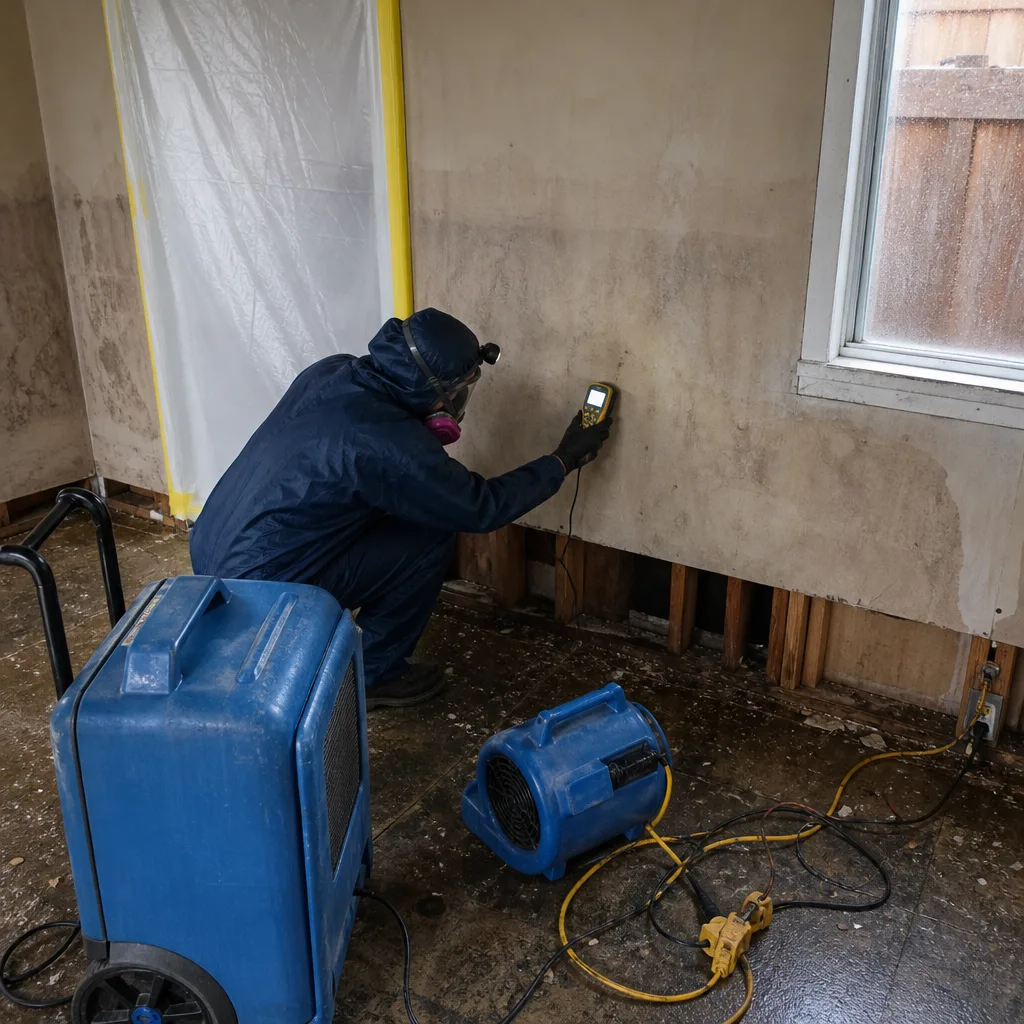 Before
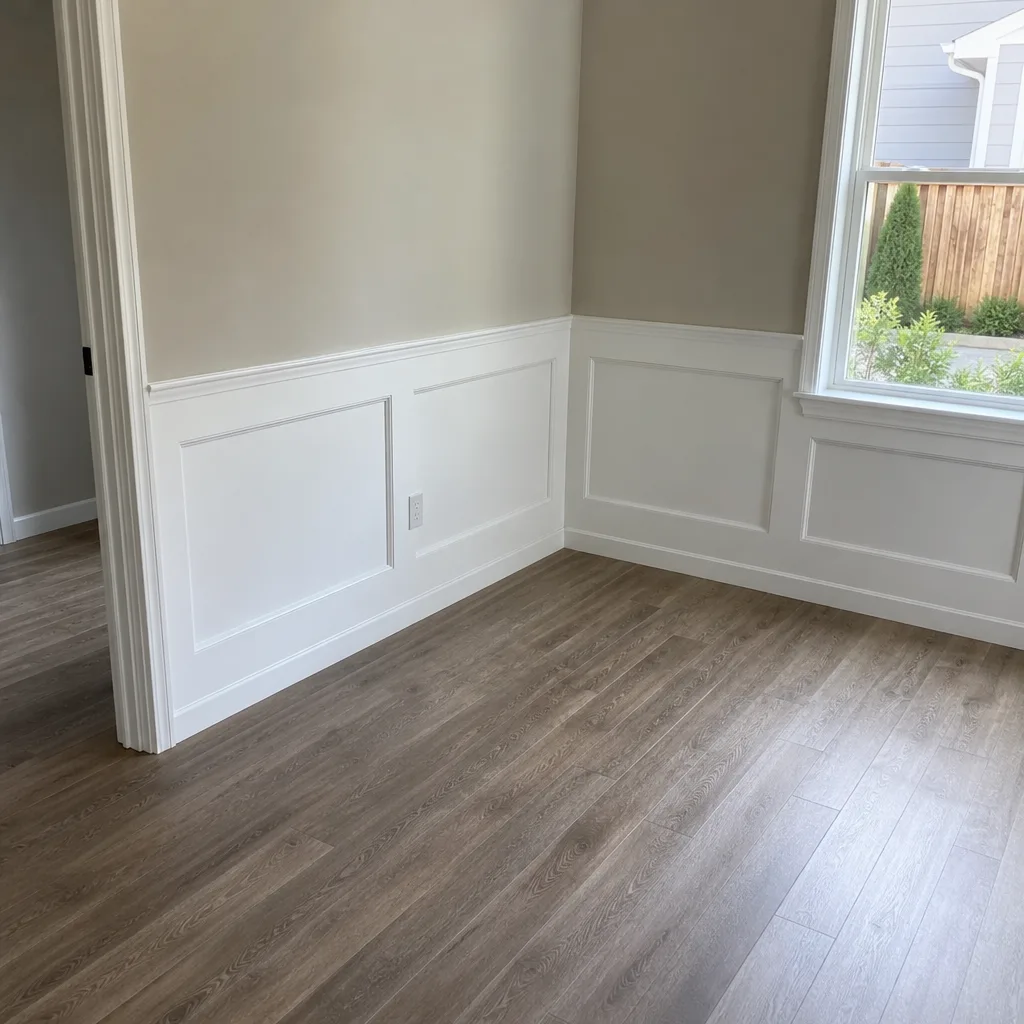 After
After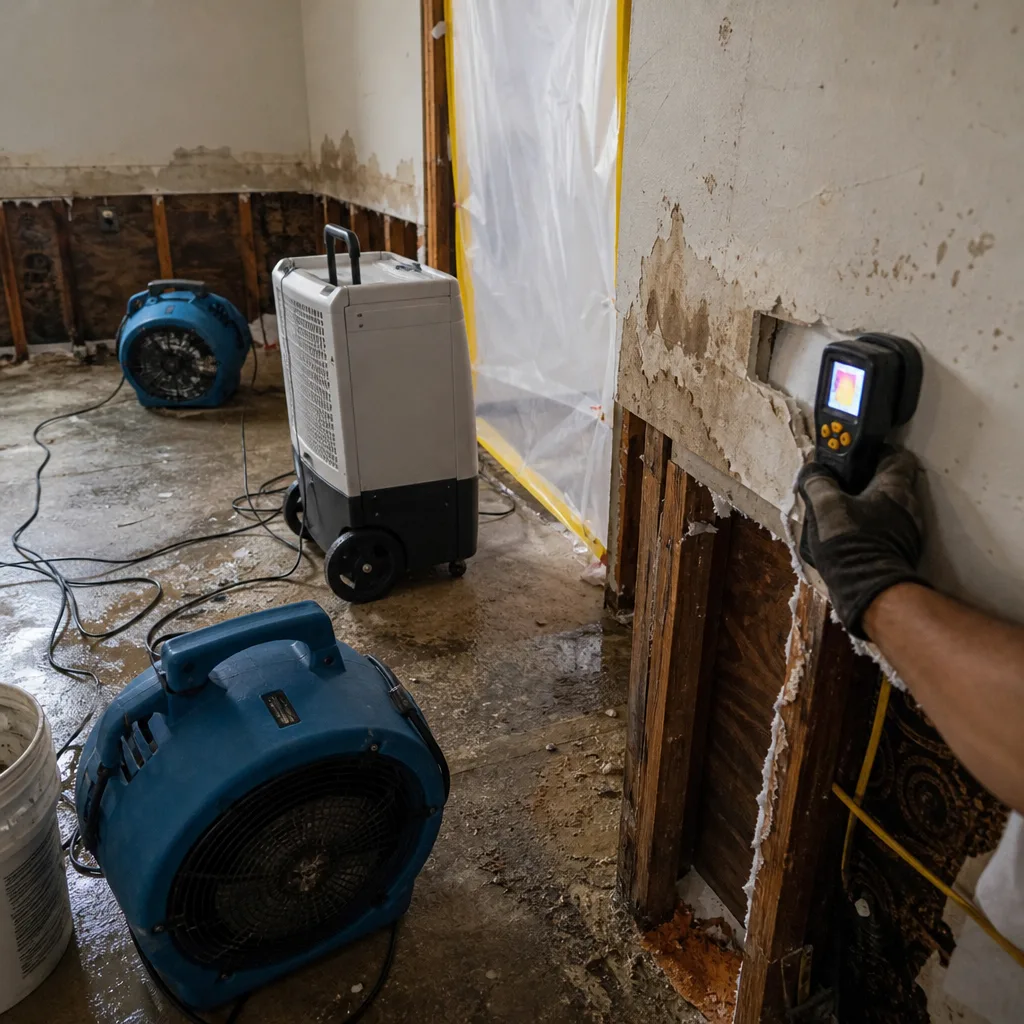 Before
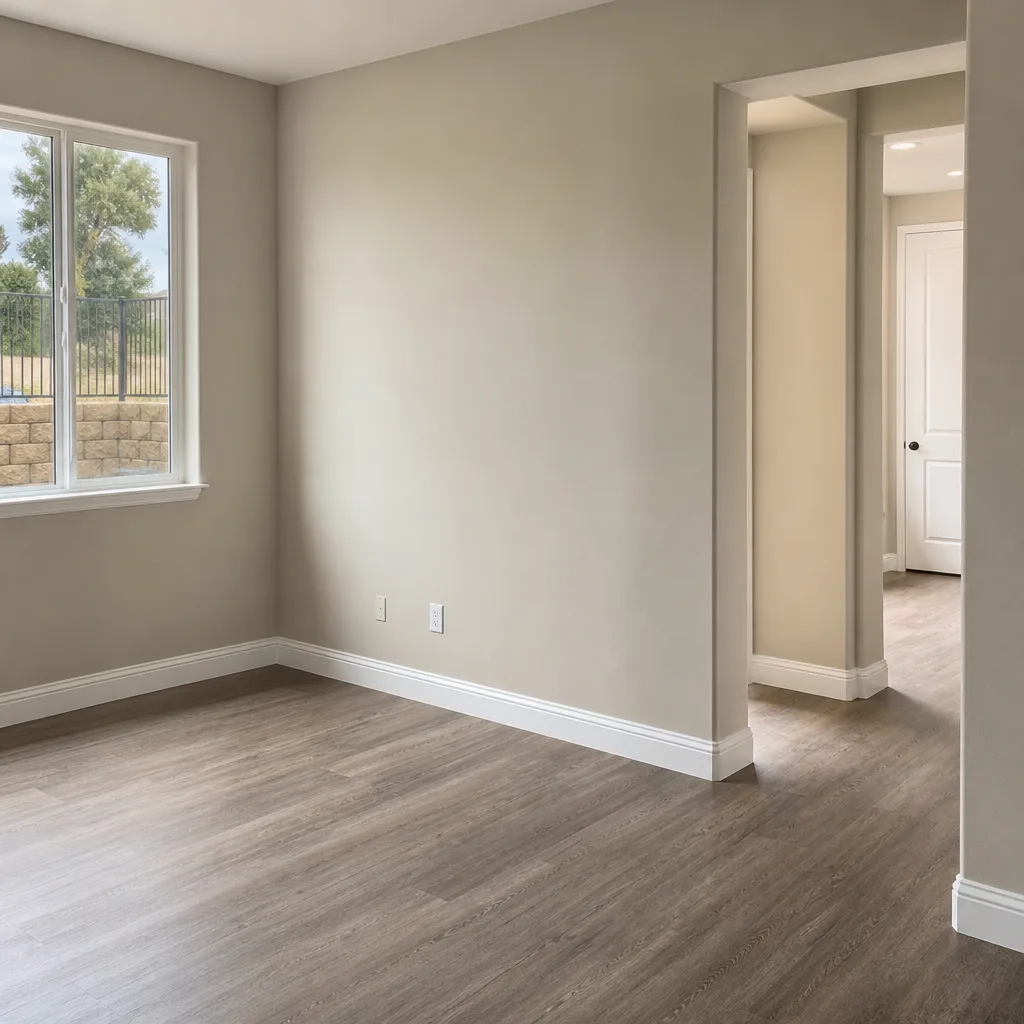 After
After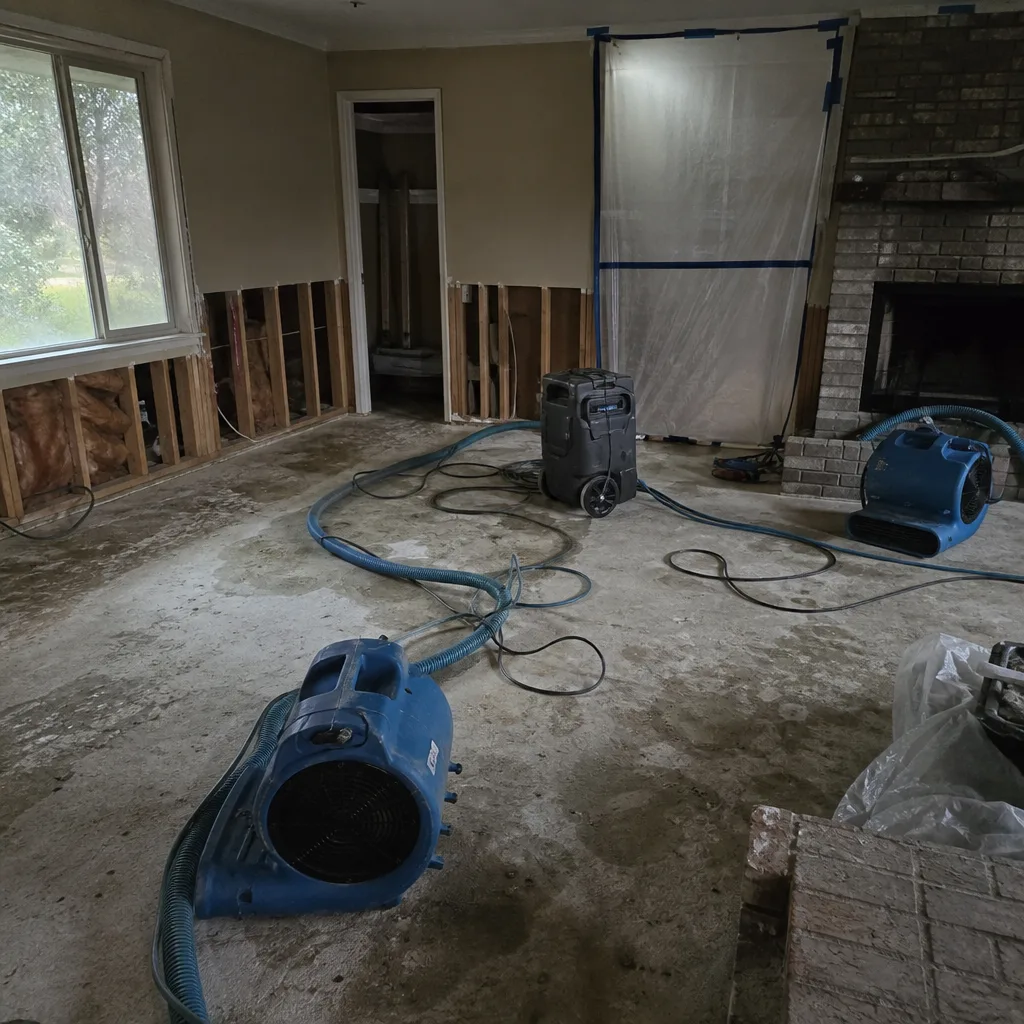 Before
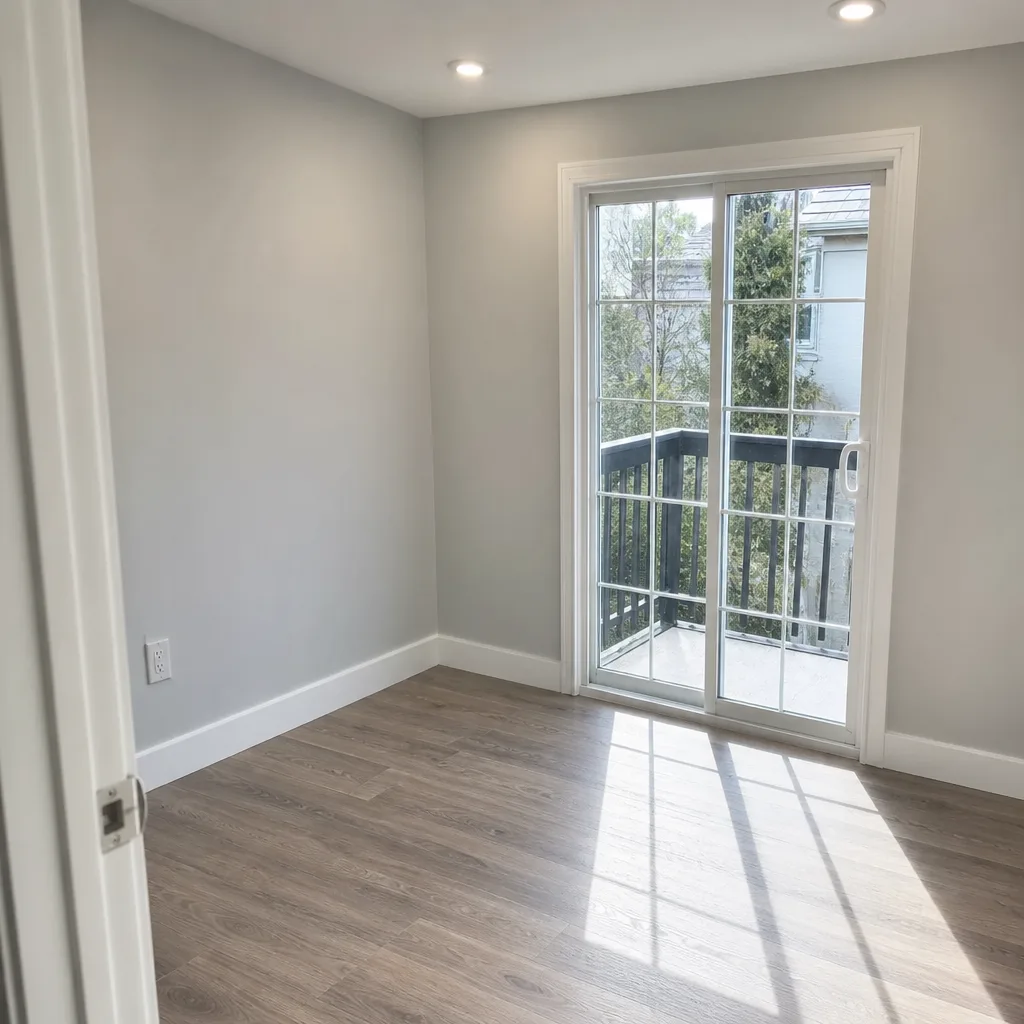 After
AfterWhen to Call a Professional
Call a professional restoration contractor when water has reached building materials, not just floor surfaces. If water has penetrated drywall, soaked into carpet padding, or flowed under cabinetry or baseboards, drying requires commercial equipment and moisture monitoring that rental fans cannot provide. Call when you see or smell mold, because visible mold on a surface often means hidden mold behind it. Call after any storm event that forced water through a roof, window, or door opening, even if the water looks like it dried. And call when your insurance company asks for documentation, because a restoration company that documents moisture levels, drying logs, and photo evidence throughout the process gives your claim the paper trail it needs. Marsh Water Damage Santa Clarita offers free estimates in Santa Clarita. Call (661) 347-1348 and a live person will answer.
Frequently Asked Questions
A legitimate restoration contractor in Santa Clarita should hold a California CSLB contractor license with C-33 painting and decorating and C-36 plumbing classifications, plus IICRC-certified technicians on staff for water damage restoration standards.
Visit the Contractors State License Board website, enter the contractor’s license number, and confirm the license is active with the correct classifications and workers’ compensation coverage. The process takes about 60 seconds.
No. IICRC certification verifies an individual technician’s training in water damage restoration standards, but California law requires a CSLB contractor license for contracting work over $500. You need both.
Most residential water extractions in Santa Clarita run between $2,500 and $7,000 before drying equipment is set, depending on the affected square footage and the water category. Mold remediation and structural repairs add cost on top of that range. For an exact quote on your situation, call (661) 347-1348. Estimates are free.
Homeowners insurance typically covers sudden and accidental water damage, such as a burst pipe or storm-driven water intrusion, but not gradual leaks or neglect. A restoration contractor who documents the damage with photos and drying logs gives your adjuster what they need. Call (661) 347-1348 to talk through your specific policy situation.
A restoration company with live 24/7 dispatch can have a crew en route within hours of your call, sometimes faster in Santa Clarita depending on your neighborhood. The key is calling a company that answers with a live person instead of a voicemail queue. Call (661) 347-1348 and you’ll reach a person, not a recording.
The Bottom Line
Hiring a damage restoration contractor in Santa Clarita is a decision you’ll make under pressure unless you’ve already made it, so explore our more guides & resources to prepare ahead. Verify the CSLB license and the C-33 and C-36 classifications. Confirm insurance is active by calling the carrier, not just reading a certificate. Require a line-item scope of work in writing, with a guarantee printed on the work order, not promised in a conversation. Ask who owns the crews, what equipment they run, and whether they’ll send the technician’s name and photo before the door opens. Do all of this before the water shows up. Then when it does, you’ll call a number you trust, hand the problem to people you’ve already vetted, and sleep in your own house the same night.
Written by Tobias Reyner, Owner at Marsh Water Damage Santa Clarita, serving Santa Clarita since 2005.