
Last updated October 16, 2026
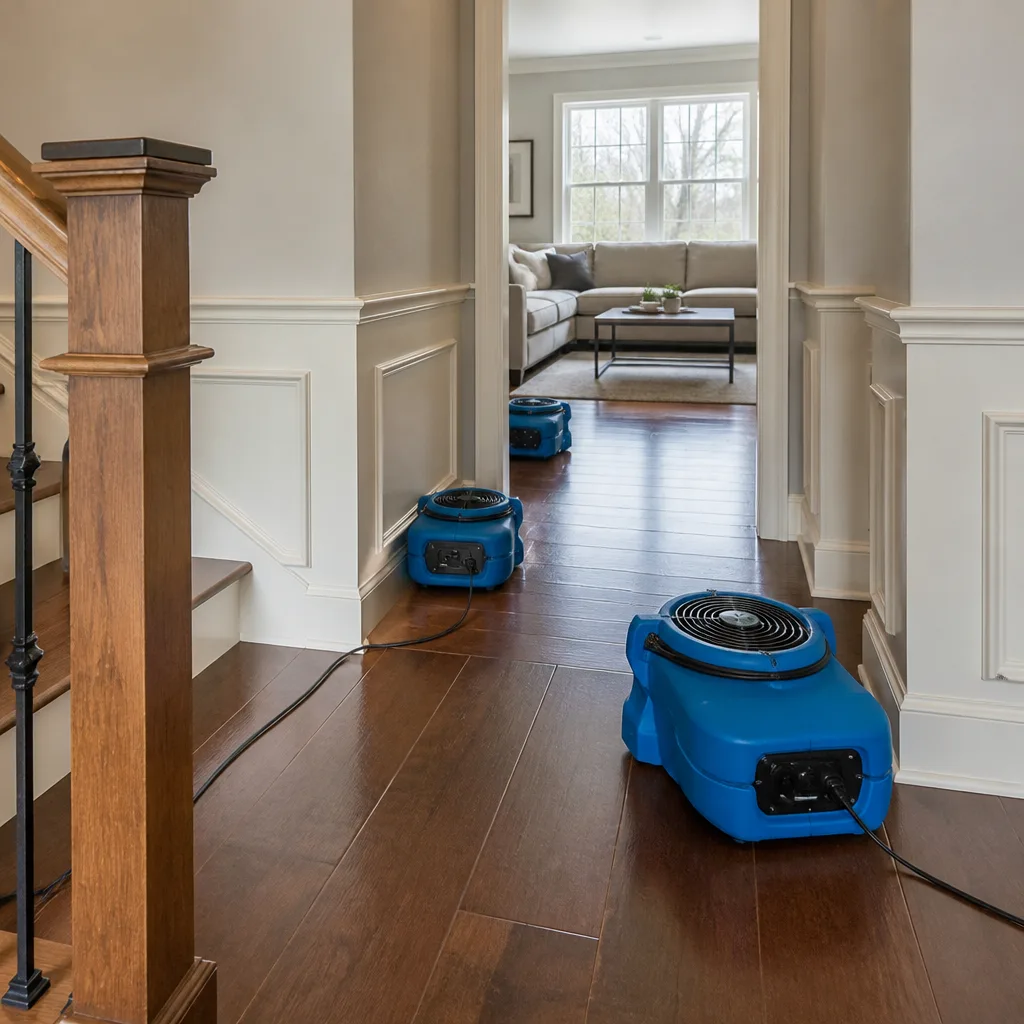 Water damage drying
 Fire & smoke cleanup
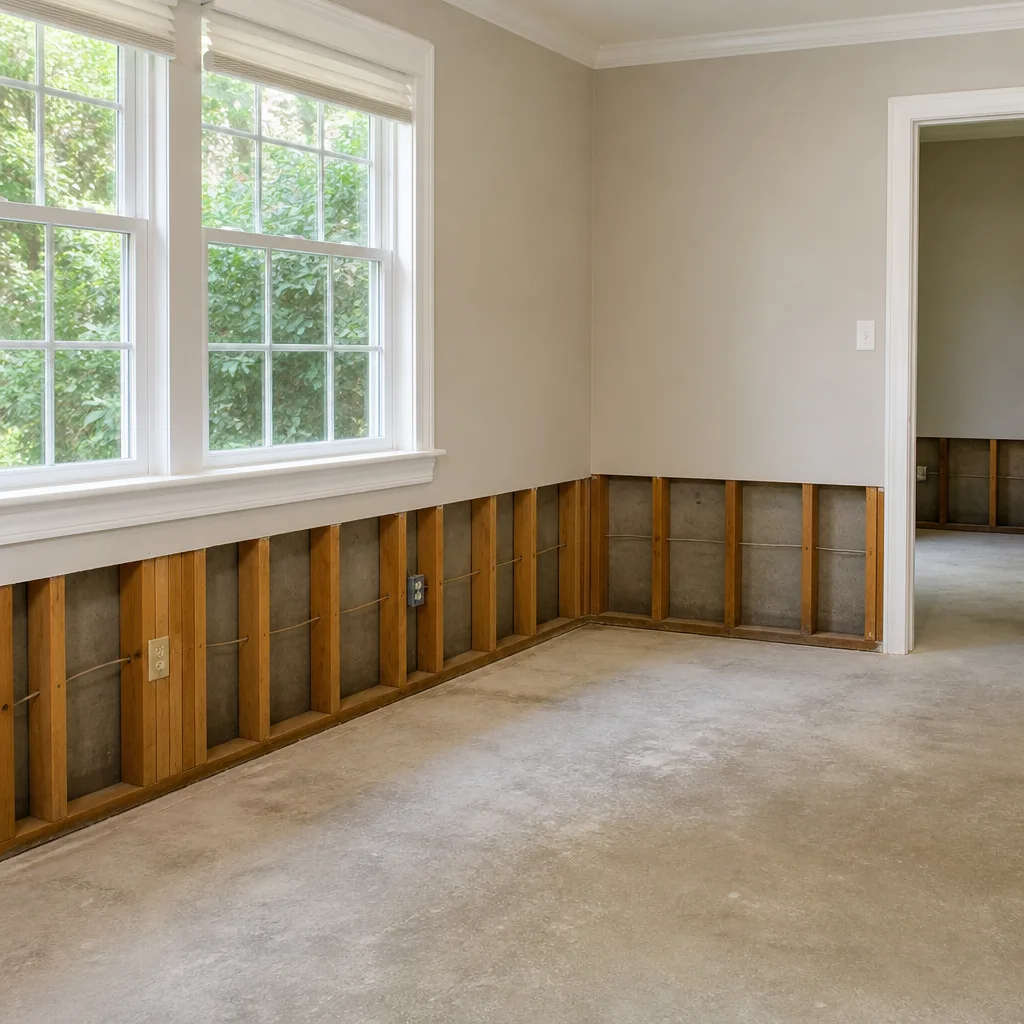 Mold remediation
 Storm response
 Sewage cleanup
 Reconstruction
Free visual inspection and a written scope of work before any mitigation begins - photos, moisture readings, and drying logs go in your claim file
The scope we write is the scope we bill. Anything new gets shown to you, in writing, before we touch it.
Get your free estimateDamage Restoration Warning Signs: A Santa Clarita Homeowner’s Reference Guide
Here’s a number that should make every Santa Clarita homeowner pause: by the time you see a water stain on your ceiling, the leak that caused it has usually been active for three weeks or longer. Water moves laterally across drywall, follows joists, and travels through insulation before it ever becomes visible on a finished surface. The stain is the end of the story, not the beginning. This guide walks you through the warning signs that appear long before a stain does, the ones that can save you a five-figure restoration bill if you catch them during week one instead of week four. For more guides & resources on protecting your home, see our blog. We’ve mapped the exact progression, the Santa Clarita-specific false positives that send people into unnecessary panic, and the five places in your home where water hides longest. If you learn nothing else from this page, learn that your house talks to you early, and most people just haven’t been taught to listen.
Restoration work we handle
Quick Answer
The earliest warning signs of water damage in a Santa Clarita home are a musty or earthy odor with no obvious source, baseboards or trim that feel soft or look slightly swollen, paint that bubbles or peels without sunlight exposure, and floors that feel spongy underfoot in specific spots. None of these require a visible leak or standing water, and all of them mean moisture has already penetrated a building material. If you notice any of these, call a Water Damage Restoration in Santa Clarita professional for an assessment before the damage spreads into framing, subfloor, or drywall, where repair costs jump sharply.
Table of Contents
- The Science of Musty: Why Smell Is the First and Most Reliable Warning
- Stage-by-Stage Progression: What You Can Detect at 24 Hours, 72 Hours, One Week, and One Month
- Santa Clarita-Specific False Positives: Efflorescence and What It Isn’t
- The Five Places Water Hides Longest in a Santa Clarita Home
- What a Homeowner Moisture Meter Actually Tells You, and What It Doesn’t
- Plumber or Restoration Company: Who to Call First and Why the Order Matters for Insurance
- Common Mistakes to Avoid
- When to Call a Professional
- Frequently Asked Questions
- The Bottom Line
The Science of Musty: Why Smell Is the First and Most Reliable Warning
A musty odor in a Santa Clarita home is not a cosmetic issue or something you solve with an air freshener. It is the chemical byproduct of active microbial growth. When mold and bacteria digest organic material in your drywall, wood framing, carpet padding, or insulation, they release volatile organic compounds called microbial VOCs. That earthy, damp-basement smell is literally the metabolic exhaust of living organisms consuming your house. By the time you smell it, live mold colonies are already processing organic material somewhere in your structure. The colonies don’t have to be large. A patch of mold the size of a dinner plate behind a baseboard can perfume an entire hallway.
In our experience across Santa Clarita’s neighborhoods, from Valencia to Canyon Country, the musty smell tends to be strongest in the early morning, when doors have been closed all night and air has been still. Homeowners often notice it when they return from a trip, or when they walk from outside into a closed-up house. That’s because your nose adapts to it slowly when you’re home all day. The people who catch water damage earliest are usually the ones who’ve been away for 48 hours and walk back into a house that smells different. Pay attention to that moment. It’s not your imagination.
What the Smell Tells You About Location
Microbial VOCs are heavy, so they concentrate low and travel along airflow paths. If you smell mustiness near floor level in a hallway but not in adjacent rooms, the growth is likely under the floor or behind a nearby wall. If you smell it when the HVAC kicks on, the growth may be inside the air handler closet or in ductwork. If you smell it strongest near a bathroom, suspect the shower pan or the tile wall behind it. The smell is a compass pointing toward the moisture source, and it is more reliable than visual inspection in the early stages, because mold grows in the dark, hidden places first.
One note that matters more in Santa Clarita than in coastal California: our dry summers mean that a musty smell can disappear for months and then return, which is why Seasonal Damage Restoration Care for Santa Clarita: Year-Round Homeowner’s Guide is worth reviewing. Homeowners assume that if it went away, the problem went away. It didn’t. The mold went dormant when relative humidity dropped, then reactivated when moisture returned. Dormant mold does not mean dead mold, and the smell cycling on and off through the seasons is a classic signature of an ongoing moisture source that has never been addressed.
Stage-by-Stage Progression: What You Can Detect at 24 Hours, 72 Hours, One Week, and One Month
Water damage warnings do not arrive all at once. They unfold on a timeline, and each stage has its own sensory signature. Here is what we’ve observed on hundreds of Santa Clarita water damage calls, from slow slab leaks in Saugus to roof flashing failures in Newhall.
At 24 Hours: The Invisible Stage
Within the first day of an undetected leak, you will almost certainly not see anything. What you might notice is a subtle change in humidity in one room, a dampness in the air that’s not quite right. If the leak is inside a wall cavity, the first physical change is that paper-faced drywall begins absorbing moisture from the back side. You cannot see this from the front. What you may observe is that a door sticks slightly in its frame, because wood swells when it absorbs moisture. A single sticky door in an otherwise fine house is not proof of a leak, but it is a data point. If the door only sticks in humid weather, probably not a leak. If it sticks consistently regardless of weather, and the room has a plumbing wall or a bathroom above it, it’s worth investigating.
At this stage, a Marsh Water Damage Santa Clarita home moisture assessment costs less than the drywall repair that comes later. This is the cheapest moment in the entire timeline to act.
At 72 Hours: The Sensory Stage
Three days in, the signs become detectable to someone paying attention. Paint may begin to develop very small bubbles or a slightly wavy texture, especially near baseboards or in corners. Baseboards themselves may feel cool or clammy to the touch in one specific spot, even when the rest of the wall is warm. If you run your hand along the baseboard and feel a temperature difference, that’s evaporative cooling, moisture leaving the material. It is one of the most reliable early indicators we know of. You might also notice that a section of wood floor feels slightly sticky under bare feet, even after cleaning.
The musty odor often appears at this stage too, though faint. You may only catch it in the morning or when you enter the room from outside. Trust your nose. It is detecting microbial VOCs at concentrations that no visual inspection can confirm, because the mold is still behind the paint, inside the wall cavity, or under the flooring.
At One Week: The Visible Stage
Once a leak has run for seven days, the damage starts to show. Stains begin to appear at the edges of ceilings, around recessed lights, or along baseboard lines. These stains may be faint, tan or light brown, and they often grow slowly. Baseboards show visible swelling, and the joint where the baseboard meets the wall may develop a slight gap as the wood deforms. Vinyl plank flooring may begin to lift at the seams, and tile floors may feel loose or hollow when tapped, because the thinset has begun to break down. Paint may peel in sheets, especially latex paint over moist drywall.
This is the stage where most Santa Clarita homeowners call us. It’s not the earliest possible call by any means, but it’s still a much better call than it would be a month later. At one week, the damage is usually contained to the surfaces directly in contact with moisture. Drying and targeted repair work is often enough.
At One Month: The Structural Stage
After a month of continuous moisture, the damage has moved from cosmetic into structural. Drywall loses its integrity and crumbles when pressed. Wood framing begins to soften, and dry rot takes hold in load-bearing areas. Mold colonies have now had weeks to spread through the wall cavity, into insulation, and possibly into adjacent rooms. Ceiling stains are dark, often with visible rings, and may drip during heavy rain. Floor structures may sag. Baseboards may pull away entirely from the wall, revealing blackened or greenish material behind them. At this point, what could have been a $600 targeted repair is now a $6,000 or higher restoration involving demolition, structural drying, mold remediation, and reconstruction.
The timeline is not theoretical. It plays out the same way in a Valencia tract home and a Sand Canyon custom build. Water is indifferent to zip codes.
Santa Clarita-Specific False Positives: Efflorescence and What It Isn’t
Santa Clarita’s hard water and our particular soil chemistry create a false positive that scares homeowners every single year: efflorescence. This is a white, chalky, sometimes fluffy-looking deposit that forms on stucco, concrete, brick, and masonry. It looks eerily like white mold, and in photos on the internet, the two are almost indistinguishable. But efflorescence is not organic at all. It is mineral salts left behind when water moves through masonry, dissolves the minerals inside, and evaporates on the surface, leaving the salt behind. It is a sign that water has moved through the material at some point, but it is not a sign of active mold growth, and it is not a health hazard in itself.
How to Tell the Difference Without a Lab Test
- The water test. Put a few drops of water on the white substance. Efflorescence dissolves or softens almost immediately, because it’s just salt. Mold does not dissolve in water; it will hold its structure and may smear slightly.
- The location test. Efflorescence forms on masonry surfaces: stucco exterior walls, concrete foundation edges, brick steps, stone retaining walls. Mold in a Santa Clarita home is far more likely to form on organic surfaces: drywall, wood, carpet, insulation.
- The pattern test. Efflorescence tends to form in broad, even patches or in lines that follow mortar joints or water flow paths. Mold tends to grow in irregular, spreading colonies with darker centers and lighter edges.
- The season test. Efflorescence often appears after rain or irrigation changes, then fades as the masonry dries out. Mold doesn’t fade on its own. It spreads or goes dormant, but it doesn’t disappear.
If it’s efflorescence, you still have a moisture question worth asking: why is water moving through your masonry at all? On an exterior stucco wall, it may just be normal wetting and drying. On an interior concrete slab edge, it may indicate moisture wicking up from the ground. But understanding what you’re looking at matters, because a homeowner who mistakes efflorescence for mold may call a Mold Remediation in Santa Clarita company for a problem that doesn’t exist, while a homeowner who mistakes mold for efflorescence may ignore a real problem for months. The water test takes thirty seconds and costs nothing. Do it before you panic, and before you ignore.
The Five Places Water Hides Longest in a Santa Clarita Home
Some water damage announces itself. A burst supply line under a sink is impossible to miss. But the majority of costly restoration jobs we handle in Santa Clarita come from water that hid for weeks or months in places homeowners never look. Here are the five hiding places we check first on every assessment, because they are the ones where damage is most advanced by the time anyone notices.
1. Inside Stucco Cavities
Stucco is the dominant exterior finish across Santa Clarita, from older Saugus homes to newer developments in Valencia and Castaic. Stucco is a multi-layer system: a weather barrier over the framing, then a drainage plane, then wire lath, then three coats of cement-based stucco. Water that gets behind the stucco, through a crack, a failed window flashing, or a poorly sealed penetration, can sit in the cavity between the stucco and the framing for a long time. The stucco itself may look perfectly fine from outside, because it can dry from the exterior while the interior stays wet against the wood. By the time you see staining on the interior wall, the framing behind that wall may have been wet for months. The warning signs are interior: peeling paint on a stucco-facing wall, a musty smell that seems strongest on the west side of the house, or baseboards that warp even with no plumbing nearby.
2. Under Slab Expansions
Many Santa Clarita homes are built on concrete slabs, and many have had additions or sunrooms poured as separate slabs. The joint where the original slab meets the addition slab is a natural failure point. Water from a plumbing leak under the slab, or from groundwater moving through soil, finds that joint and travels along it. The first sign is often flooring failure in a line that follows the joint: tile cracking in a straight line, wood flooring cupping in a specific pattern, or carpet that stays damp in one narrow strip. By the time the slab itself shows moisture at the joint, the underside of your flooring has been wet for a long time. If you see a line of floor damage that runs directly across a room in a straight path, suspect slab joint moisture before you suspect the flooring itself.
3. Inside HVAC Air Handler Closets
In Santa Clarita, most air handlers are installed in interior closets, often on upper floors or in hallway utility rooms. The condensate drain from that air handler carries gallons of water away every summer day, and those drains clog with dust, algae, and debris. When they clog, the condensate pan overflows slowly, spilling water into the closet floor, the wall cavity below the unit, and the ceiling of the room beneath. This leak is almost never discovered quickly, because the closet is usually closed, the spill is slow, and the sound is masked by the air handler itself. The warning signs: water stains on the ceiling directly below the air handler closet, rust on the air handler cabinet, or a musty smell that only appears when the AC runs. Check your condensate pan and drain line every spring, before the first heat wave. It’s a five-minute inspection that prevents one of the most common restoration jobs we see between June and October.
4. Behind Tile Shower Walls
Tile and grout are not waterproof. They are water-resistant surfaces over a waterproofing layer, and in many Santa Clarita homes, especially those built before current waterproofing standards were codified, that waterproofing layer is failing or was never adequate. Water seeps through grout lines and sits against the wall cavity behind the shower, soaking into drywall, framing, and the subfloor. The tile looks fine from the shower side. The damage accumulates on the other side. The warning signs are on the wall behind the shower: peeling paint or bubbling drywall, a baseboard that pulls away, a musty smell in the adjacent bedroom or hallway, or tile that sounds hollow when tapped. If the wall behind your shower shares a surface with a bedroom or hallway, walk around and inspect the other side regularly. That’s where the story shows up.
5. Inside Attic Insulation Above Flat-Roof Additions
Flat-roof additions and patio covers are common on Santa Clarita homes, and they are the single most leak-prone roofing configuration in our climate. Flat roofs do not shed water the way sloped roofs do; they hold it and rely on membranes and flashing to keep it out. When a flat-roof membrane fails, water enters the attic or ceiling cavity and soaks into insulation. Fiberglass insulation holds water like a sponge and hides it completely from below. The ceiling may show nothing for weeks, because the insulation is absorbing all the moisture. The warning sign is often just an increase in the musty smell near the affected room, or visible staining around a ceiling fan or light fixture where the water has found a penetration. If you have a flat-roof addition and you smell musty air in that room after rain, don’t wait for the ceiling to stain. The insulation is already wet.
What a Homeowner Moisture Meter Actually Tells You, and What It Doesn’t
A $30 pin-type moisture meter from the hardware store is a useful tool. It measures electrical resistance between two pins inserted into a material. Wet materials conduct electricity better than dry ones, so the meter gives you a relative moisture reading. If you poke it into baseboards, drywall, or flooring and get a high reading in one spot and a low reading two feet away, that’s information. It tells you moisture is present in elevated amounts at that location. That’s worth knowing.
What the meter does not tell you is where the water is coming from, how far it has spread, or where the moisture has moved inside wall cavities, under flooring, or through insulation. A pin meter only reads the material the pins are touching, and it only reads the surface layer of that material. If the drywall face is dry but the cavity behind it is full of wet insulation, the meter will not see it. If moisture is trapped behind a vapor barrier, under a vinyl floor, or inside a stucco cavity, the meter will read normal.
What Thermal Imaging Adds
Professional restoration assessments in Santa Clarita use thermal imaging cameras alongside moisture meters. A thermal camera reads surface temperature differences, and because evaporating moisture cools surfaces slightly, damp areas show up as cooler spots on the thermal image. This lets us map moisture across large areas without drilling holes in everything, and it reveals wet zones behind surfaces that a pin meter cannot reach. The tools work together: the thermal camera shows us where to probe, and the meter confirms moisture levels at the probe points. This is the same approach we use with Dri-Eaz and Phoenix equipment on Storm Damage Restoration in Santa Clarita jobs, scaled down for residential assessments.
If you buy a pin meter, use it for regular spot checks on baseboards and floors in rooms with known plumbing or roof penetrations. But understand its limits. A dry reading on a pin meter is not a clean bill of health for a wall cavity. If you have other signs, smell or staining or a history of roof issues, the meter reading is not the final word. Get a professional assessment with thermal imaging before you declare the house dry.
Plumber or Restoration Company: Who to Call First and Why the Order Matters for Insurance
This is the question we get asked most often by Santa Clarita homeowners: I see a stain or I smell musty air. Do I call a plumber or a restoration company first? Our How to Hire a Damage Restoration Contractor in Santa Clarita: A Step-by-Step Guide covers what to look for when making that call. The answer depends on what you’re seeing, and getting it wrong can actually create problems with your insurance claim down the line.
Call a Plumber First If:
- You have an active, visible leak: water is dripping, spraying, or pooling at a specific fixture, valve, or supply line.
- You hear running water with no fixture in use, or your water meter is spinning with everything shut off, and you need to find the source.
- The problem is clearly a plumbing failure: a failed water heater, a leaking pipe under a sink, a running toilet that’s overflowed.
In these cases, the plumber stops the source. But here’s the catch: a plumber is not a restoration professional, and a plumber’s report will not document the extent of water migration, the moisture levels in affected materials, or the drying plan required to prevent mold. If you want your insurance claim to cover the restoration work, you need documentation from a restoration company that uses the moisture mapping and drying standards that insurers recognize.
Call a Restoration Company First If:
- You have signs of moisture but no visible active leak: musty odor, staining, warping, soft flooring, peeling paint.
- You have a leak that appears to have been running for more than a few days, even if it’s now stopped.
- You have water damage from a roof leak, window leak, or exterior issue rather than a plumbing failure.
- You need insurance documentation that meets industry standards: moisture readings, thermal imaging records, and a formal drying plan.
The order matters less than the documentation, but calling the wrong one first can leave a gap. If a plumber fixes the source and you wait a week before calling a restoration company, the restoration company’s initial readings will show what the moisture levels are after the leak has been stopped, not what they were while the leak was active. That’s a weaker insurance claim. If you call a restoration company first and we find an active leak, we’ll tell you the source needs a plumber, and we’ll document the extent of the water migration before the source is fixed. That documentation is stronger for your claim, and it captures the full picture. Our technicians carry IICRC credentials for water damage restoration, and our reports follow the same industry standards insurance adjusters expect to see.
In short: active visible leak at a fixture, call the plumber. Any other moisture sign, call us. We’ll help you sort out the source from the damage, and we’ll document everything properly from the first visit.
Common Mistakes to Avoid
- Painting over a stain. A water stain on a ceiling or wall means moisture has penetrated the material. Paint seals the surface and traps the moisture inside, creating a perfect environment for mold growth behind the paint. The stain will bleed through again, and by then the damage behind it will be worse. Fix the moisture first, then paint.
- Running a fan on visible water damage and calling it dry. A fan moves air across surfaces. It does not remove moisture from inside wall cavities, under flooring, or inside insulation. Surface drying while hiding water inside the structure is how houses develop hidden mold, and it’s one of the most common DIY mistakes we encounter in Santa Clarita homes.
- Assuming a musty smell is just the house being old. Old houses smell old when they’re dry. A musty smell is the chemical signature of active microbial growth, not a charm of vintage homes. If you smell it, there is moisture and organic material feeding something alive.
- Waiting to see if the smell goes away. In Santa Clarita’s dry climate, the smell may fade during a dry spell and return when moisture conditions change. The problem never left. Mold goes dormant and reactivates. The smell cycling on and off is the clearest sign you have a long-term moisture source that has never been resolved.
- Trusting a homeowner moisture meter as a full assessment. A pin meter only reads surface moisture at the probe points. It cannot see into wall cavities, under flooring, or behind stucco. A dry reading on a pin meter means nothing about the cavity behind the drywall you just probed.
- Calling a plumber for a moisture problem that has no visible plumbing leak. A plumber fixes pipes. If your symptom is a musty smell, a soft floor, or peeling paint, the source may be a roof leak, a slab moisture issue, or a failed waterproofing membrane. A plumber who finds no plumbing problem will not solve your moisture problem, and they won’t document the damage for your insurance claim.
- Cleaning visible mold with bleach and calling it remediated. Bleach kills surface mold on non-porous materials but does not remove mold from porous materials like drywall and wood, where the roots penetrate. The visible mold may disappear while the colony remains active inside the material. Mold remediation is a removal process, not a cleaning process.
When to Call a Professional
Call a restoration professional when you have any of these situations: a musty smell you cannot locate or explain; visible staining on ceilings, walls, or floors; flooring that cups, lifts, or feels spongy; baseboards that warp or pull away from the wall; paint that bubbles or peels; a door that sticks consistently regardless of weather; any sign of water in a room with a flat-roof addition above it; or water damage you discover after returning from a trip or vacation. In all of these cases, the moisture has already progressed past the point where simple drying is enough, and a professional assessment with moisture mapping and thermal imaging is the fastest way to understand what you’re dealing with. Marsh Water Damage Santa Clarita offers free estimates in Santa Clarita, and a live person answers the phone 24/7. Call (661) 347-1348 and we’ll walk you through what you’re seeing before anyone shows up at your door.
Frequently Asked Questions
Most residential water damage restoration jobs in Santa Clarita run between $1,500 and $6,000 depending on how far the water has spread and how long it has been sitting. A small, contained leak caught in the first few days might only need extraction and drying, which runs $1,500 to $3,000. A leak that has been running for weeks and has soaked into drywall, flooring, and framing typically requires demolition, structural drying, and reconstruction, which starts around $4,000 and can go higher. Call (661) 347-1348 for a free estimate, and you’ll get a written price before any work begins.
The same day. Marsh Water Damage Santa Clarita has a live person answering the phone 24 hours a day, 7 days a week, including holidays, and we dispatch technicians across Santa Clarita, Valencia, Saugus, Canyon Country, and Newhall every day. For active water intrusion, a same-day response is standard. For assessment-only calls without active water, we typically schedule within 24 hours.
It depends on the source of the water and the terms of your policy. Sudden and accidental events like a burst pipe, a water heater failure, or a storm-related roof leak are typically covered by standard homeowners policies. Gradual leaks that have been running for weeks or months are often excluded, because insurers consider ongoing maintenance issues to be the homeowner’s responsibility. We document every job with moisture readings, thermal imaging records, and photo evidence, and our team coordinates directly with adjusters to make the claims process as smooth as possible.
If you have visible mold or a musty smell, cleaning the surface is not enough. Mold penetrates porous materials like drywall, wood, and insulation, and surface cleaning leaves the colony alive and active inside the material. The only way to resolve fungal growth is to remove the affected material and dry the structure to the appropriate moisture level. A Mold Remediation in Santa Clarita assessment will tell you whether the affected area is small enough for targeted removal or large enough to require containment and full remediation. The free estimate answers this question without you having to guess.
Threshold Verified means every technician is background-checked, identity-verified, uniformed, and photo-badged. Before a technician arrives at your door, you receive their name and photo. When they knock, they show a photo ID badge that matches the person you were told to expect. This is a five-step verification protocol that applies to every visit, not just the first one. For Santa Clarita homeowners who are often home alone, parents with young children, and older homeowners, this standard removes the uncertainty of a stranger at the door.
It covers the entire scope of the restoration job: extraction, drying equipment, monitoring visits, demolition if needed, and the reconstruction plan. You agree to the price in writing before we start, and the 365-Day Done Right Promise is printed on the same work order. If the repair is not right within a full year, we make it right, and a free second visit is included automatically. That’s not a promotional offer. It’s the terms printed on every job we take in Santa Clarita.
The Bottom Line
The difference between a $600 repair and a $6,000 restoration is usually just time. Water damage warning signs in a Santa Clarita home follow a predictable progression, and the earliest ones, the musty smell, the sticky door, the clammy baseboard, arrive weeks before the stain does. Learn to read those signs, check the five hiding places where water lingers longest, and don’t let a dry-season smell convince you the problem went away. It didn’t. If you’re not sure what you’re dealing with, call (661) 347-1348. A live person answers, and a free estimate tells you exactly where you stand before you spend a dollar on repairs.
Written by Tobias Reyner, Owner at Marsh Water Damage Santa Clarita, serving Santa Clarita since 2005.
See the difference
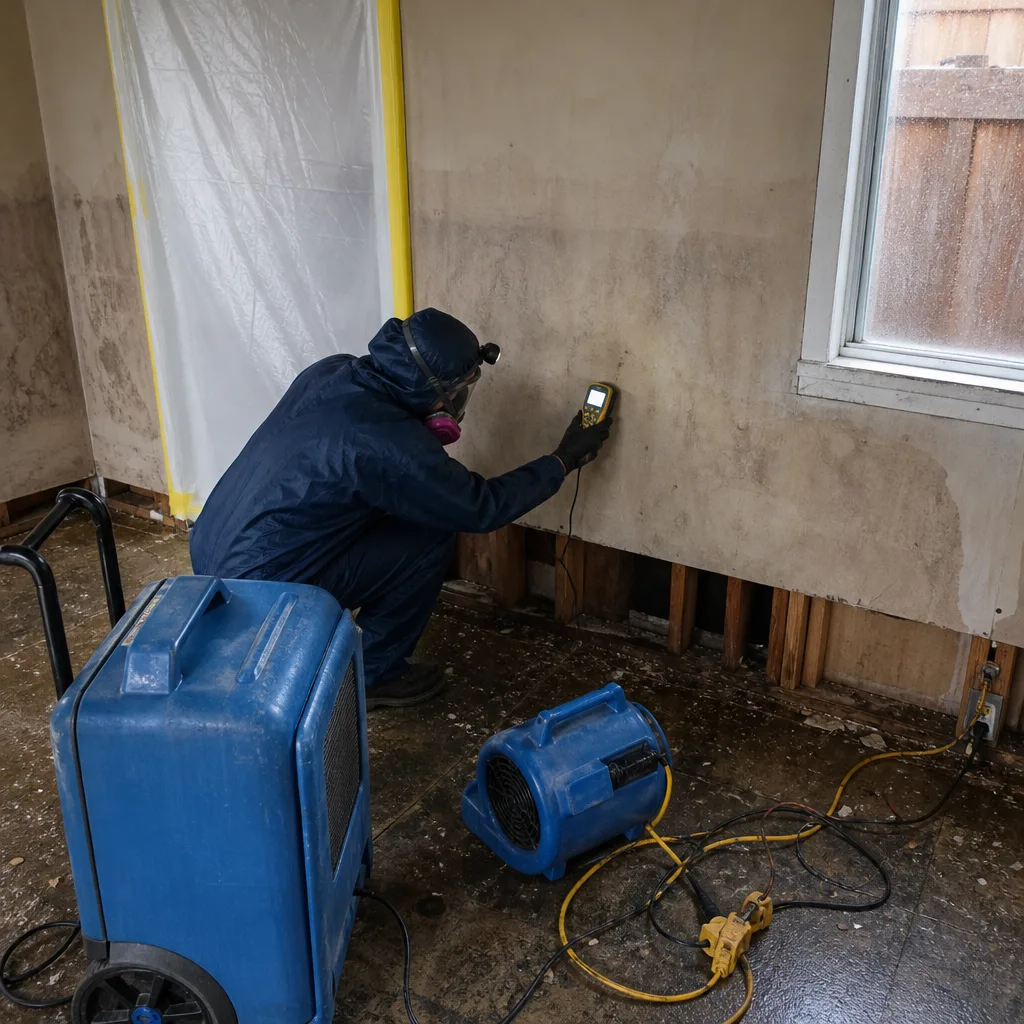 Before
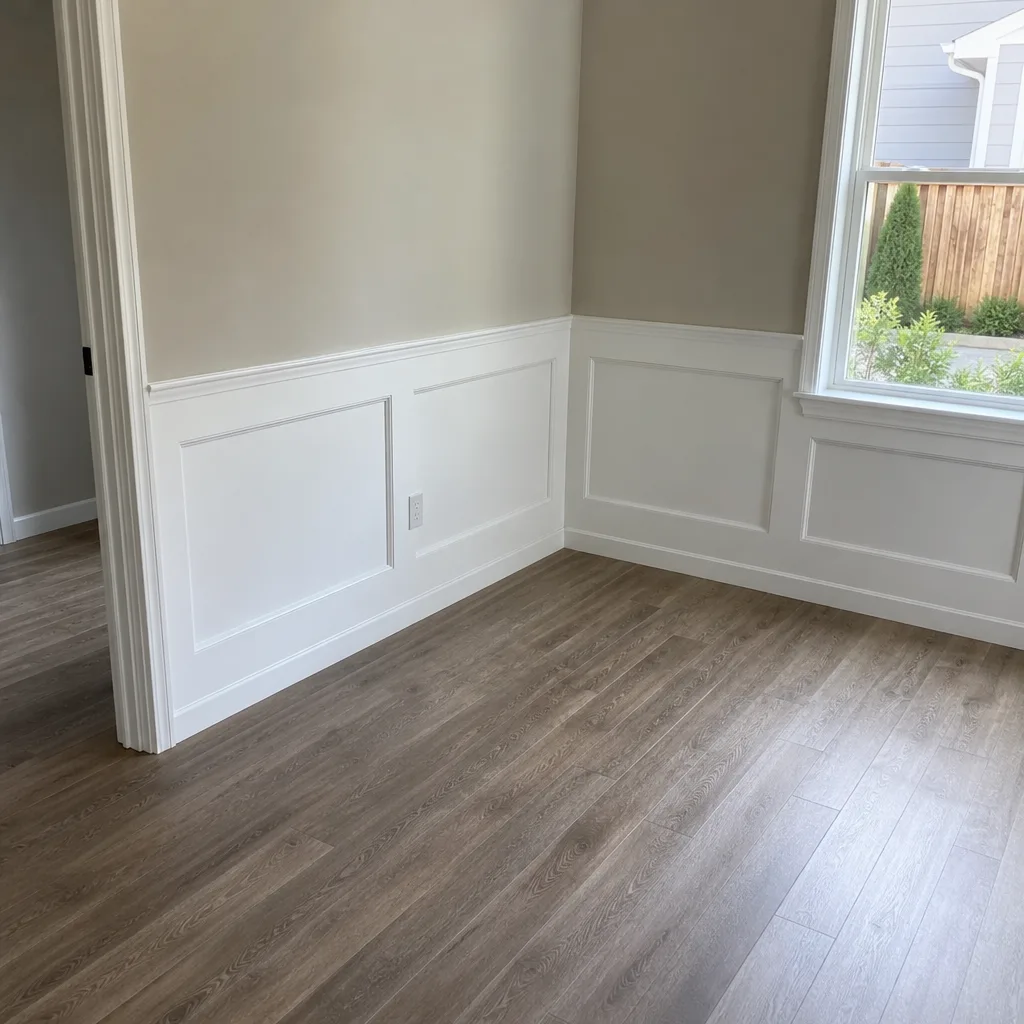 After
After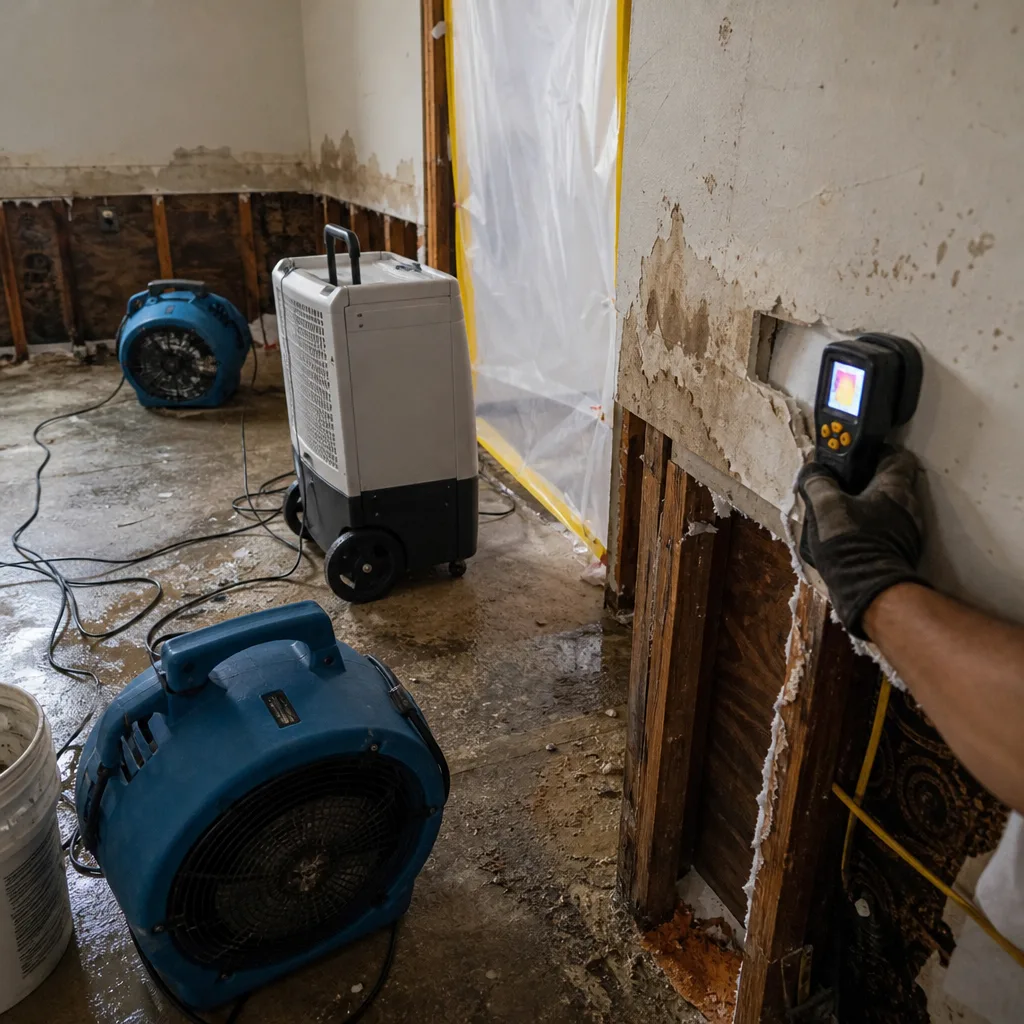 Before
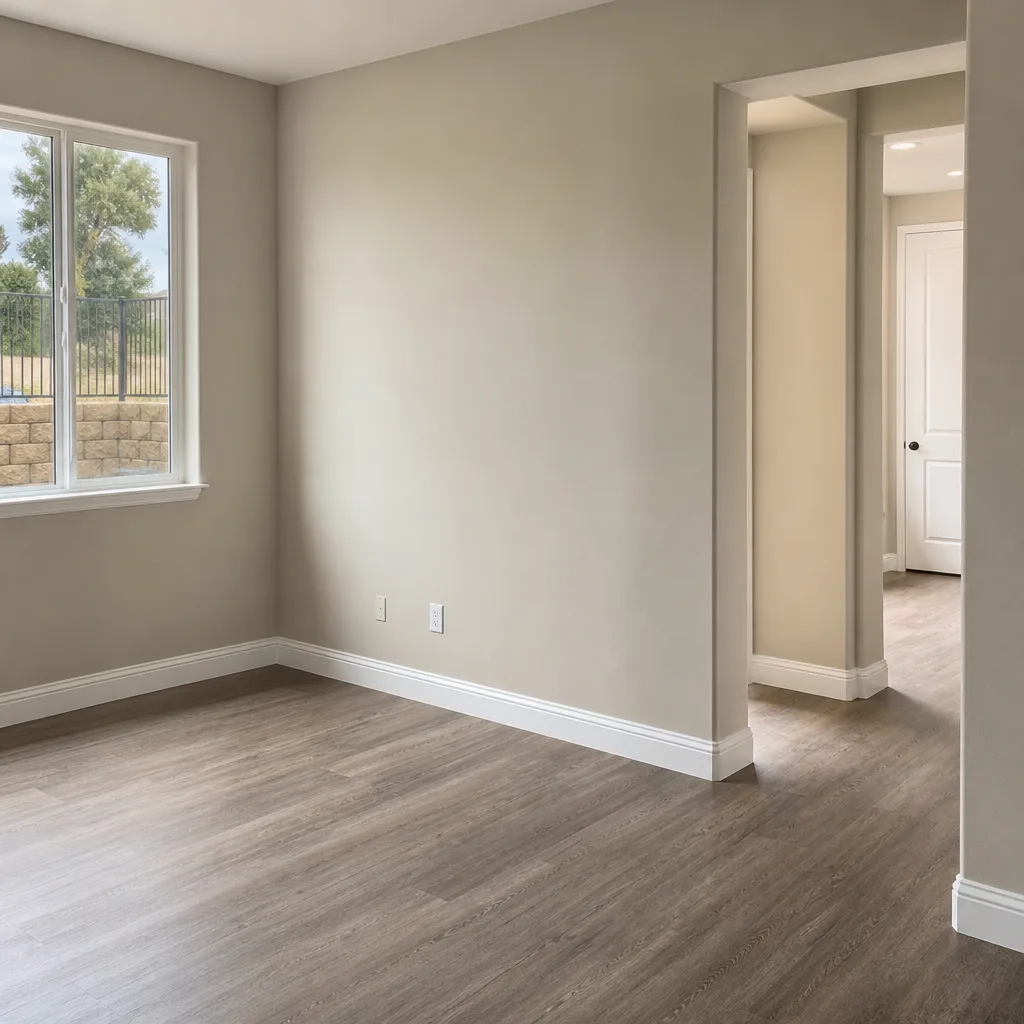 After
After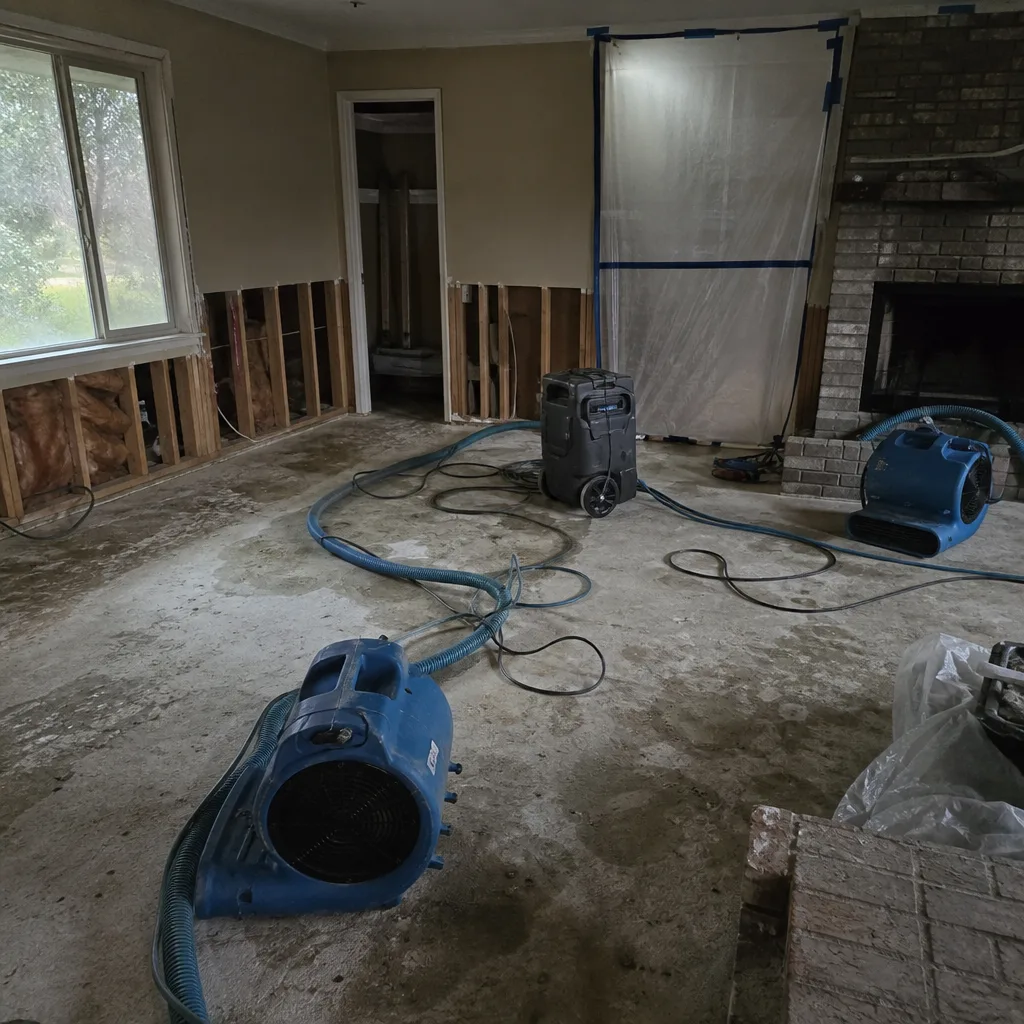 Before
 After
After