
Last updated October 16, 2026
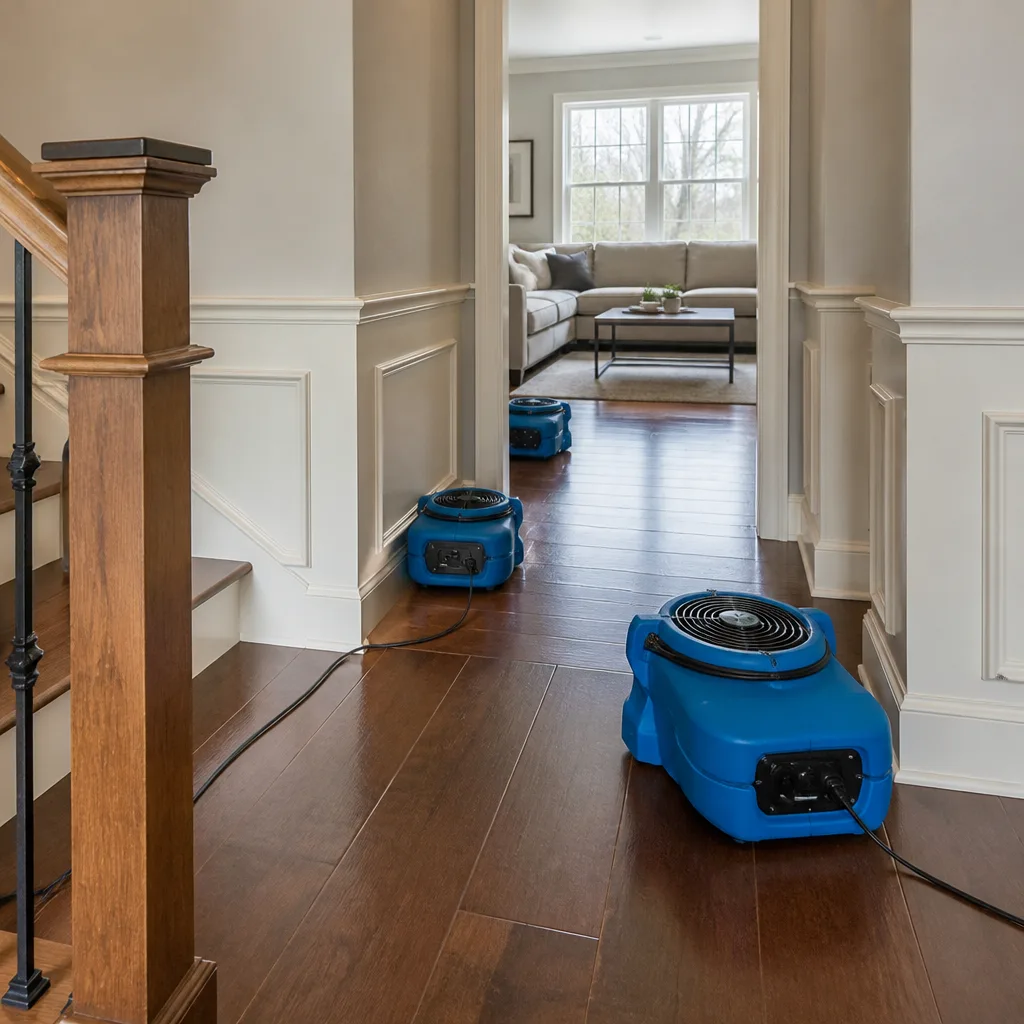 Water damage drying
 Fire & smoke cleanup
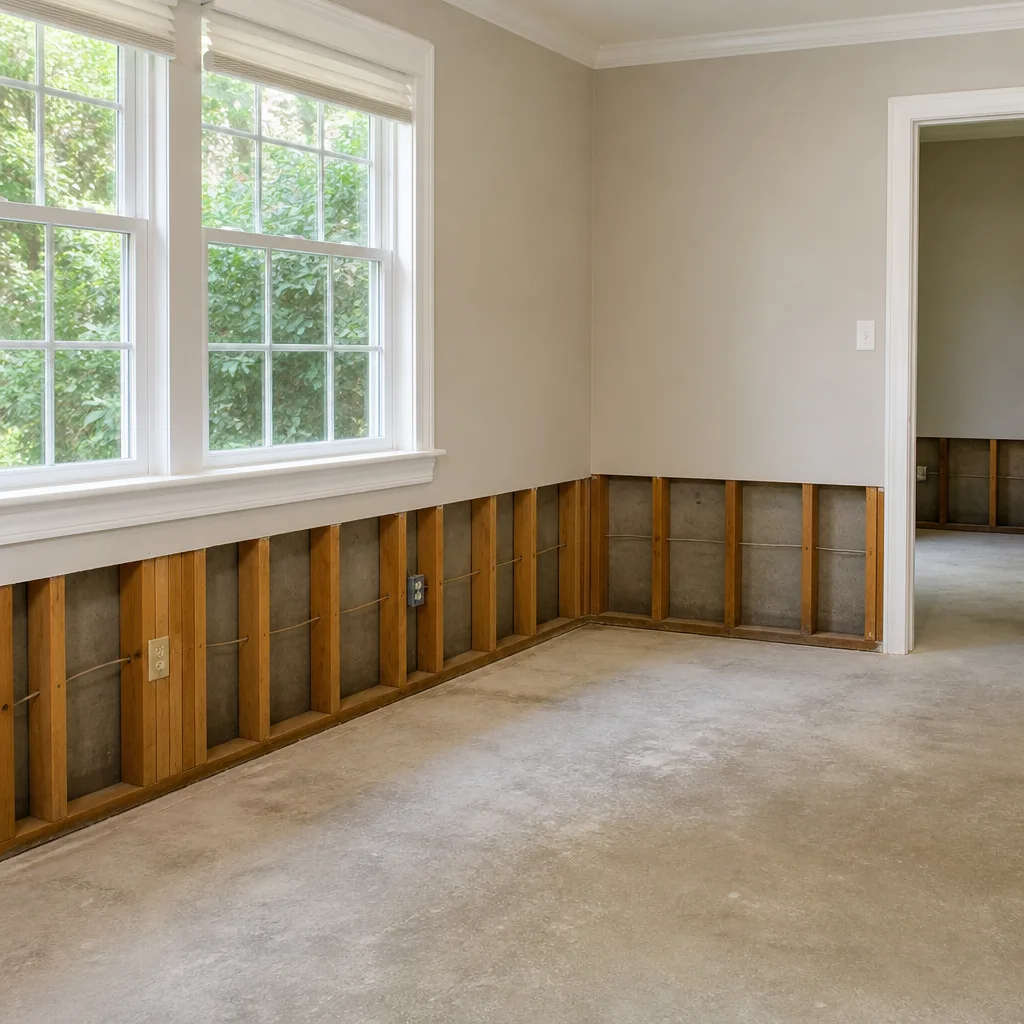 Mold remediation
 Storm response
 Sewage cleanup
 Reconstruction
Free visual inspection and a written scope of work before any mitigation begins - photos, moisture readings, and drying logs go in your claim file
The scope we write is the scope we bill. Anything new gets shown to you, in writing, before we touch it.
Get your free estimateThe Complete Guide to Damage Restoration in Santa Clarita
Here’s a number that catches most Santa Clarita homeowners off guard: the typical window between discovering water damage and calling a restoration company is three to five hours. That gap is long enough for mold spores to begin colonizing drywall, baseboards, and insulation. It’s also long enough for a small leak behind a Canyon Country bathroom vanity to become a multi-room drying project. This guide and our more guides & resources exist so you never make decisions from a place of panic. We’ll walk through exactly how restoration works in Santa Clarita, what it costs, how insurance fits in, and the specific things about this valley that change how homes fail. By the time you finish reading, you’ll know more about the process than most people learn during an entire claim.
Quick Answer
Damage restoration in Santa Clarita is the process of removing water, drying the structure, eliminating mold risk, and rebuilding damaged materials. Most residential water extractions in this area run between $1,800 and $4,500, while full mold remediation averages $2,500 to $6,000 depending on square footage. A competent restoration company in Santa Clarita will document every step, provide a written price before work starts, and coordinate directly with your insurance adjuster.
Restoration work we handle
Table of Contents
- How Damage Restoration Actually Works: The 5 Phases
- What Makes Santa Clarita Damage Different
- What Restoration Costs in Santa Clarita
- Psychrometric Drying Explained in Plain English
- Insurance, Assignment of Benefits, and Keeping Control
- The Written Commitments Every Work Order Needs
- How to Choose a Restoration Company
- Common Mistakes to Avoid
- When to Call a Professional
- Frequently Asked Questions
How Damage Restoration Actually Works: The 5 Phases
Restoration is not one thing. It’s a sequence of five distinct phases, and each one has a specific purpose. Understanding this sequence before you need it means you’ll recognize whether a contractor is skipping steps or doing them out of order, which happens more than it should in Santa Clarita’s competitive restoration market.
When we respond to a water damage call in Valencia or Saugus, here’s the roadmap we follow, and the roadmap any competent company should be able to explain to you before they touch a single wall.
Phase 1: Emergency Mitigation
This is the stop-the-bleeding stage. The first goal is to stop the source of water. If a supply line burst behind a wall, the water gets shut off at the fixture or the main. If a water heater failed in a Newhall garage, we isolate it. If storm water is entering through a failed seal, we contain the entry point as best as conditions allow. Once the source is stopped, extraction begins. Commercial extractors pull standing water from flooring, carpet, and hard surfaces. The equipment we run on Santa Clarita jobs comes from Dri-Eaz and Phoenix, two manufacturers that set the standard for commercial-grade extraction. These machines pull water at volumes a shop vac cannot touch.
Your responsibility during this phase: provide access, point out any water you’ve noticed in areas the technician hasn’t reached yet, and keep children and pets away from wet areas and running equipment.
Phase 2: Structural Drying
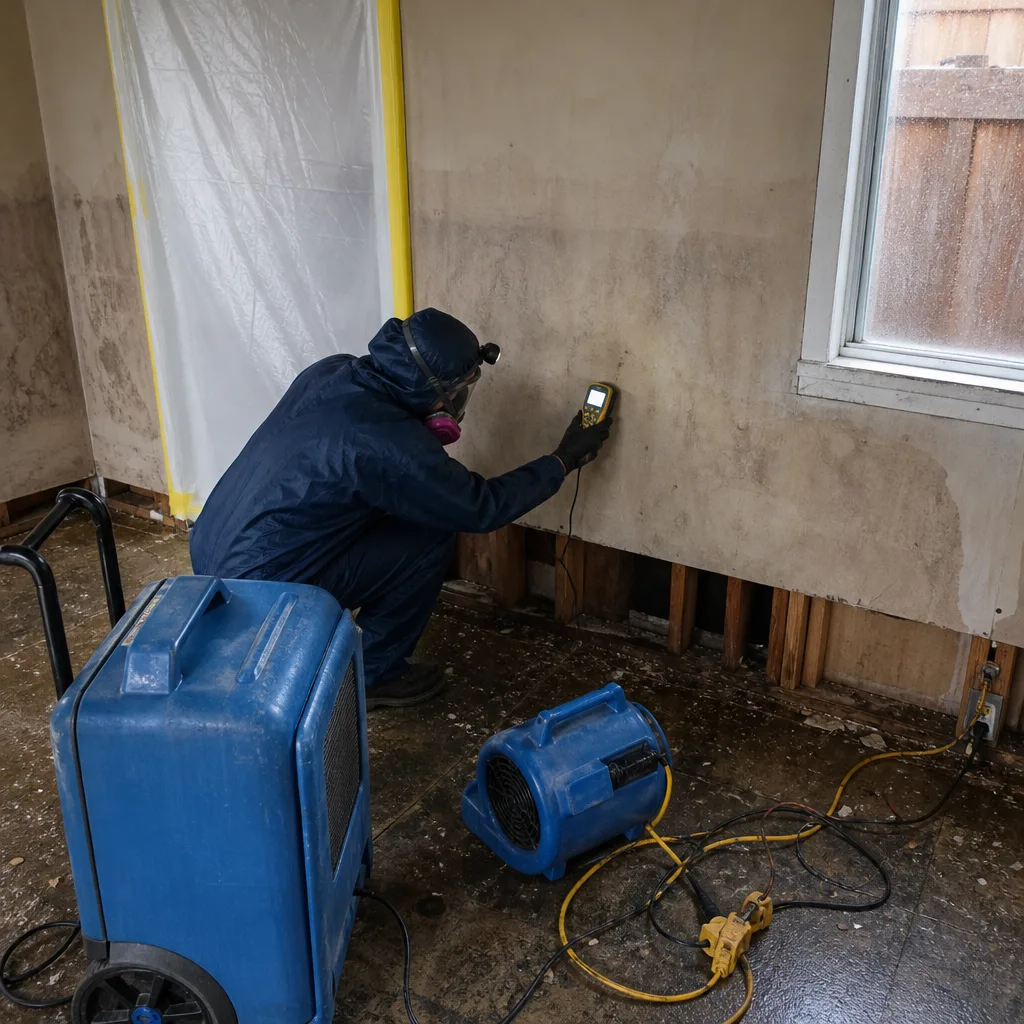
After extraction, the structure is still wet. Water has wicked into drywall, behind baseboards, under tile, into subfloor, and up into wall cavities. Structural drying is where science takes over. Technicians place air movers and dehumidifiers in a calculated layout designed to create airflow across every wet surface and pull moisture from the air. This is not “put fans on it and wait.” It’s a measured process involving moisture readings taken daily, adjusted equipment placement, and a specific drying target based on the materials involved.
Your responsibility: leave the equipment running. Do not turn off air movers at night. Do not close doors to rooms that are being dried. The drying plan assumes continuous operation. Turning equipment off adds days to the project.
Phase 3: Controlled Demolition
Some materials cannot be dried and must be removed. Drywall that has been saturated for more than a few hours loses structural integrity. Insulation in a wet wall cavity becomes a mold host. Carpet pad sitting in contaminated water is a loss. Demolition in restoration is not the same as demolition in remodeling. It’s surgical. We cut away only what cannot be saved, preserving as much of the original structure as possible. We photograph everything before, during, and after removal. This documentation matters for insurance.
Your responsibility: review the scope of demolition before it starts. A written scope should tell you exactly which walls, floors, and materials are coming out, and why.
Phase 4: Rebuild
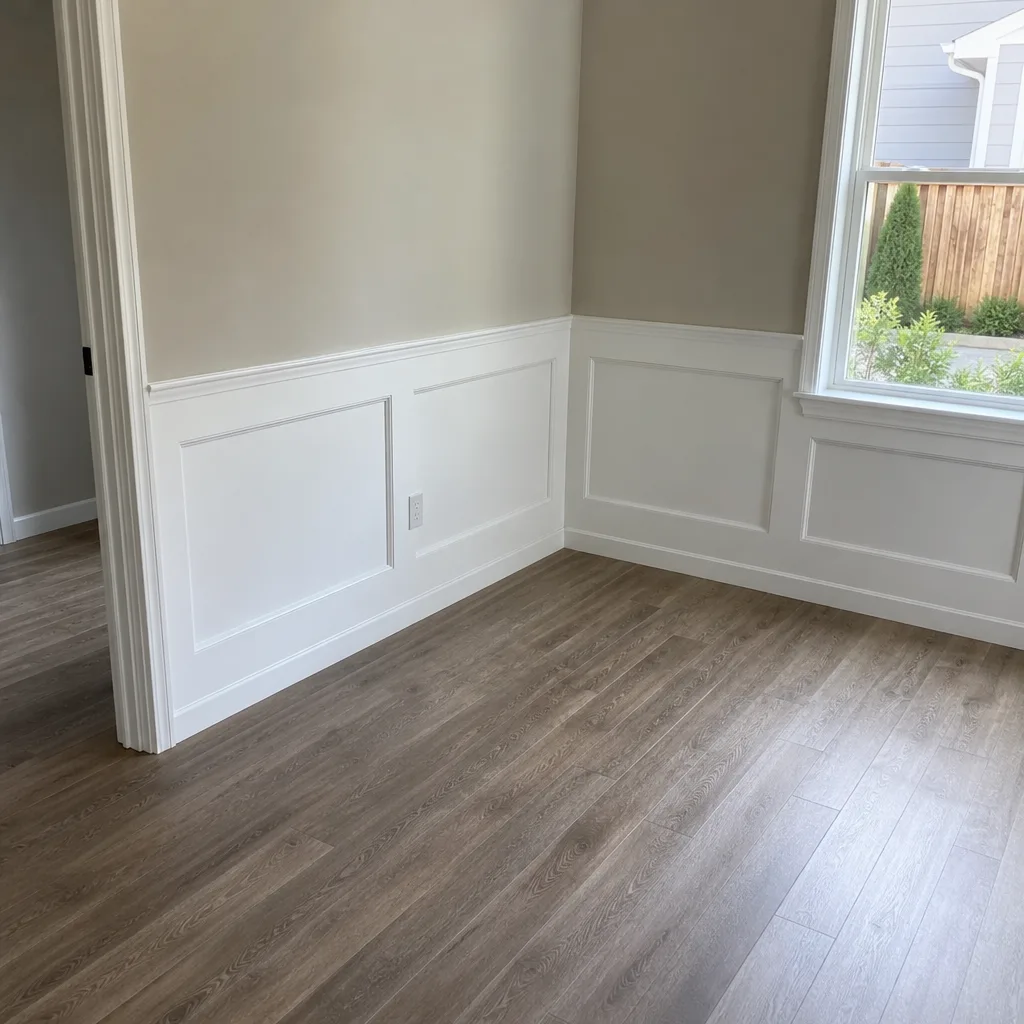
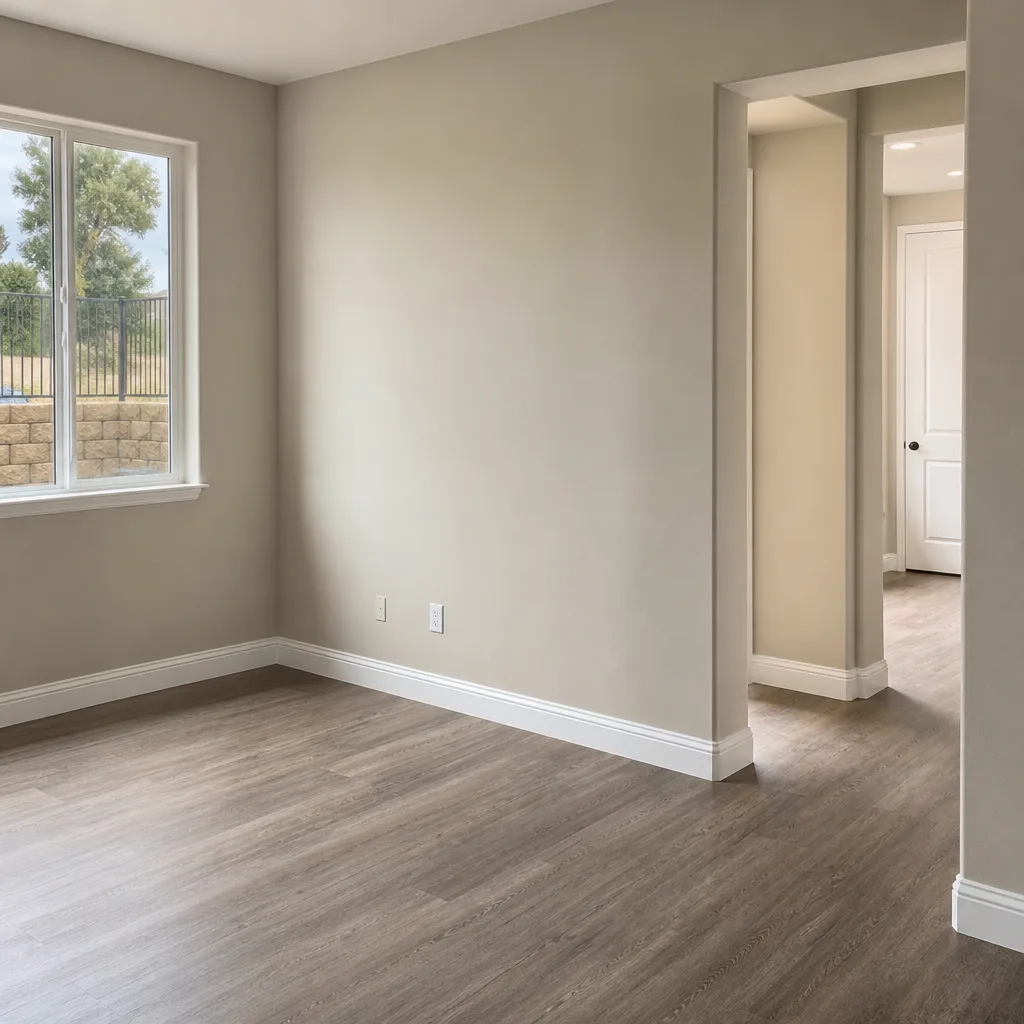
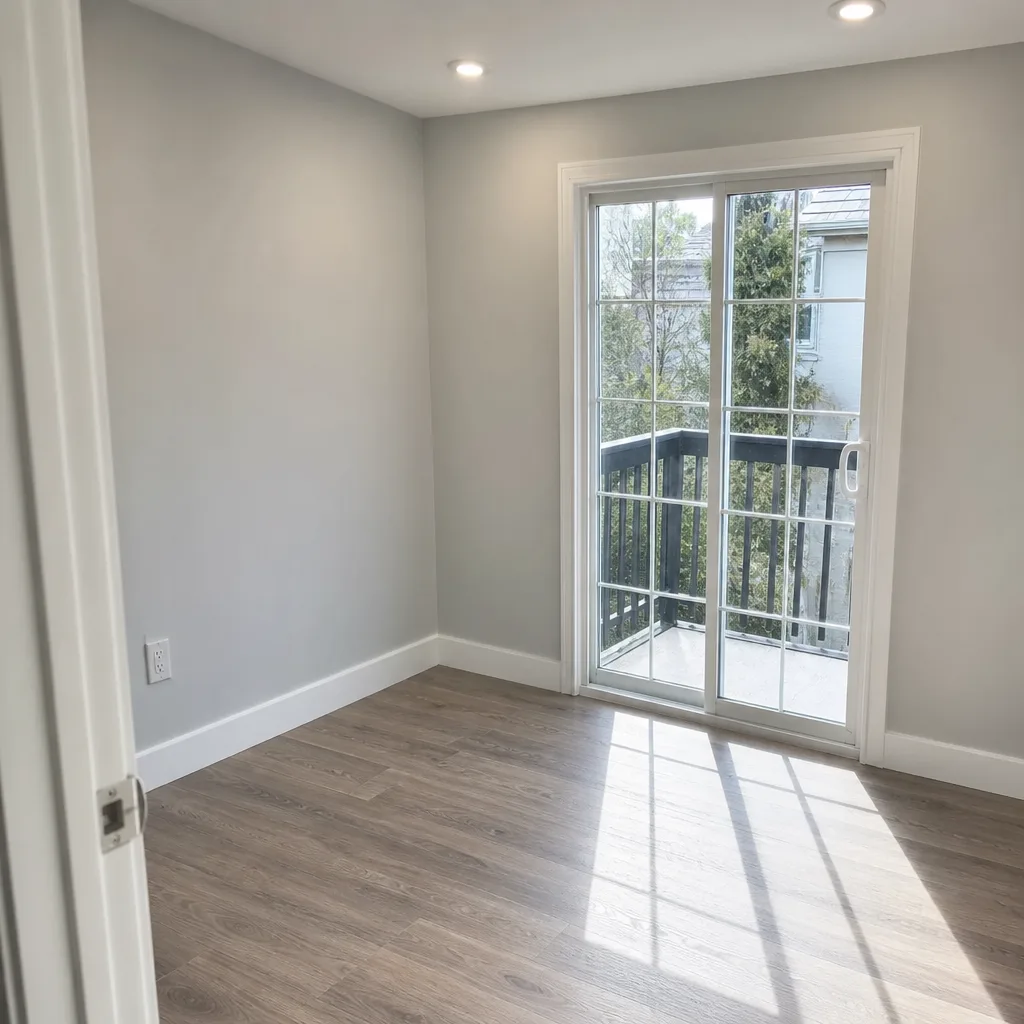
Once the structure is dry and the contaminated materials are gone, reconstruction begins. This is where restoration shifts from emergency response to construction. Drywall goes back up, flooring gets replaced, paint goes on. The rebuild phase is scoped, scheduled, and priced like any other construction project. No reputable company promises same-day rebuild work. It’s planned, permitted where required, and done in sequence.
Your responsibility: make finish selections promptly (paint color, flooring material, trim style) so the schedule doesn’t stall. Delays in selection are the most common reason rebuild timelines stretch.
Phase 5: Final Inspection
The last phase is verification. Moisture readings confirm the structure is genuinely dry, not just dry on the surface. The rebuild work is inspected for quality. The guarantee is issued in writing. At Marsh Water Damage Santa Clarita, this is where the 365-Day Done Right Promise gets documented on the work order. If anything fails within a year, a second visit is scheduled automatically. No argument, no negotiation.
Your responsibility: ask for the final moisture readings. A real restoration company will show them to you. If they won’t, that tells you something.
What Makes Santa Clarita Damage Different
Santa Clarita has damage patterns that national restoration guides never mention. We’ve spent two decades responding to homes throughout this valley, and the failures here follow a local logic. Understanding it helps you recognize risks in your own house before they become emergencies.
Hard Water from the Santa Clara River Watershed
Santa Clarita’s water supply comes largely from local wells and the Santa Clara River watershed, and it is hard water by any measure. We see the evidence in every home we open up: mineral scale caked inside copper pipes, corroded fittings, pinhole leaks that start as a faint drip inside a wall and run for weeks before anyone notices. Hard water shortens the lifespan of supply lines, angle stops, and water heater tanks. In Canyon Country, where many homes were built during the tract-home boom of the 1980s and 1990s, we routinely find original copper supply lines that have thinned from the inside. These are not dramatic failures. They’re slow, hidden, and destructive.
If your home in Santa Clarita is more than twenty years old and you have not replaced your angle stops, that’s a risk worth addressing before a failure makes the decision for you.
Older Tract-Home Plumbing Patterns
Canyon Country and Newhall have neighborhoods where entire blocks were built by the same developer, with the same plumbing layouts, and now with the same aging systems. We see clusters of similar failures: polybutylene supply lines in homes built during certain years, galvanized steel in others, and water heater platforms that were never properly drained. When a plumbing material has a known failure pattern, it doesn’t fail one house at a time. It fails a neighborhood at a time.
Heat-Driven Sprinkler and Landscape Leaks
Santa Clarita summers regularly exceed 100 degrees. That heat stresses landscape irrigation systems, and failed sprinkler valves near a foundation can saturate the soil and wick moisture into a slab or stucco wall. We’ve responded to water damage that originated from a broken sprinkler head outside a Saugus home, traveled through the exterior stucco, and emerged as damp drywall inside the master bedroom. Homeowners assume it’s a roof leak. It’s often not.
Santa Ana Wind Events and Storm Damage
When Santa Ana winds arrive, they bring wind-driven rain that exploits any weakness in roofing, flashing, or window seals. A 40 mph gust against a roof edge is not the same as ordinary rain. We see fascia damage, lifted shingles, and skylight seal failures concentrated in the hill-adjacent neighborhoods of Valencia and the exposed ridgelines of Stevenson Ranch after every notable Santa Ana event. This is the moment when a roof that was “fine” for years suddenly isn’t. Homes facing open canyons get hit hardest. Wind finds every gap.
For more on this specific failure pattern, our Storm Damage Restoration in Santa Clarita page covers Santa Ana wind damage, wind-driven rain, and how we respond when storms hit the SCV.
What Restoration Costs in Santa Clarita
Restoration pricing in Santa Clarita is more predictable than most contractors want you to believe. Every job is different, but the cost drivers are the same: how much water, how long it sat, what materials absorbed it, and how much needs to be removed. Here are the ranges we see across this market.
Typical Cost Ranges
- Water extraction only (no drying): $400 – $900 for a single room, $900 – $2,200 for multiple rooms or a full floor.
- Extraction plus structural drying: $1,800 – $4,500 for a typical single-source leak (supply line, water heater, appliance).
- Category 3 water (sewage or exterior flooding): $4,000 – $12,000+ due to more extensive demolition and sanitization requirements.
- Mold remediation: $2,500 – $6,000 for contained areas of 100 – 300 square feet; larger colonizations run higher.
- Rebuild and reconstruction: $3,000 – $25,000+, entirely dependent on the scope of demolition and the finishes you choose.
These are real-world figures for this market. A company that quotes far below these ranges is either skipping steps or planning to bill your insurance for “unforeseen conditions” after demo starts. A written price before work begins is the only protection against that. We issue one on every job, including our Water Damage Restoration in Santa Clarita work. No equipment gets unloaded until the scope and price are on paper.
Psychrometric Drying Explained in Plain English
Psychrometric drying sounds technical. It is. But the concept is simple enough that any homeowner can understand it, and any contractor should be able to explain it to you in two minutes. If they can’t, that’s a red flag.
The word “psychrometric” refers to the relationship between heat, airflow, and the moisture content of air. In restoration, psychrometric drying means controlling those three variables to pull moisture out of wet materials without destroying them. Here’s how each piece works:
- Heat: Warm air holds more moisture than cold air. Raising the temperature in a drying chamber increases how much water the air can absorb from wet surfaces. We measure this with a psychrometer (a device that reads air temperature and relative humidity) and adjust equipment heat output accordingly.
- Airflow: Air movers create turbulence across wet surfaces. The moving air strips away the thin boundary layer of humid air that sits on top of wet drywall or subfloor, replacing it with drier air that can absorb more moisture. Without airflow, drying stalls even with dehumidifiers running.
- Dehumidification: Dehumidifiers pull moisture from the air and collect it as water. In a closed drying chamber, this is what actually removes the water from the structure. For every gallon we extract, several more gallons leave the home through the dehumidifier’s collection system.
The tell that your contractor is doing psychrometric drying correctly: they take daily moisture readings with a penetrating moisture meter, they document those readings, and they adjust equipment placement based on what the readings show. “Leave the fans running and call us in a week” is not drying science. It’s hope.
The equipment matters too. We run Dri-Eaz and Phoenix dehumidifiers on our Santa Clarita jobs because these are the units engineered for tight control over grain depression (the humidity difference between the air and the wet surface). XPOWER air movers provide the high-velocity airflow that structured drying layouts depend on. This is the same equipment used on large commercial losses, sized down for residential applications. It’s overkill for a small spill and exactly right for a wall cavity that’s been wet for three days.
Insurance, Assignment of Benefits, and Keeping Control
Insurance is in the room on almost every restoration job in Santa Clarita, even when nobody says the word out loud. Here’s what you need to know to keep decision-making power in your hands.
How Restoration Billing Works with Insurance
Most restoration companies bill your insurance carrier directly. They document the damage with photos and moisture readings, submit a scope of work to your adjuster, and negotiate the settlement. This is standard practice and it works well when the company is honest. The risk comes not from billing insurance, but from a specific arrangement called an Assignment of Benefits, or AOB.
What an AOB Does (and Why to Be Careful)
An Assignment of Benefits is a document you sign that transfers your insurance claim rights to the restoration company. After you sign, the company negotiates directly with your insurer and collects payment directly. You are no longer in the conversation. The problem: some companies use AOBs to inflate scope, dispute legitimate denials, and create billing situations that drag on for months. You signed away your leverage, and now you’re watching a fight you can’t control.
You do not need to sign an AOB to get your home restored. You can keep the claim in your name, direct the process yourself, and have the contractor communicate with your adjuster while you stay informed at every step. If a company pressures you to sign an AOB before they’ll start work, that’s information. Let it guide your decision.
What to Say to Keep Control
Three sentences that protect you:
- “I’m keeping the claim in my name. You can bill my insurer directly, but I’m not signing an assignment.”
- “Show me the written scope before any demolition starts.”
- “Send me every photo and moisture reading you take. I want them in my own file.”
Any legitimate restoration company will agree to all three without hesitation. We photograph every stage of our jobs in Santa Clarita and provide that documentation to homeowners and adjusters alike. It’s not a special request. It’s how the work should be done.
The Written Commitments Every Work Order Needs
Before a single piece of equipment enters your home in Santa Clarita, three things should be written down and signed. Not promised verbally. Printed. Here they are:
- A written price. The full scope of work, itemized, with a dollar figure attached. If a company cannot give you a written price before demo starts, they are not confident in their own estimate process. We’ve seen competitors in this market who “discover” new damage after walls come down and the price doubles. A written price before work starts eliminates that. Every Marsh Water Damage Santa Clarita job has one. It’s not a policy. It’s a printed commitment on the work order.
- A written guarantee. The guarantee should state exactly what’s covered and for how long. Ours says this: if the repair is not right within 365 days, we make it right. A free second visit is included automatically. This is the 365-Day Done Right Promise, and it’s stamped on every work order, with the date. If a restoration company won’t put their guarantee in writing, assume they don’t have one.
- Technician identity. You should know who is coming before they arrive. The Threshold Verified standard, which we follow on every visit, means each technician is background-checked, identity-verified, and sent to you by name and photo before they show up. At the door, they present a photo ID badge. No exceptions. This standard exists because we understand the anxiety of opening your door to a crew you’ve never met, and we decided that anxiety should be structurally eliminated, not just verbally reassured away.
If a company balks at any of these three written commitments, that’s your answer. There are enough restoration companies in this valley that you can choose one that operates transparently.
How to Choose a Restoration Company in Santa Clarita
You’re making this decision under pressure, but it’s still a decision. Here’s the filter we’d recommend to a neighbor, a family member, or anyone standing in a wet kitchen at 11 p.m. in Valencia.
The Five-Question Filter
- Who answers the phone? Water damage does not respect business hours. A burst supply line at 2 a.m. is a live emergency. Marsh Water Damage Santa Clarita has a live person answering calls 24 hours a day, 7 days a week, including holidays. Not a voicemail. Not a callback queue. A person. This matters because the first hour of a water loss shapes the entire project. If you leave a message and wait, the water keeps moving.
- Who is showing up? Ask for the technician’s name and photo before they arrive. A company with a verification standard will say yes. Our Threshold Verified protocol sends you the technician’s name and photo before the visit, and they show a photo ID badge at the door. Every visit, not just the first one.
- What training do the techs have? The restoration industry has recognized credentialing bodies: the IICRC (Institute of Inspection, Cleaning and Restoration Certification), the RIA (Restoration Industry Association), and the IFA (Institute of Inspection, Cleaning and Restoration Certification’s flooring arm). Our team holds credentials from these organizations. If a company cannot name its certifications, it doesn’t have any.
- What equipment are they using? Commercial-grade drying equipment from Dri-Eaz, Phoenix, and XPOWER is the standard. If a crew shows up with household fans and a rented dehumidifier from a hardware store, they’re not doing restoration. They’re doing housekeeping.
- What’s in writing? Price, guarantee, scope. All written. Before any work starts. This is the single most predictive factor for how the project will go.
Our Water Damage Restoration in Santa Clarita service page walks through our process step by step if you want to see what this looks like in practice.
Common Mistakes to Avoid
- Waiting to call. We said it in the opening and we’ll say it again: three to five hours is the typical delay, and it’s long enough for mold colonization to begin on porous materials. Every hour of standing water expands the damage radius and the final bill.
- Turning off the drying equipment. Air movers are loud. The temptation to turn them off at night is real. Don’t. The drying plan assumes continuous operation, and interrupting it adds days to the project and increases the risk of secondary damage.
- Signing an Assignment of Benefits without understanding it. You’re transferring control of your claim to a contractor. Sometimes that’s fine. Often it’s not. Read the document. Ask what happens if you don’t sign it. Keep your leverage.
- Accepting a verbal price. If it’s not written down, it doesn’t exist. Verbal estimates in this industry have a way of growing after demolition reveals “unforeseen conditions.” A written scope is the only meaningful protection.
- Ignoring the source of the water. Fixing the damage without fixing the source means you’ll be doing this again. In Santa Clarita, hard water pinhole leaks in copper supply lines are a repeat offender. Find the source. Fix the source. Then dry the damage.
- Choosing based on who arrives fastest. Speed matters, but it’s not the only variable. A fast crew with no written price, no guarantee, and no verification standard is not a bargain. They’re a risk you’re paying to take.
- Skipping the final moisture readings. Drywall can feel dry on the surface and still be wet inside. Ask for documented moisture readings before anyone calls the job done. This is the verification that separates real drying from surface-level drying.
When to Call a Professional
Some damage is a DIY project. A small spill on a tile floor, wiped up in minutes, is not. But here’s when you call a restoration company in Santa Clarita, without hesitation: water has been sitting for more than a few hours; water has wicked into drywall, baseboards, or flooring; the water source is a sewer backup or exterior flooding; you smell mustiness that started after a leak; visible mold is present on any porous surface; or a storm event has opened part of your home to the elements. In any of these scenarios, professional equipment and training change the outcome. Marsh Water Damage Santa Clarita offers free estimates throughout Santa Clarita. Call (661) 347-1348 and a live person will answer.
Frequently Asked Questions
Most residential water extractions with structural drying in Santa Clarita run between $1,800 and $4,500. Mold remediation typically lands between $2,500 and $6,000, and rebuild work ranges from $3,000 to $25,000 or more depending on scope. These figures reflect our market, where hard water failures and aging tract-home plumbing drive recurring patterns. Call (661) 347-1348 for a written estimate specific to your home.
Most standard homeowner policies cover sudden and accidental water damage, such as a burst supply line or a failed water heater. Gradual damage from a slow leak is often denied. Sewer backup coverage depends on your specific policy and often requires a separate rider. We coordinate directly with adjusters and provide photo documentation for every claim, but the coverage decision belongs to your insurer.
In Santa Clarita, a responsive restoration company should have a crew at your door within a few hours of your call. Marsh Water Damage Santa Clarita answers calls 24/7 with a live person, and our response window for emergency water extraction is typically under two hours for most Santa Clarita neighborhoods. The speed matters because mold colonization begins within 24 to 48 hours on wet porous materials.
If the affected area is small (under 10 square feet) and the water source was clean, a thorough cleaning with an antimicrobial treatment may suffice. Beyond that, or if the water was contaminated (sewage, exterior flooding), professional remediation is the safe call. Mold that appears on one side of a wall often has a larger colony on the back side. Our Mold Remediation in Santa Clarita page explains when remediation is genuinely necessary and when it isn’t.
You can, and should, stay in control of your claim. A legitimate restoration company will provide documentation and communicate with your adjuster while keeping you informed at every step. You do not need to sign an Assignment of Benefits to get your home restored. If you’d rather have the company handle direct billing, that’s an option, but you should always retain final say over the scope.
Shut off the water source if you can locate it safely. Move valuables and furniture out of the wet area. Do not use a household vacuum on standing water. Do not turn on ceiling fans or HVAC in the affected area, as this can spread moisture and mold spores. Call a restoration company and take photos of everything before anyone moves anything. Then get a written price before any work starts.
Yes. Marsh Water Damage Santa Clarita has served the Santa Clarita Valley since 2005 as the restoration brand of the Threshold Group family. We’re a local operation with deep familiarity with this valley’s specific failure patterns, from Canyon Country’s aging copper supply lines to Valencia’s Santa Ana wind roof damage. See our Marsh Water Damage Santa Clarita home page for more about how we work in this community.
The Bottom Line
Damage restoration in Santa Clarita is a process with defined phases, predictable costs, and specific local failure patterns. Hard water shortens the life of copper supply lines. Santa Ana winds find every gap in roofing. Older tract homes in Canyon Country and Newhall fail in clusters. When damage happens, the single most important decision you make is choosing a company that puts everything in writing: the price, the guarantee, and the identity of the person walking through your door. That’s the standard every homeowner in this valley should demand, and it’s the standard we’ve been meeting since 2005.
Marsh Water Damage Santa Clarita is ready when you need us. Call (661) 347-1348 any hour, any day, and a live person will answer. At the very least, you’ll get a real conversation about what’s happening and what it will take to fix it. If you want us there, we’ll be on our way.
Written by Tobias Reyner, Owner at Marsh Water Damage Santa Clarita, serving Santa Clarita since 2005.
See the difference
 Before
 After
After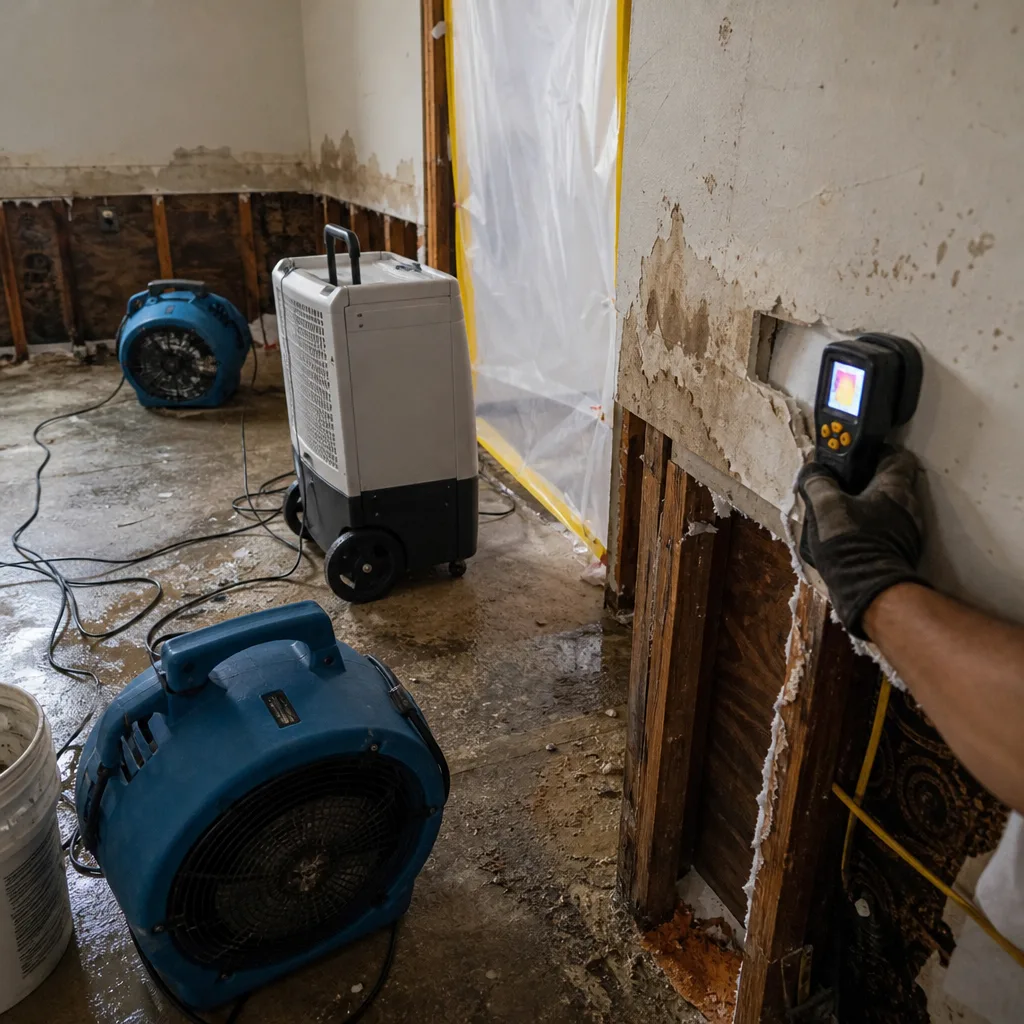 Before
 After
After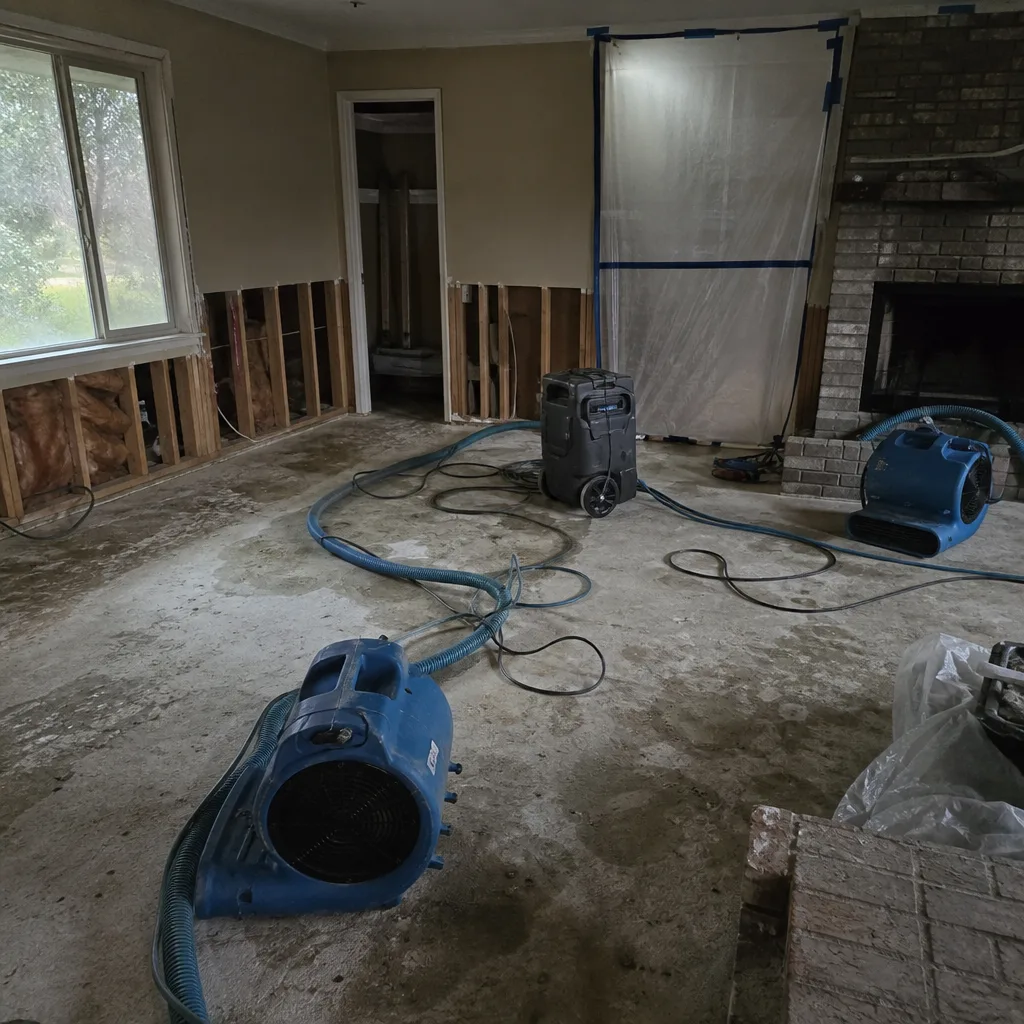 Before
 After
After