
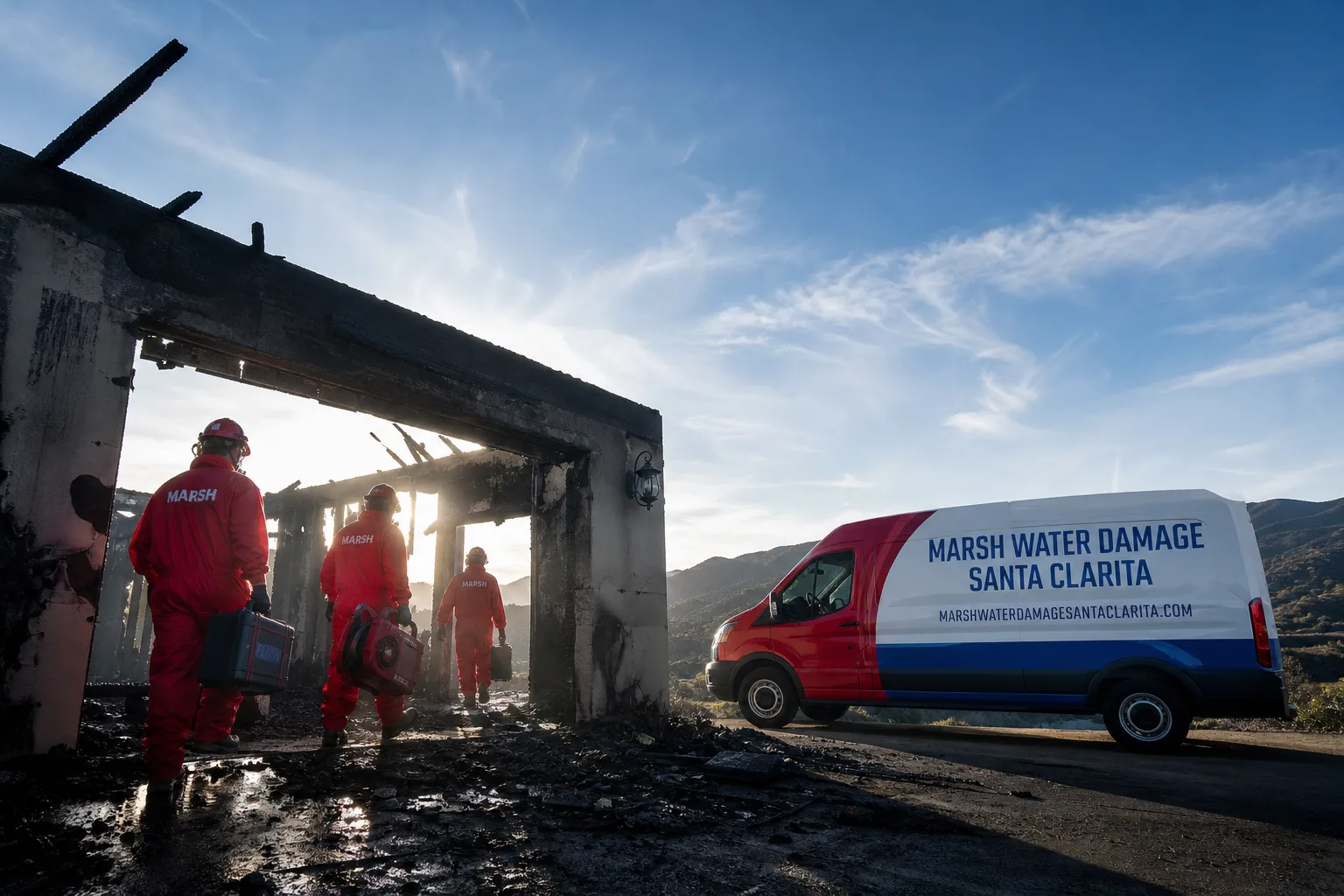
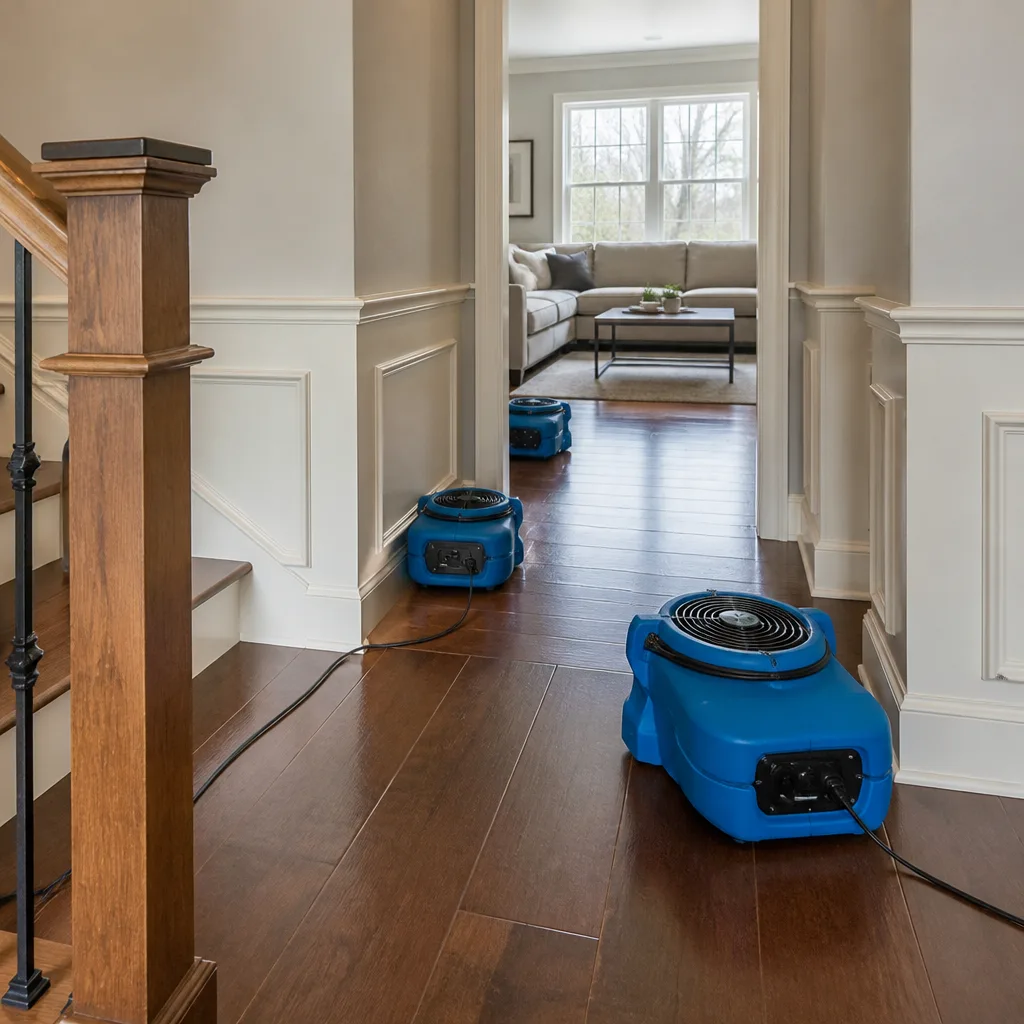
 Water damage drying
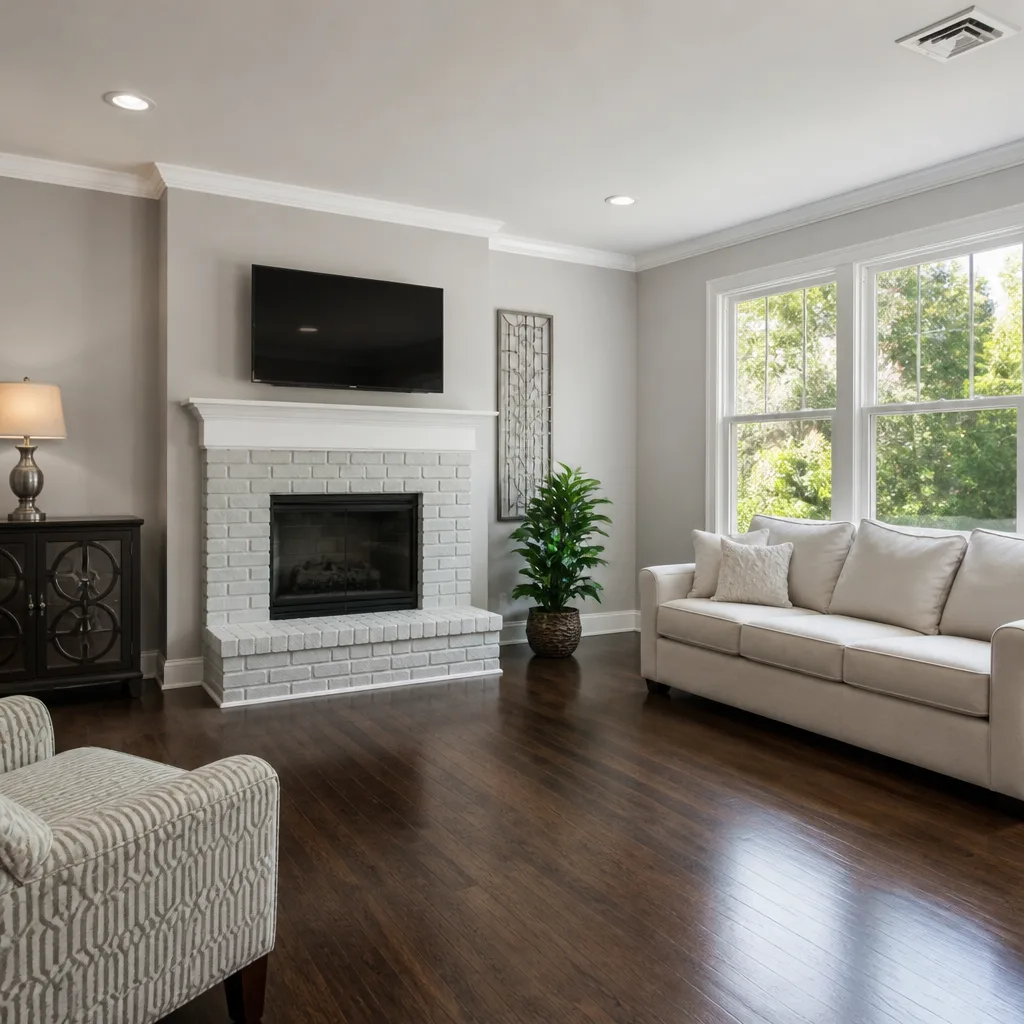 Fire & smoke cleanup
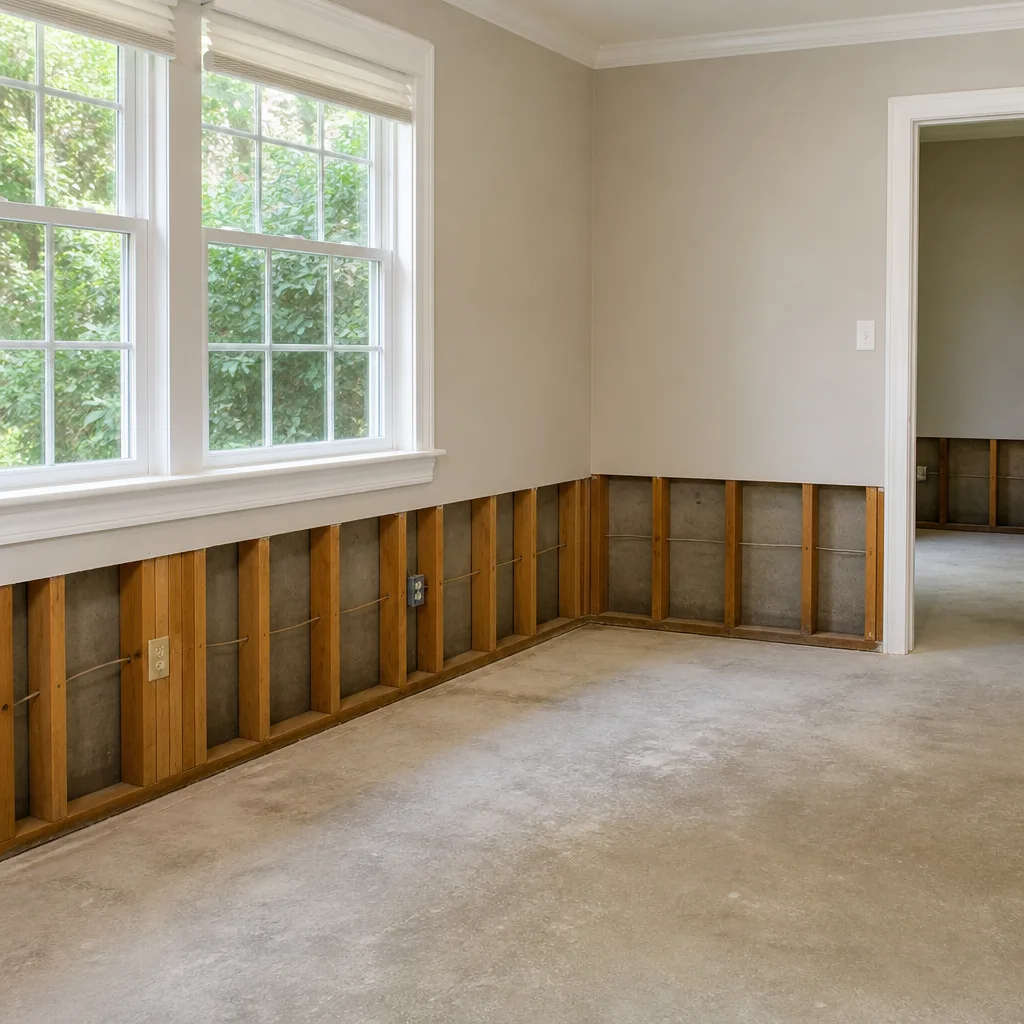 Mold remediation
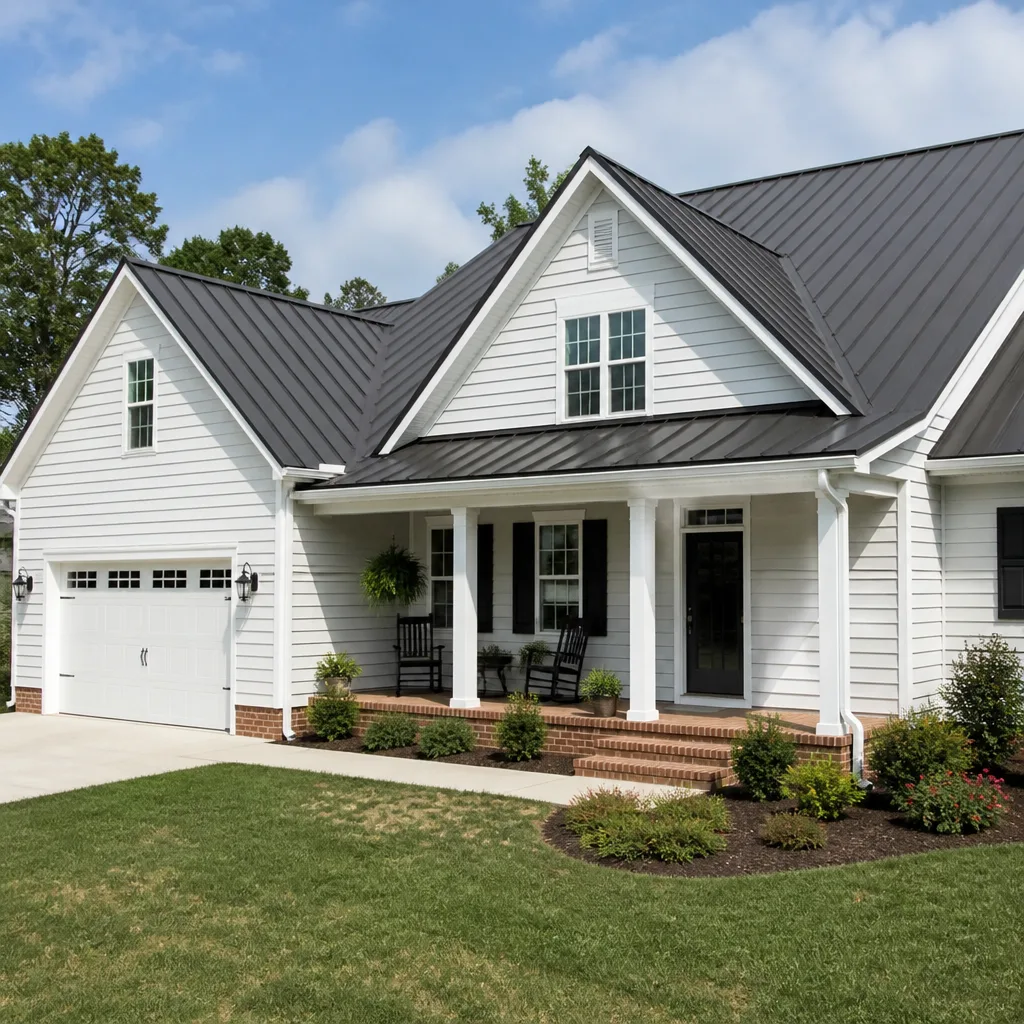 Storm response
 Sewage cleanup
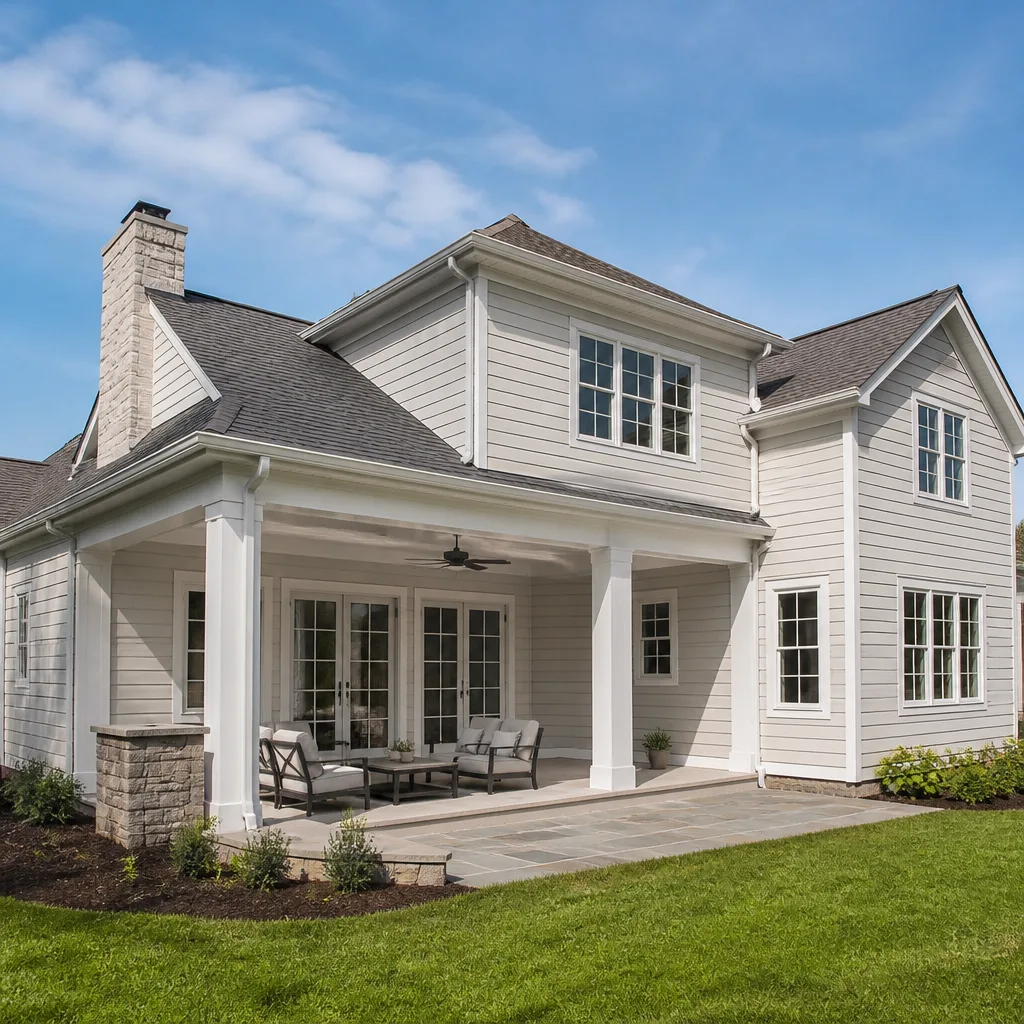 Reconstruction
Free visual inspection and a written scope of work before any mitigation begins - photos, moisture readings, and drying logs go in your claim file
The scope we write is the scope we bill. Anything new gets shown to you, in writing, before we touch it.
Get your free estimateFast, Reliable Storm Damage Restoration Across Reseda
Storm damage restoration in Reseda usually means one of three things: water in the slab, water in the walls, or water coming through the roof. Most jobs run between $1,800 and $6,500 depending on how far the water has traveled, and we typically have a crew on-site within 60 to 90 minutes of your call. Reseda’s housing stock has a specific failure pattern we’ve learned to read quickly, because the 1940s-1960s ranch homes here share the same bones: stucco over wood framing, slab-on-grade foundations, and original galvanized plumbing that was never meant to last 70 years. When one of those aging supply lines finally lets go during a winter storm, water doesn’t pool on a crawlspace dirt floor like it would in other parts of the Valley. It saturates the concrete itself. That’s a different kind of job, and it’s the kind we do regularly in Reseda. Call (661) 347-1348 any hour, and a live person picks up. Not a voicemail. We dispatch from our Los Angeles office and crews serve Reseda locally.
Why Marsh Water Damage Santa Clarita Is Reseda’s Preferred Storm Damage Restoration Company
Reseda homeowners tend to be skeptical of restoration crews. Most of us grew up hearing stories about contractors who overpromised, underdelivered, or left a house worse than they found it. That skepticism is earned. Our answer to it is simple: every technician who walks through your door in Reseda is background-checked, identity-verified, and sent to you by name and photo before the visit. Then they show a photo ID badge at the door, every single time. That’s the Threshold Standard, and it’s not a marketing phrase. It’s a five-step protocol built into every job we take. Tobias Reyner, who leads our technical team, has built this company since 2005 on a simple premise: the water in your home and the stranger at your door are two separate problems, and we solve both.
We’re an IICRC-credentialed team running the same equipment large commercial losses use: Dri-Eaz air movers, XPOWER extraction units, Injectidry vacuum panels for slab drying. Most residential crews in the Valley don’t carry Injectidry. In Reseda, where slab water wicks up through drywall and framing, that tool is the difference between a dry house and a house that smells musty three months later. Our reviews from Reseda customers consistently mention the same things: clear pricing before work starts, technicians who explain what they’re doing, and a repair that actually holds. We back every job with a 365-Day Done Right Promise, printed on the work order. If the repair isn’t right within a full year, we come back and make it right, free second visit included. No argument, no fine print.
Restoration work we handle
Storm Damage Cleanup in Reseda
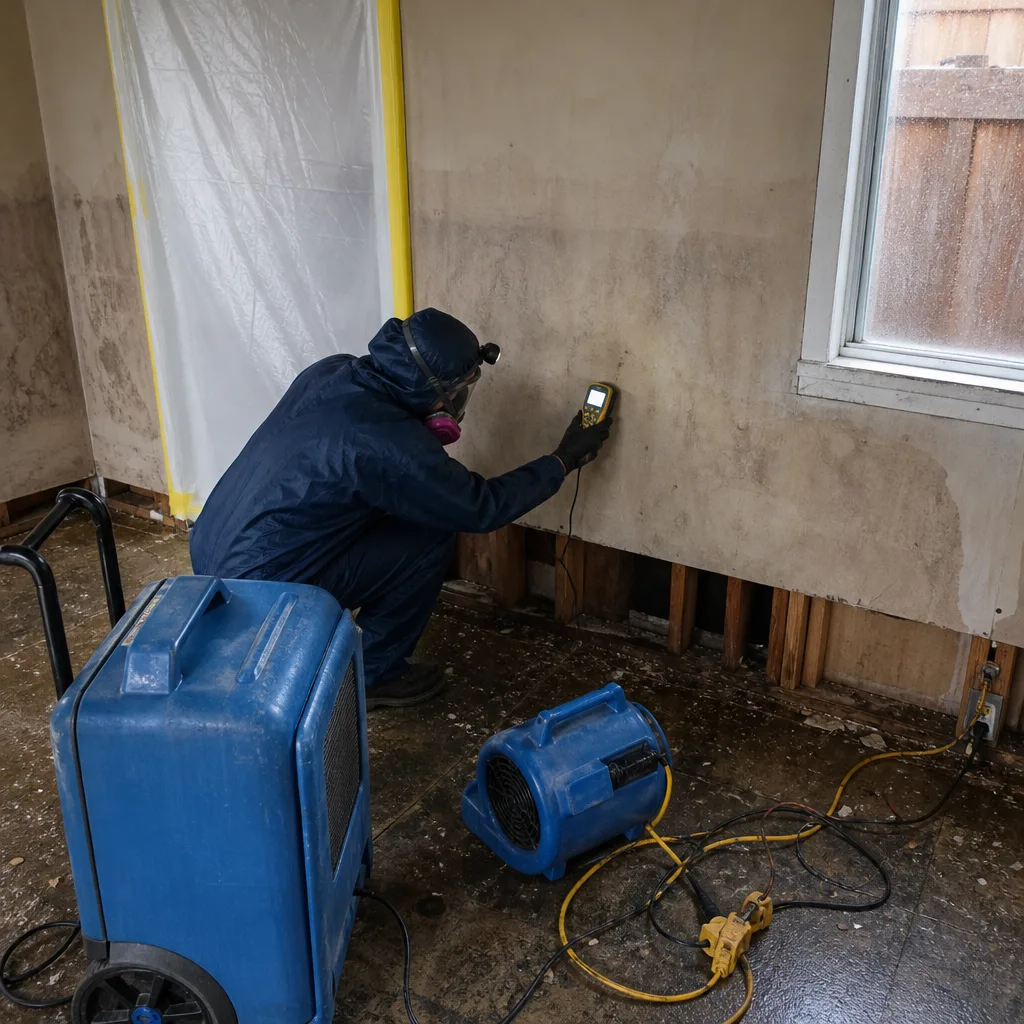
Storm Damage Cleanup in Reseda starts with finding where the water actually came from, which is rarely obvious in these 1950s-era homes. Roof leaks run down inside stucco walls before they ever show on a ceiling. Galvanized supply lines pinhole behind finished walls and leak for weeks before anyone notices. So cleanup here is a diagnostic job first, extraction second. We moisture-map the slab and the lower wall plates, set containment if there’s visible mold or if moisture readings suggest microbial growth has already begun, then extract standing water with XPOWER pumps and remove saturated drywall, baseboards, and insulation that can’t be dried. The goal is to stop hidden wet pockets before they become structural rot. For a typical water intrusion in Reseda, cleanup and extraction runs $1,800 to $3,200 before drying equipment is set.
Water Extraction and Drying
Standing water in a Reseda ranch home doesn’t just sit on top of the slab. Concrete is porous. Water absorbed by the slab wicks upward through the sill plate into wall framing within hours. That’s why we run Injectidry vacuum panels directly on the slab surface after extraction, a step most crews skip. The panels create negative pressure that pulls water out of the concrete itself, not just off the top of it.
Material Removal and Sanitation
Drywall that’s been wet for more than 48 hours in a Reseda wall cavity usually doesn’t dry reliably. It’s faster and safer to cut it out, sanitize the studs, and rebuild. In 1950s homes, that sometimes means we’re working around original built-in cabinetry or tile that can’t be matched. We document everything with photos before we cut, so your adjuster sees exactly what was wet and why it had to go.
Flood Cleanup in Reseda
Flood Cleanup in Reseda is a different animal than a slow plumbing leak. Heavy winter rain overwhelms the flat or low-slope roofs common on 1940s-1960s ranch homes, and water ponds until it finds a seam. Within hours, attic insulation saturates, ceiling drywall collapses or sags, and water runs down inside walls to the slab. When that happens, the work is about speed: extract what’s on the floor, remove what’s soaked, and get air moving before mold gets a 24-48 hour head start. Flood cleanup in Reseda typically runs between $2,500 and $6,500 depending on square footage and how much material has to be removed. A written price comes before any work starts, not after demo reveals the “real” scope.
Roof Leak Water Mitigation
After a storm, the first sign of trouble in a Reseda ranch is often a brown ring on a ceiling or paint bubbling on a wall. That means water entered the attic and is now working its way down. We tarp the roof temporarily, remove wet insulation, and set Dri-Eaz dehumidifiers in the attic space. Attic drying is slower than room drying because heat rises and moisture gets trapped in the roof decking.
Contents and Flooring Removal
Older Reseda homes often have original hardwood flooring laid directly on the slab. Floodwater under that flooring requires pull-up because trapped moisture will warp the boards and feed mold on the subfloor. Contents are inventory-photographed, documented, and moved to a dry area or packed out if necessary. Your adjuster gets every photo within hours, not days.
Trusted Brands We Service in Reseda
Reseda’s older homes wear their history, and that includes the equipment and materials inside them. We service and work around all major restoration and drying equipment brands, and we keep genuine XPOWER, B-Air, and Dri-Eaz components on our trucks rather than generic substitutes that fail mid-job. For Reseda homeowners with original built-ins, site-finished flooring, or plaster walls, that matters: the right air mover operating at the right speed dries materials without damaging them. We do not substitute equipment to save money on a job. The gear we use is the same IICRC-standard equipment used in commercial restoration work, applied to your 1954 ranch on Vanowen Street. If you’ve had a restoration company in before, you may recognize the brand names. The difference is the operator, and we credential every one of ours.
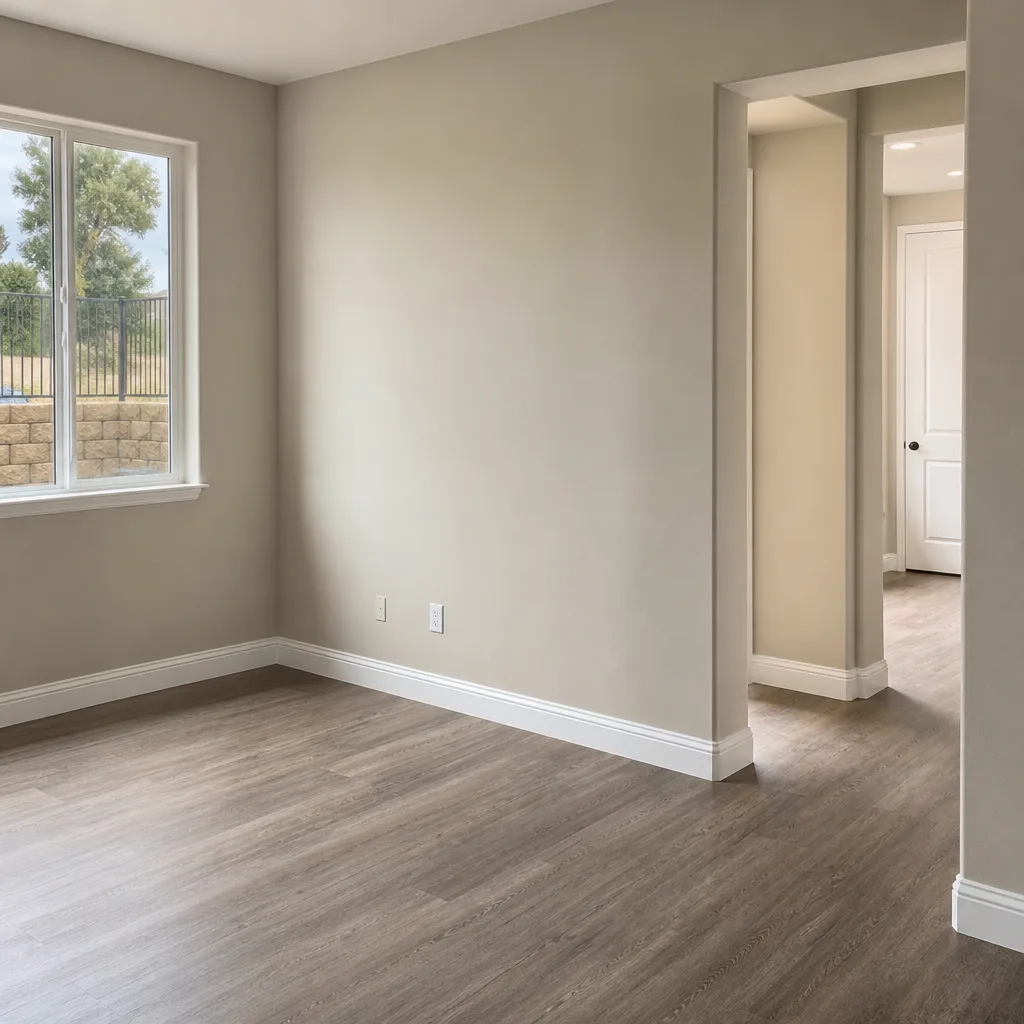
See the difference
 Before
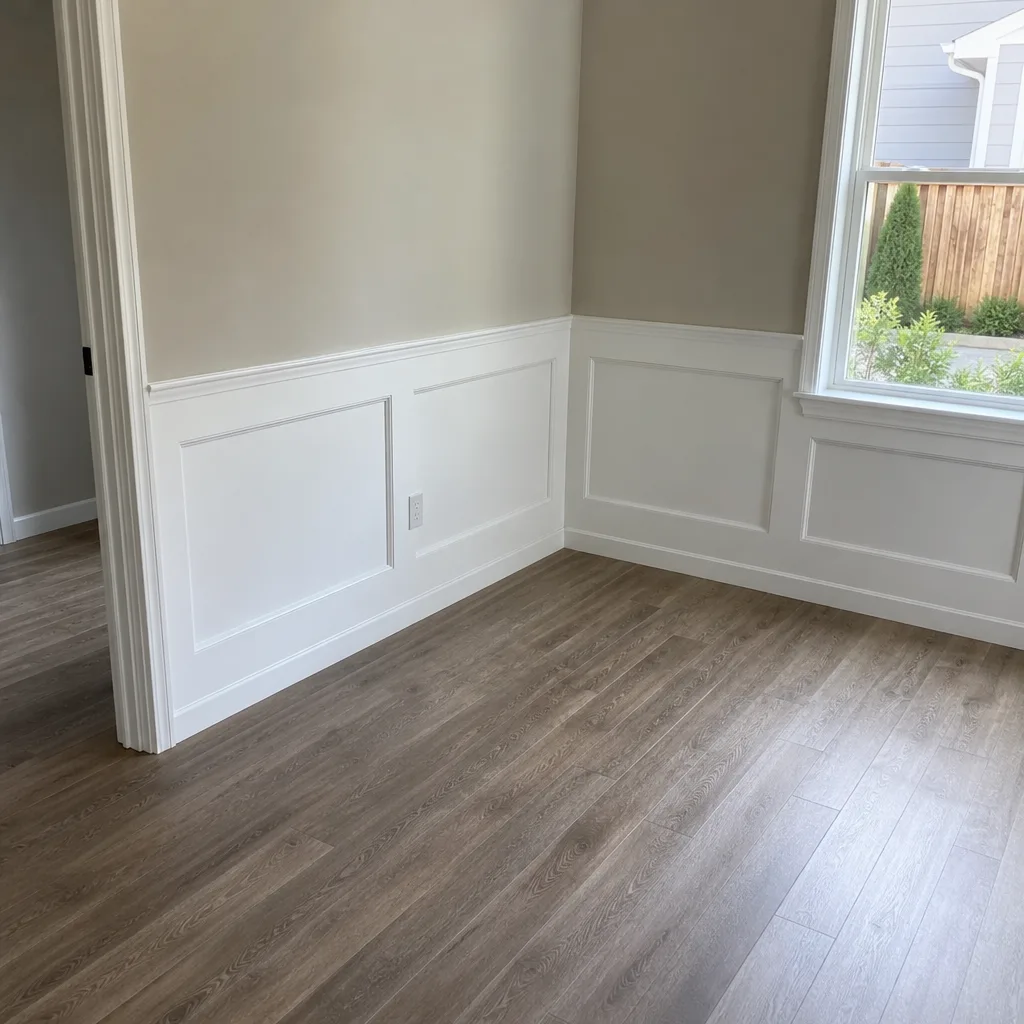 After
After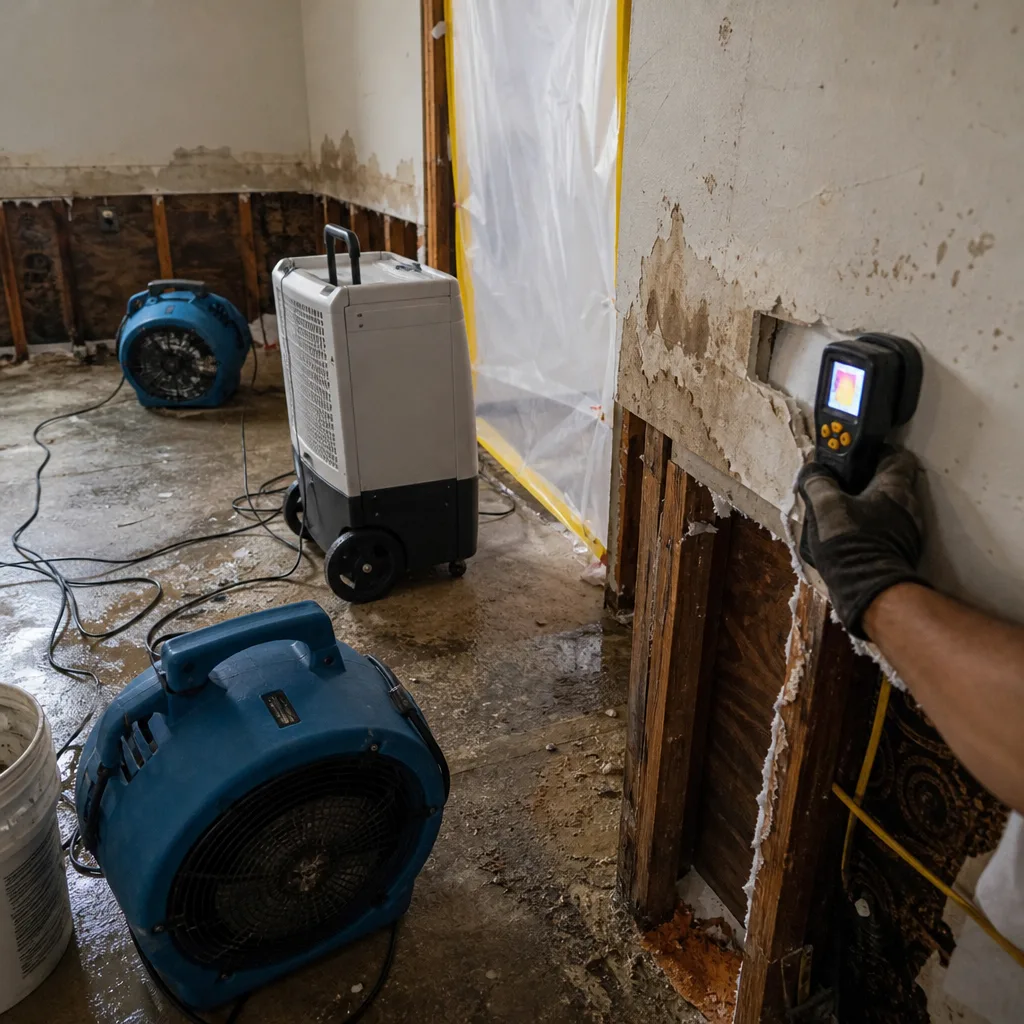 Before
 After
After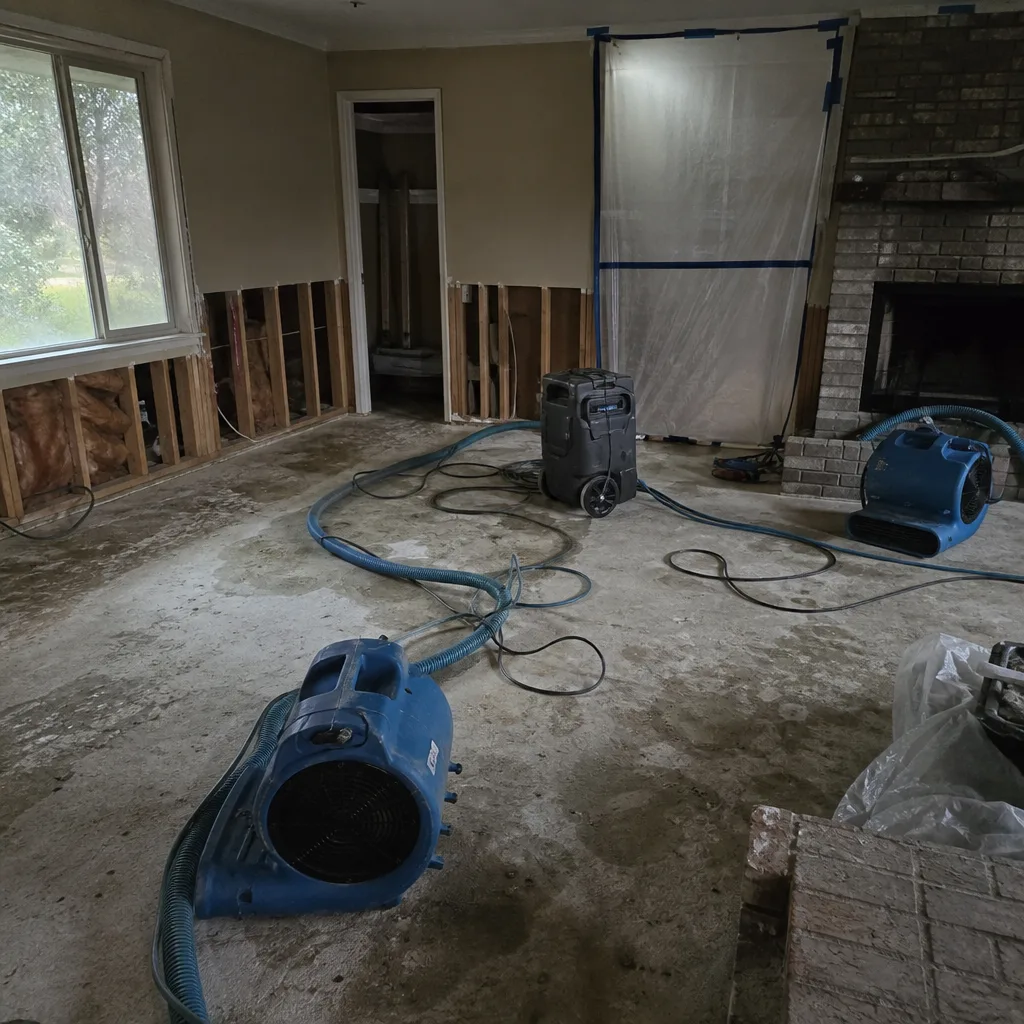 Before
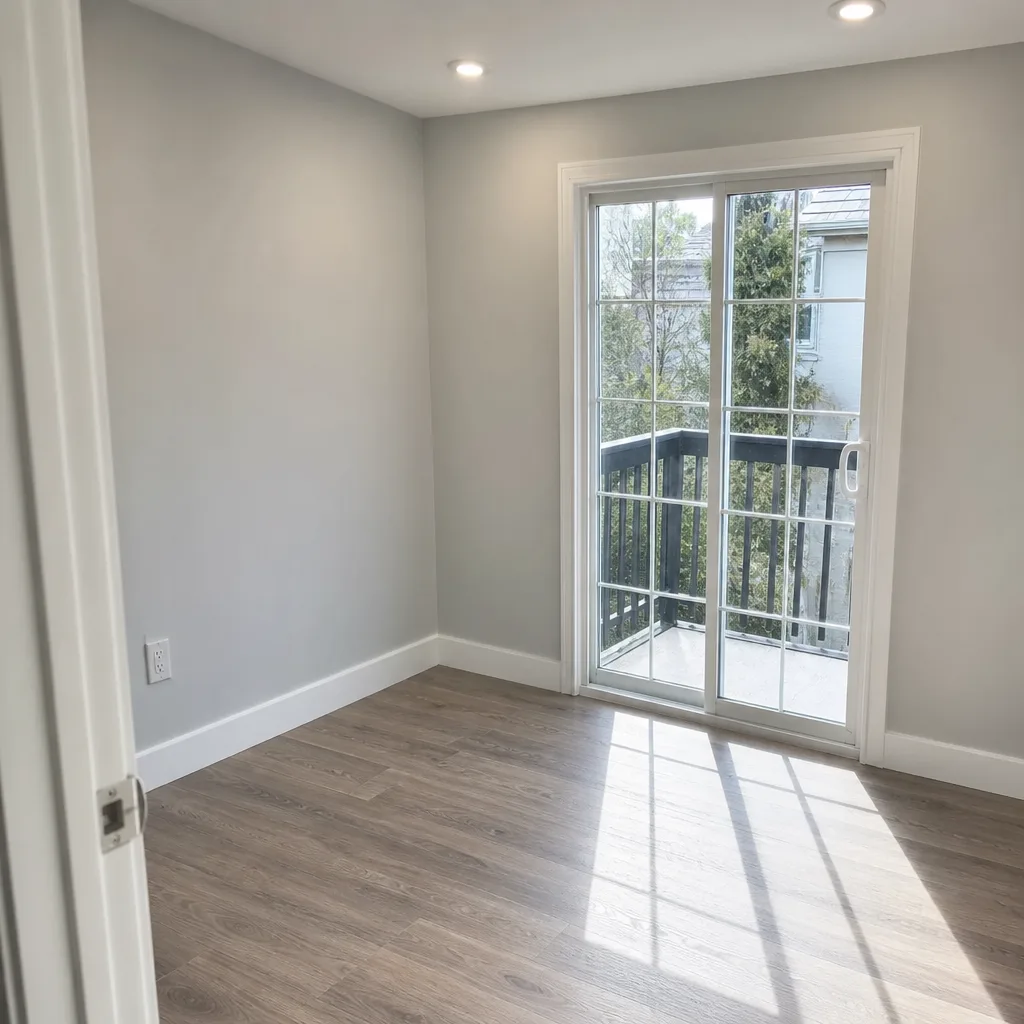 After
AfterCommon Storm Damage Restoration Problems We See in Reseda Homes
- Slab-saturated walls and flooring. Water that reaches the slab in a Reseda ranch wicks upward through wood framing and drywall. Inexperienced crews mop the floor and set a fan, then leave trapped moisture in the concrete that causes ongoing warping and odor. We moisture-map the entire slab, not just the visible wet area.
- Hidden pinhole leaks in original galvanized supply lines. These develop inside stucco walls and leak behind cabinets or behind original 1950s tile. By the time you see a stain, mold has usually had days to establish. We pressure-test lines and use thermal imaging to find the leak without opening every wall.
- Asbestos-containing building materials. Reseda homes from the 1940s-1960s often have asbestos in popcorn ceilings, old vinyl flooring, or drywall joint compound. Disturbing those materials during demolition requires containment and proper abatement procedures. We check before we cut and follow California’s notification and handling rules.
- Flat-roof ponding failures. Many Reseda ranch homes have flat or low-slope roof sections that collect water. During heavy winter rain, that standing water finds a seam and enters the attic. The result is often hidden for weeks, until ceiling drywall gives way or the homeowner notices a persistent musty smell in one hallway.
Pricing for Storm Damage Restoration in Reseda, CA
In Reseda, $1,800 to $3,200 covers water extraction, minor demolition, and drying equipment setup for a single-room event. A whole-home flood from a roof collapse or slab-wide pipe failure runs $4,500 to $6,500. Add another $800 to $1,500 if asbestos-containing materials require containment and abatement, which is common in 1940s-1960s ranch construction. Mold remediation work, when discovered, is scoped and priced separately after testing. Every job gets a written price before work begins, not an estimate range that balloons after demo starts. You’ll see the number in writing, then we start. Call (661) 347-1348 for a free assessment of your specific damage. Estimates are free, and no one pressures you into a scope you didn’t approve.
We Also Serve Cities Near Reseda
Our crews work throughout the western San Fernando Valley. Beyond Reseda, we regularly handle Storm Damage Restoration in Winnetka, Northridge, Porter Ranch, and Chatsworth. Dispatch and scheduling are coordinated from the brand’s Los Angeles office, but crews serving Reseda are stationed locally and know the Valley’s housing stock. Read more about our work across the region on the Storm Damage Restoration in Reseda page.
Serving Reseda, CA - Our Local Coverage Area
We’re based in the Reseda area and know this community well. Use the map below to see our service coverage - if you’re nearby, we can almost certainly help.
FAQs About Storm Damage Restoration in Reseda
A slab foundation means water doesn’t have anywhere to drain. It sits in and on the concrete, then wicks upward through the sill plate into wall framing and drywall. Crawlspace homes dry from below with air circulation; Reseda slabs require vacuum-panel extraction and moisture mapping to pull trapped water out of the concrete itself. That’s why our standard equipment list for Reseda jobs includes Injectidry panels, which most residential crews never carry. If a company quotes you a drying job in Reseda without mentioning slab moisture mapping or vacuum extraction, they don’t understand this housing stock. Call us at (661) 347-1348 for a company that does.
Asbestos was common in building materials through the mid-1970s, and Reseda’s housing stock was mostly built between the 1940s and 1960s. Popcorn ceilings, old vinyl tile, and some drywall compounds in that era contain asbestos. When water damage forces us to remove materials, California law requires testing or presumed-asbestos handling procedures before demolition. We check before we cut. If asbestos is present, we set proper containment and follow abatement protocol; the cost is scoped in writing before work proceeds. Skipping this step is illegal and dangerous.
Rainwater that enters through a roof is initially Category 1 clean water, but it becomes Category 2 gray water when it passes through contaminated materials like attic insulation, dust, or bird droppings commonly found in older Reseda attics. Once that water sits for 48 hours or more, it degrades further. We treat roofer water as gray water from the moment it touches attic insulation, which means affected materials are removed rather than dried in place. That’s the protocol that prevents recurring mold issues in these older homes.
Most Reseda storm damage jobs reach structural dryness in three to five days using commercial Dri-Eaz air movers and dehumidifiers plus Injectidry vacuum panels on the slab. The slab itself is the slowest element to dry, especially during cooler winter weather, because evaporation rate depends on temperature and humidity. We monitor with psychrometric readings (measuring the moisture in the air) daily. You get a written drying log so you can see exactly when the structure is genuinely dry, not just dry on the surface.
We avoid removing original built-ins whenever possible. Heres what we do instead: photo-document everything, then attempt to dry the cabinetry in place using low-speed air movement directed at the bases and toe kicks. If the water has saturated the cabinet bases and drying in place won’t work, we carefully detach cabinetry only to the extent necessary for extraction and drying, then reinstall it. We inventory and photograph every item removed, and we coordinate with your adjuster on restoration versus replacement for contents. Nothing goes to a landfill without your written sign-off.
If your Reseda home has storm damage right now, call (661) 347-1348. A live person answers 24/7, and we’ll walk you through the first steps while the crew is on the way. Free estimate, written price before work starts, and a 365-Day Done Right Promise on every repair.
Written by Tobias Reyner, Owner at Marsh Water Damage Santa Clarita, serving Reseda since 2005.