
Last updated October 16, 2026
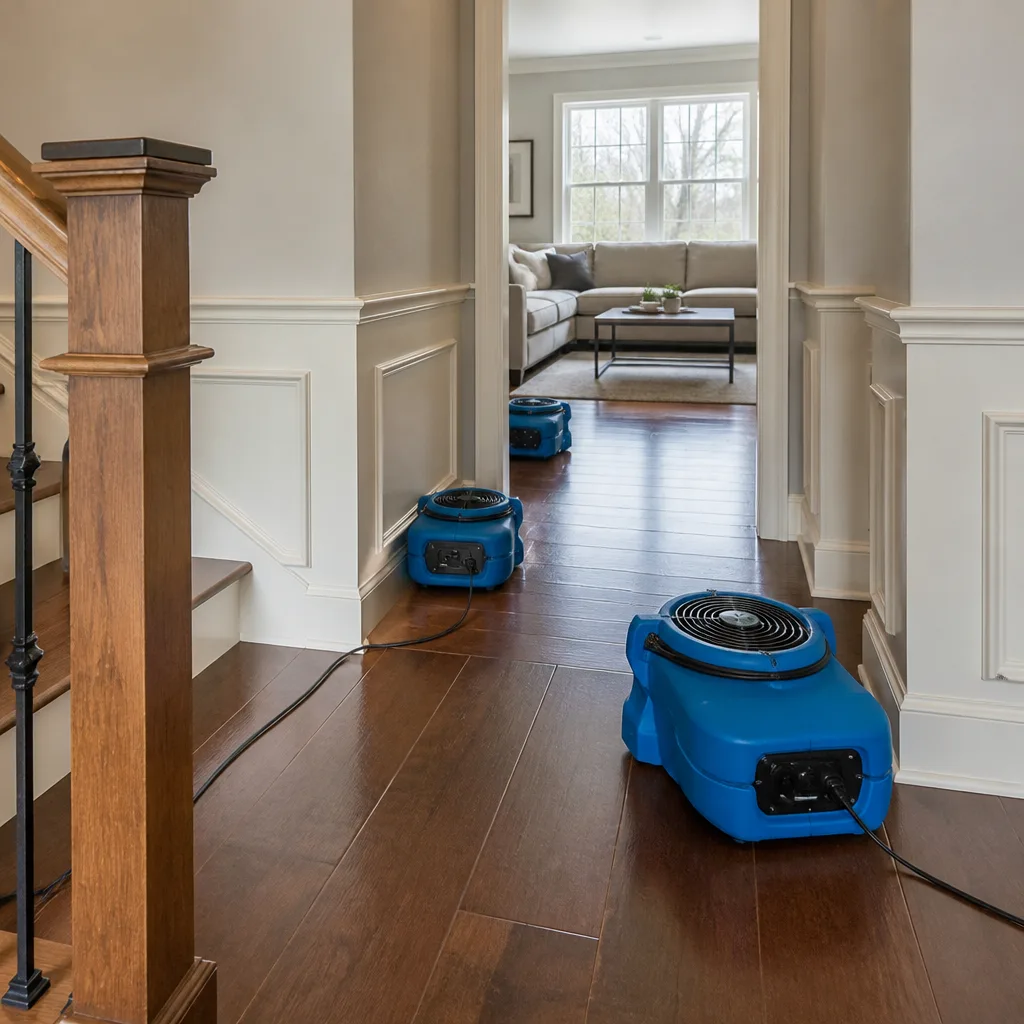 Water damage drying
 Fire & smoke cleanup
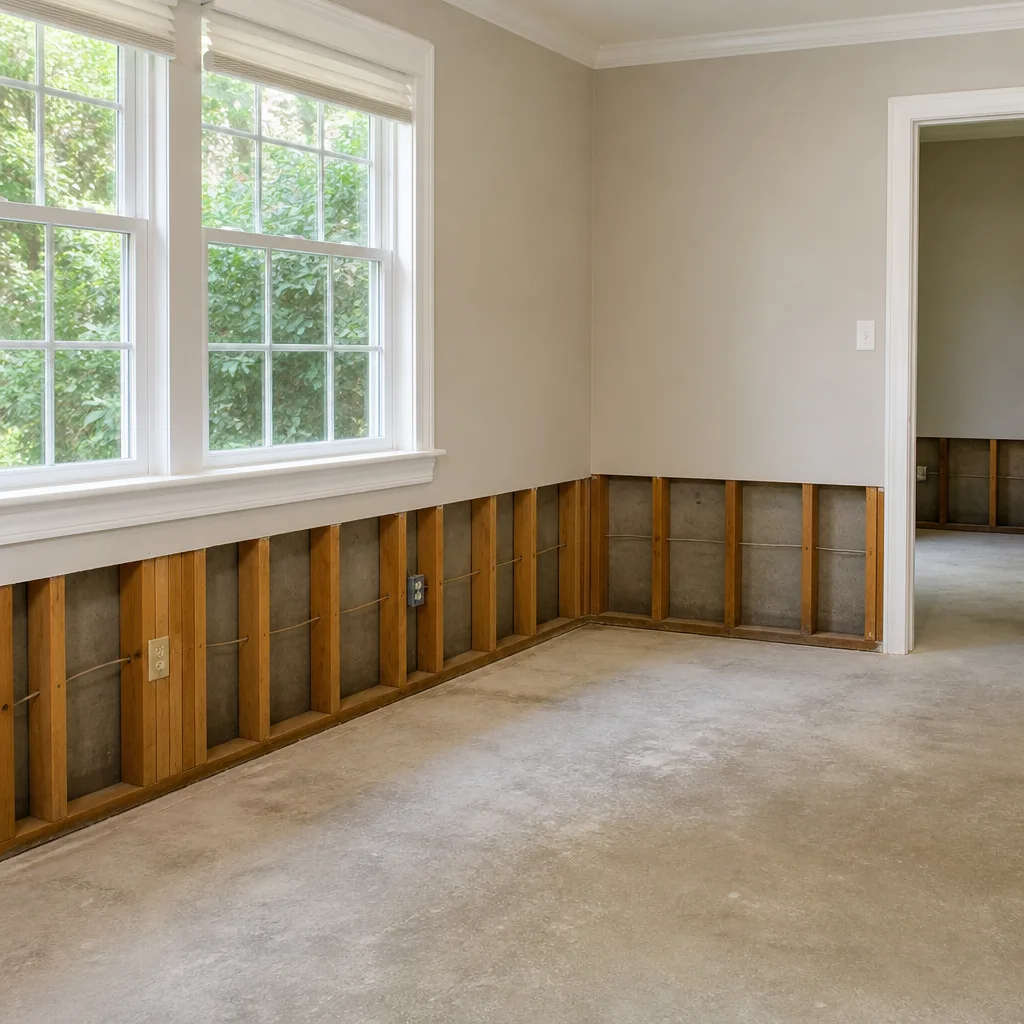 Mold remediation
 Storm response
 Sewage cleanup
 Reconstruction
Free visual inspection and a written scope of work before any mitigation begins - photos, moisture readings, and drying logs go in your claim file
The scope we write is the scope we bill. Anything new gets shown to you, in writing, before we touch it.
Get your free estimateWater Damage Restoration Maintenance Checklist for Santa Clarita Homeowners
In Santa Clarita’s hot, dry summers, the supply line hoses behind washing machines and refrigerators become brittle faster than they do in coastal climates. The failure rate for unsleeved rubber hoses older than five years in high-heat utility rooms is more than double the national average, and that single point of failure is responsible for a disproportionate share of the emergency calls we get. This guide walks through the room-by-room maintenance that prevents those failures from becoming full-scale Water Damage Restoration services, and it explains how the construction style of homes in Valencia, Stevenson Ranch, and Canyon Country changes what you should be looking for. If you own a Santa Clarita home, this is the checklist that keeps a $400 plumber visit from becoming a $14,000 drying job.
Restoration work we handle
Quick Answer
The most effective water damage maintenance for Santa Clarita homes is a seasonal room-by-room inspection focused on supply lines, appliance hoses, water heater chambers, and exterior drainage, performed every spring and fall. Homes built on slab-on-grade foundations, common throughout Valencia and Stevenson Ranch, need extra attention to under-slab leak signs like warm floor spots and unexplained water bill increases, because leaks there travel silently before they surface. If you find a problem, a plumber fixes the source, a water damage restoration company dries the structure, and your insurance carrier determines coverage: calling them in the wrong order is the most common and most expensive mistake we see.
Table of Contents
- Why Santa Clarita Homes Fail Differently
- Monthly Check Tasks (10 Minutes, Every Room That Uses Water)
- Seasonal Checklist: Spring (Before the Heat Arrives)
- Seasonal Checklist: Fall (Before the Rains Arrive)
- Hard Water and Pinhole Leaks: The Santa Clarita Copper Problem
- Slab-on-Grade Construction: What Valencia and Stevenson Ranch Homeowners Need to Know
- Insurance and Deferred Maintenance: How to Document Your Work
- Post-Restoration Maintenance: If Your Home Has Already Had Water Damage
- Common Mistakes to Avoid
- When to Call a Professional
- Frequently Asked Questions
- The Bottom Line
Why Santa Clarita Homes Fail Differently
Santa Clarita sits in a climate zone most restoration guides do not address. We get fewer than 18 inches of rain a year, which means exterior drainage gets ignored more often than it should, and we get 100-plus-degree stretches in summer that dry out rubber, gaskets, and caulk far faster than the coastal averages those generic checklists assume. The housing stock compounds the issue. Much of Valencia, Stevenson Ranch, Saugus, and Newhall was built during the 1980s through the early 2000s, which means original plumbing is now 20 to 40 years old, copper supply lines are at or past the midpoint of their expected service life, and the water heaters installed during that construction wave are nearing failure age. A burst supply line in a second-floor laundry room in Valencia does not just soak one room; it travels through floor cavities and ceilings, which converts what could have been a $400 shutdown into a multi-room drying and reconstruction project. That is the pattern we see repeatedly, and it is almost always preceded by a small, visible warning sign that was missed or ignored.
The other variable is water chemistry. Santa Clarita’s water supply is notably hard, with dissolved mineral content in the range that accelerates the electrochemical pitting of copper. That does not mean every copper line is doomed, but it does mean visual inspection matters more than it does in soft-water regions. We are not telling you to panic. We are telling you that the homeowners who do the best in Santa Clarita treat maintenance as a recurring habit, not a one-time event.
Monthly Check Tasks (10 Minutes, Every Room That Uses Water)
The monthly pass is short by design. You are looking for signs of slow leaks before they declare themselves loudly, and you are looking in rooms that have water fixtures or connections. This is not the same as the seasonal checklist below, which is longer and more hands-on. The monthly pass is about noticing; the seasonal pass is about proving.
- Under-sink cabinets: Open every cabinet beneath a sink in the kitchen, bathrooms, and laundry room. Run a hand along the bottom of the cabinet floor and the supply line connections. Feel for dampness, discoloration, swelling at the cabinet base, or a musty smell. If the cabinet bottom bubbles or warps, you have a slow leak that has been active longer than you realize.
- Visible supply lines: Look at the braided or rubber supply lines feeding toilets, faucets, and the washing machine. Squeeze the line gently near the connection. If it feels brittle, cracked, or shows any bulging, it is on borrowed time. Braided stainless lines are the standard replacement we recommend.
- Ceiling and wall surfaces: Scan ceilings below bathrooms and the laundry area. Look for any faint tan or yellow discoloration, peeling paint texture, or a line where the paint sheen changes. On slab homes, also scan the baseboards in adjacent rooms. Water finding its way through a floor cavity often announces itself at the baseboard first.
- Water heater closet or garage area: If the water heater is in a garage or closet, look at the floor beneath it. Any rust scale, mineral crust, or standing moisture means the tank or a fitting is leaking. If the water heater is in an attic or indoor closet with no pan, schedule a professional inspection now.
- Water bill pulse check: Once a month, compare the current bill to the same period last year. A 15 to 20% unexplained increase with no change in household habits is often an underground or under-slab leak, not meter error.
Seasonal Checklist: Spring (Before the Heat Arrives)
Do this in March or April, before the first triple-digit week. The goal is to harden the home against thermal stress, because that is what breaks rubber, cracks caulk, and accelerates hose failure in Santa Clarita’s summer months.
- Replace washing machine hoses every five years minimum. Even if they look fine. At five years in a hot Santa Clarita utility room, rubber hoses have lost meaningful elasticity. Upgrade to braided stainless. The cost is under $40 per pair.
- Inspect refrigerator and dishwasher supply lines. Pull the fridge out far enough to see the line. Look for kinks, hardening, or white mineral crust at the connections. Same visual for the dishwasher; many dishwashers have a supply line that only gets looked at when the appliance dies.
- Check toilet supply valves and fill valves. Flush each toilet and watch the fill valve. A slow fill or continuous trickle is not just an annoyance; it is a sign the valve is degrading. Toilet supply valves that will not fully shut off are a small job that becomes a big job when the toilet overflows.
- Inspect exterior hose bibs and irrigation backflow devices. Run each exterior spigot fully open and shut it off. Watch for drips after closing. Look at the irrigation backflow preventer for any dripping or moisture staining. A cracked backflow device can leak inside the wall cavity during irrigation season.
- Clean and reseal expansion joints around tubs and shower pans. California showers and tub surrounds move with thermal cycles. Cracked grout or a separated tub-to-tile joint lets water into the wall cavity every single shower. Silicone caulk is the right product: it flexes and adheres.
- Look at the water heater pressure relief valve discharge line. The line should be dry. If it drips, the tank pressure or the valve itself needs attention. A T&P valve that fails is a direct path to a ruptured tank.
Seasonal Checklist: Fall (Before the Rains Arrive)
Do this in October or November. Santa Clarita gets the bulk of its rainfall between December and March, and the first heavy storm after a dry summer is when drainage failures show themselves. This pass is about exterior water management and making sure rain goes where it should go, not into the structure.
- Clean all gutters and downspouts. Yes, even with the Santa Clarita winds keeping them half-clogged year-round. Downspouts should discharge at least three to four feet from the foundation. Add downspout extensions if the discharge currently lands against the slab edge.
- Grade check around the foundation perimeter. The soil should slope away from the home at a minimum of six inches of fall over the first ten feet. In flat lots common in Canyon Country and parts of Saugus, the grade is often too flat. Correcting that is one of the most effective water damage preventions available.
- Inspect roof flashing and penetrations. Walk the roof if safely accessible or use binoculars from the ground. Look at pipe boots, HVAC penetrations, and valley flashing. A cracked pipe boot is a storm damage waiting for the first heavy rain, and the repair is minor compared to the restoration.
- Test sump pumps and surface pumps if you have them. Pour water into the basin and confirm the pump kicks on and discharges fully. If your home has never needed a sump pump but sits at the bottom of a graded slope, now is the time to consider whether that changes.
- Seal window and door perimeter gaps. Look for cracked caulk or visible daylight at the exterior trim. Water driven by Santa Clarita’s winter wind will find those gaps. Caulk is cheap; saturation of framing is not.
Hard Water and Pinhole Leaks: The Santa Clarita Copper Problem
Here is the piece most checklists miss entirely. Santa Clarita’s water supply carries a high dissolved mineral load, primarily calcium and magnesium carbonates. Over years, those minerals deposit as scale inside copper supply lines. Scale is not just a flow restriction; it creates the electrochemical conditions for localized pitting, and pitting leads to pinhole leaks. A pinhole leak in copper starts as something nearly invisible, typically a green or blue corrosion spot at a joint or along a straight run. Under pressure, it weeps. That weep soaks insulation, drywall, framing, and whatever sits below it for weeks or months before it is noticed. By the time a homeowner sees the ceiling stain, the leak has been active long enough that drying the structure requires professional equipment.
You do not need a plumber to do the first visual pass. Here is the inspection sequence we recommend for any Santa Clarita home with original copper supply lines:
- Exposed copper check: Look at any exposed copper pipe runs, typically in the garage, laundry room, or under sinks. Run your finger along the underside of horizontal runs. If you feel green crust, blue-white powder, or any wetness, you have active corrosion.
- Joint inspection: Look at every soldered joint on visible pipe. Green growth at the joint means flux residue was never fully cleaned or the joint is failing electrochemically. Either way, it is a leak in progress.
- Pressure test with a gauge: Attach a pressure gauge to a hose bib and note the reading. Turn off all fixtures and water-using appliances. If the pressure drops over 15 minutes, water is leaving the system somewhere, and if there is no visible leak, it is hidden.
- Listen at night: At 2 a.m. with everything off and the house quiet, stand in the garage or near the water heater. A faint hiss from the pipe has no innocent explanation.
If you find pinhole leaks, the repair is a plumber’s job. The drying afterward is ours. But catching it at the pinhole stage, before a whole run fails, is the difference between a plumbing repair and a restoration job with drywall, insulation, and possibly flooring replacement. This is the single most actionable piece of prevention in this entire guide for older Santa Clarita neighborhoods like Newhall and parts of Saugus, where copper age is peaking right now.
Slab-on-Grade Construction: What Valencia and Stevenson Ranch Homeowners Need to Know
Large portions of Valencia and Stevenson Ranch were built slab-on-grade, which is a concrete slab poured directly on the ground with no crawlspace beneath. The water supply lines are embedded in or beneath that slab. When a line under the slab leaks, there is no crawlspace to reveal it. The water travels through the soil beneath the slab, follows the path of least resistance, and often surfaces far from the actual leak point, sometimes on the opposite side of the house or into a neighboring room’s flooring. It is not uncommon for a homeowner to see water in one room and have the actual leak located 20 feet away.
The warning signs for under-slab leaks in Santa Clarita are specific:
- Warm spots on the floor: If a hot water line under the slab leaks, the floor above that run will feel noticeably warm, even on cold mornings. Walk the floor in bare feet and note any heat that does not correspond to a heating vent.
- Unexplained water bill increases with no visible leaks anywhere in the home.
- The sound of running water when all fixtures and appliances are off, heard most clearly through the slab at night.
- Cracks in the slab with water seepage after rain, particularly in low-lying parts of the floor plan.
- Musty or damp odor from flooring in one specific area, with no corresponding ceiling or wall stain.
If you confirm an under-slab leak, the sequence matters. Shut off the main water supply first. Then call a plumber who specializes in leak detection and slab access, because locating the leak accurately is the single most important step. Once the plumbing is repaired and the water source is eliminated, the structural drying begins, and that is where the right restoration approach matters. Slab drying requires a different strategy than drying a framed floor over a crawlspace, because the concrete itself holds moisture. Our technicians use Dri-Eaz and Phoenix drying systems with moisture mapping to track the drying front through the slab, not just measure surface moisture. A slab that is not dried correctly will continue releasing moisture for months, and that is how a repaired plumbing leak becomes a recurring mold remediation problem.
Insurance and Deferred Maintenance: How to Document Your Work
Here is the part that costs Santa Clarita homeowners more money than any failed hose: the insurance exclusion for deferred maintenance. Standard homeowners policies cover sudden and accidental water damage. They do not cover damage that results from long-term neglect, wear and tear, or lack of maintenance. That means a slow leak you could have caught with a monthly check, and did not, may be denied at the claim level. The burden of proof falls on you, the homeowner, not on the insurance carrier.
The fix is simple and most people do not do it. Document your maintenance. A spreadsheet, a dated photo album, a paper notebook, whatever works. Here is what to record every time you do the monthly or seasonal checks:
- Date of the inspection.
- What you checked, in plain language: “Under-sink cabinets, all supply lines, water heater area, ceiling scan.”
- What you found: even if the answer is “nothing.” The point is the record, not the finding.
- What you did: “Replaced washing machine hoses with braided stainless. Old hoses were 6 years old.” Include a receipt photo if it was a purchased part.
- Photos of the work or the condition, even phone photos. Date-stamped is ideal, but a photo in a dated folder works.
This record takes five minutes per inspection and it changes the conversation with an adjuster. For more guides & resources on protecting your home, see our blog. When we run restoration projects for Santa Clarita homeowners, the ones who get claims approved smoothly are the ones who can show maintenance history. The ones who cannot show a single receipt, invoice, or inspection note get the most scrutiny, and sometimes the claim gets reduced or denied. The documentation is not optional. It is part of the maintenance, as important as the inspection itself.
There is also a sequencing issue. If you find active water damage, call your insurance carrier first to open a claim and ask for a restoration referral, or call us first at Marsh Water Damage Santa Clarita and we can walk you through what the claim will need. The critical error is calling a contractor who starts demolition before the adjuster has documented the damage. Demolition before documentation is the single most common reason legitimate water damage claims get partially denied. Photograph everything, document the timeline, and keep the adjuster informed. In restoration, the paper trail is part of the job.
Post-Restoration Maintenance: If Your Home Has Already Had Water Damage
A home that has been through restoration is not the same as a home that never has. The affected area now contains materials that were installed under different conditions than original construction, often with different drying characteristics, and the surrounding structure has already demonstrated it has a failure point. Does that mean the home is fragile forever? No. It means the maintenance schedule shifts and the consequences of skipping a check get higher.
Here is the post-restoration schedule we recommend for Santa Clarita homes, regardless of which restoration company did the work:
- First 30 days after restoration: Run the humidity check weekly. Keep a small digital hygrometer in the restored area and log the reading. If relative humidity climbs above 60% and stays there, the drying was incomplete and you need a follow-up. Our 365-Day Done Right Promise covers exactly this scenario, and a second visit is included automatically, not something you argue for.
- Months 1 through 6: Inspect the restored area monthly. Look for any recurrence of the original warning sign: staining, softening drywall, musty odor, elevated humidity. Early detection after restoration is more important than it was before the first loss, because the structural materials have already been stressed once.
- At month 6 and then every six months: Run the same seasonal checklist as the rest of the house, but spend twice as long on the restored zone. The rebuilt area is the canary now.
- Annually: If the restoration involved a slab area, thermal imaging or moisture mapping by a professional is worth the cost once a year for the first two years. It is the only way to see what is happening inside the slab, not just on the surface.
The reason we are direct about this: remediated areas have different long-term vulnerability than original construction. The joints, the sealed materials, the dried framing, the patched plumbing, all of it behaves differently under thermal stress. The Santa Clarita heat cycle will test those joints. A post-restoration home needs a better maintenance discipline, and the homes that do best after loss are the ones that treat the first year as a watch period, not a return to normal. In our experience, the homeowners who follow a post-restoration schedule almost never have a repeat loss. The ones who do not are the ones we see again in 18 months.
Common Mistakes to Avoid
- Waiting until you see the water. By the time water is visible on a floor, ceiling, or wall, the leak has been active for days or weeks and the damage is no longer just a plumbing call. The monthly check exists to catch it before it surfaces. If you only respond to visible water, you will always be responding to a restoration event, not a maintenance event.
- Using the wrong valve shut-off location. Every adult in the home should know where the main water shut-off is and be able to operate it. In many Santa Clarita homes, the main is at the street in a meter box or in the garage near the water heater. Waiting for a burst line to learn where the shut-off is means an extra 20 to 30 minutes of high-pressure water release.
- Replacing supply lines with the cheapest available. The $7 rubber hose from a general store is not the same as a braided stainless line from a plumbing supply. Saving $15 on a washing machine hose is not a maintenance strategy; it is a deferred restoration decision.
- Ignoring the first small stain. A faint discoloration on a ceiling below a bathroom is a leak that has already penetrated the drywall. Painting over it without fixing the source is the most common self-inflicted homeowner mistake we see, and it makes the eventual restoration more extensive because the water source has had more time to travel.
- Running a dehumidifier only after visible water appears. Santa Clarita’s low ambient humidity fools homeowners into thinking drying is optional. Inside a wall cavity after a leak, the humidity is not low, it is near 100%. A household dehumidifier cannot touch that. Professional drying equipment is not a luxury at that point; it is the difference between restoration and replacement.
- Documenting nothing. No receipts, no inspection notes, no photos. When the insurance claim needs proof of maintenance, and it almost always does, you have nothing to show. The five minutes of documentation per check is the cheapest insurance you will ever buy.
- Assuming “newer home” means “no risk.” Newer homes in Santa Clarita, particularly tract construction from the 2010s in the newer Valencia builds, can have just as many water intrusion points as older homes: PEX and copper mixed systems, hidden manifold leaks, and drainage details that have not yet been tested by a full winter. Newer is not a pass.
When to Call a Professional
Call a plumber when you have located a leak at a fixture, supply line, or valve and the repair is localized and accessible. Call your insurance carrier when you have active water damage that involves structure, drywall, flooring, or anything beyond a contained fixture leak. Call a restoration company when water has moved beyond the immediate leak point into walls, ceilings, floors, or cavities, or when you smell must, see staining, or detect moisture that will not dry in 48 hours with household fans. The three are not interchangeable, and the order matters. We will say it again because it is the most expensive misunderstanding in this trade: do not begin demolition before the adjuster has documented the damage. Marsh Water Damage Santa Clarita offers free estimates in Santa Clarita and the surrounding areas; call (661) 347-1348 and a live person answers, day or night, including holidays. We will tell you what you are looking at, what the realistic price range is before any work starts, and whether you need a restoration professional at all. Sometimes the honest answer is “this is a plumber’s job, not ours,” and we will tell you that too.
Frequently Asked Questions
Most residential water extractions in Santa Clarita run between $1,800 and $4,500 before drying equipment is set, with structural drying and monitoring typically adding another $1,500 to $3,500 depending on the square footage and the materials affected. See our Damage Restoration Cost Breakdown: The Santa Clarita Homeowner’s Reference for 2026 for detailed pricing factors. A full containment and rebuild after a significant loss can reach $12,000 to $18,000 or more. These are the ranges we quote in this market, and we put the written price in front of you before any work begins, not after the demolition has started. Call (661) 347-1348 for an exact quote on your specific situation; estimates are free and there is no pressure to proceed.
It depends on the cause, and the distinction is sudden versus gradual. Sudden and accidental damage, like a burst supply line, an overflowing appliance, or storm-driven water intrusion, is generally covered under standard homeowners policies. Gradual damage from deferred maintenance, a slow leak you did not address, or long-term seepage is generally excluded or reduced. To protect yourself, document your maintenance in dated records with photos and receipts, because the insurance carrier will ask what you did to prevent the loss, and a documented maintenance history is the best answer you can give them.
The honest answer for active water damage is hours, not days. At Marsh Water Damage Santa Clarita, we answer every call live and can typically dispatch a crew on the same day for emergency extraction, with the goal of getting water stopped, extracted, and drying equipment placed before the end of the day. Water damage is not a next-week problem, because mold and structural saturation begin within 48 hours. Call (661) 347-1348 and we will tell you exactly when a technician can be at your door, by name and photo, before he arrives.
A small visible leak is rarely the whole story. The water you see on the surface is often a fraction of the water that has already traveled through the wall cavity, floor assembly, or slab. If the affected area is small, confined to a hard surface, thoroughly dry within 48 hours, and shows no staining, odor, or swelling, it may be manageable without professional restoration. But if the leak involved drywall, insulation, carpet, or any enclosed cavity, the moisture you cannot see is the problem. We will tell you honestly if restoration is needed or if a simple drying solution will do; call (661) 347-1348 and we will walk you through the specific signs to look for.
You do, and we work alongside you. You are the policyholder and the claim belongs to you, but our team documents everything with itemized photo inventory, moisture readings, and a full scope of the damage so your adjuster sees the complete picture, not just a verbal description. We coordinate directly with adjusters during the process, which speeds up approval and reduces friction. The key is documenting before demolition and maintaining that paper trail throughout; we handle the restoration-side documentation so the claim has what it needs.
Shut off the main water supply first if the source is still active and you know where the shut-off is. Then move valuables and electronics out of the affected area if it is safe to do so. Photograph everything as it is now, before any cleanup begins, because the condition at discovery is what the insurance adjuster will compare against. Then call a restoration professional; at Marsh Water Damage Santa Clarita, the call is answered live 24/7 at (661) 347-1348, and we will guide you through the next steps, including whether you should call your insurance carrier before we arrive.
The Bottom Line
The checklist is not about preventing every possible water event; that is not a realistic goal. It is about eliminating the small, fixable conditions that turn a minor leak into a major structural job, and in Santa Clarita, those conditions are specific: brittle supply lines from the heat, pinhole-prone copper from the hard water, and silent slab leaks from the construction style. Do the monthly pass in ten minutes. Do the seasonal passes in spring and fall. Document everything, because your insurance claim depends on proof, not promises. If you find water where it should not be, call quickly, call the right professional, and do not start demolition before the adjuster documents it. The homes that do best after loss are the ones that treat maintenance as a habit and documentation as a discipline. That is the whole strategy, and it works.
If you are in Santa Clarita and you are not sure whether what you are seeing needs professional attention, call us. A live person answers, we will give you a straight answer and a written price, and you will know exactly who is coming to the door before we arrive. That is the Marsh standard, and we have been doing it since 2005. The Marsh Water Damage Santa Clarita home page has more on how we work, and the phone number is (661) 347-1348.
Written by Tobias Reyner, Owner at Marsh Water Damage Santa Clarita, serving Santa Clarita since 2005.
See the difference
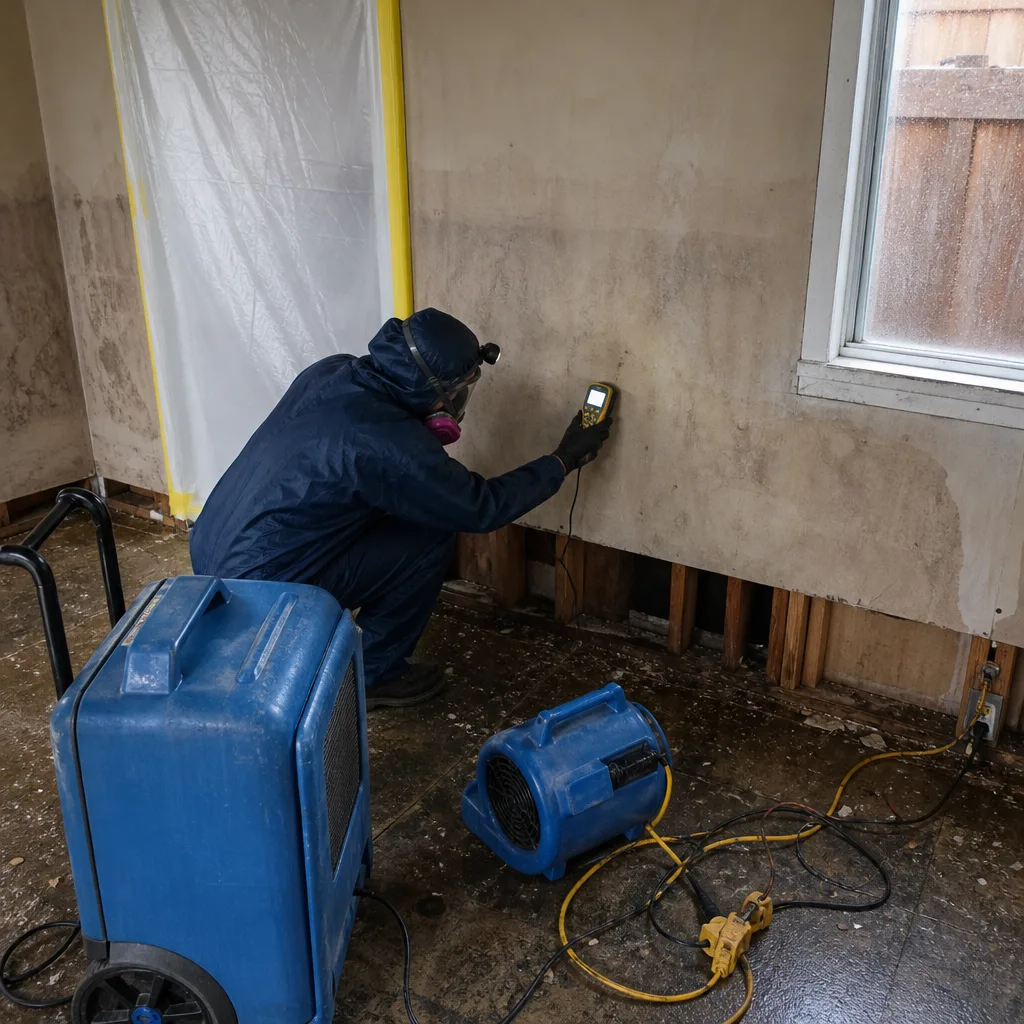 Before
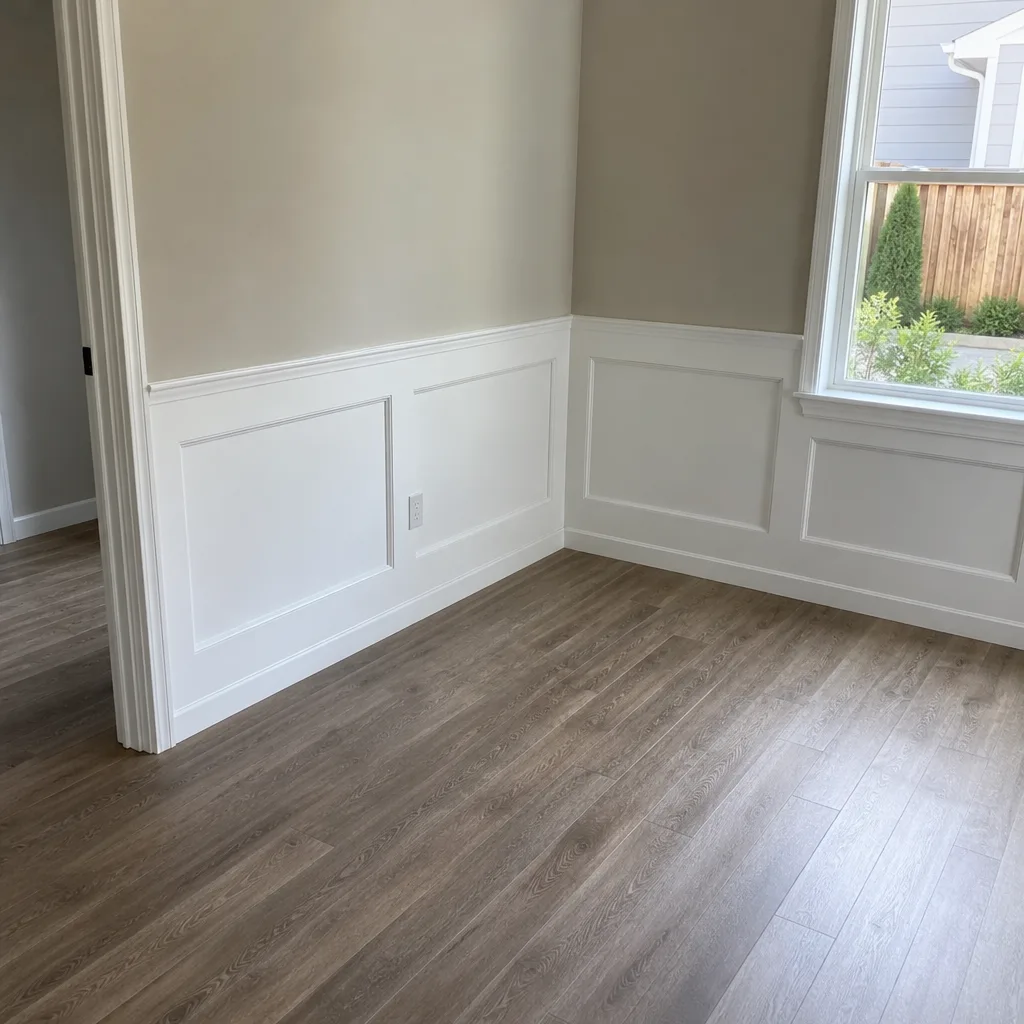 After
After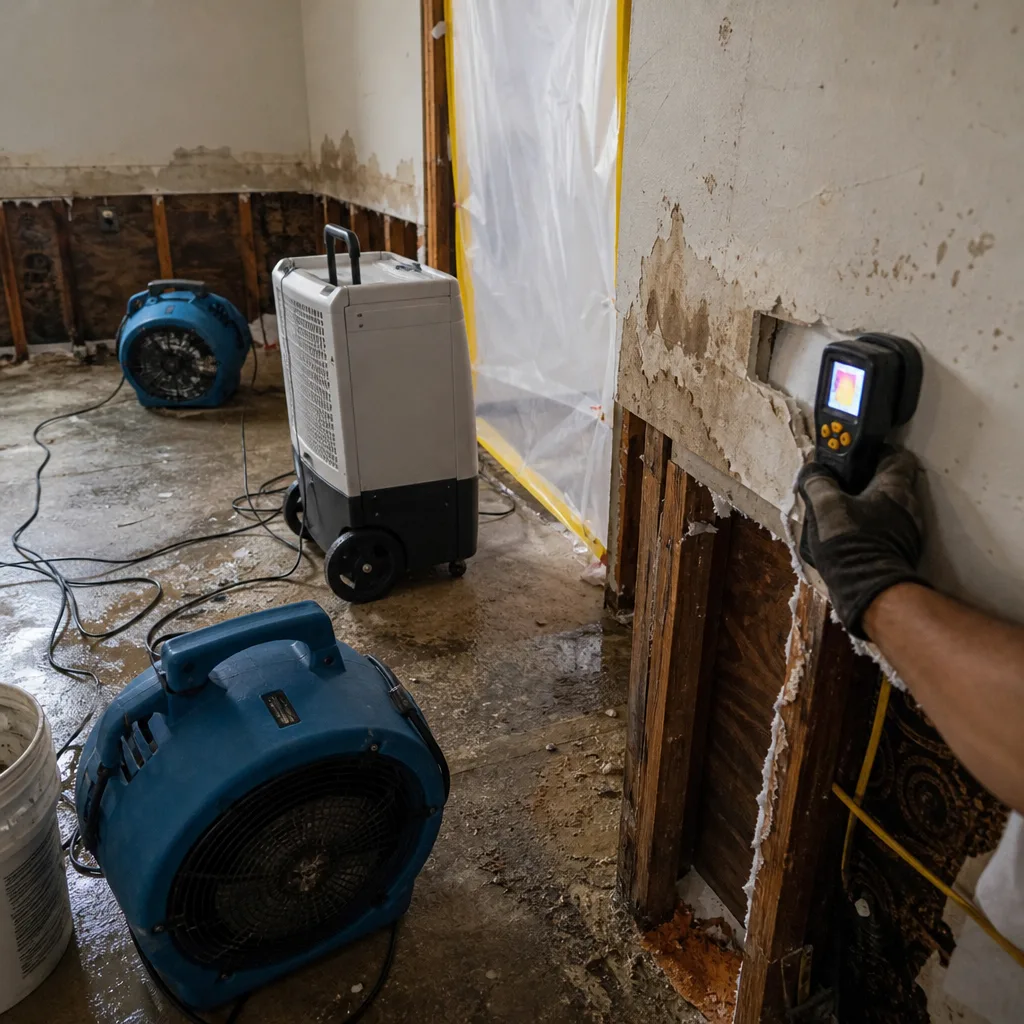 Before
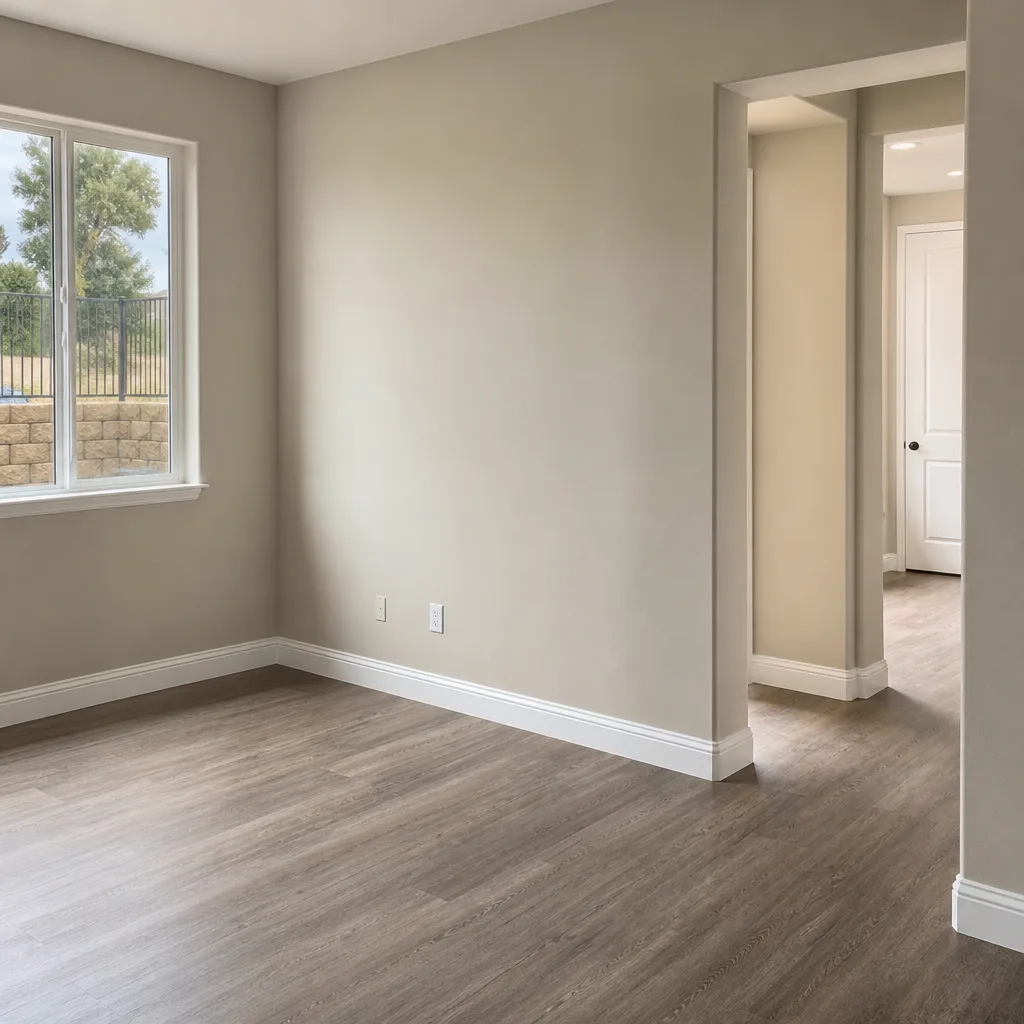 After
After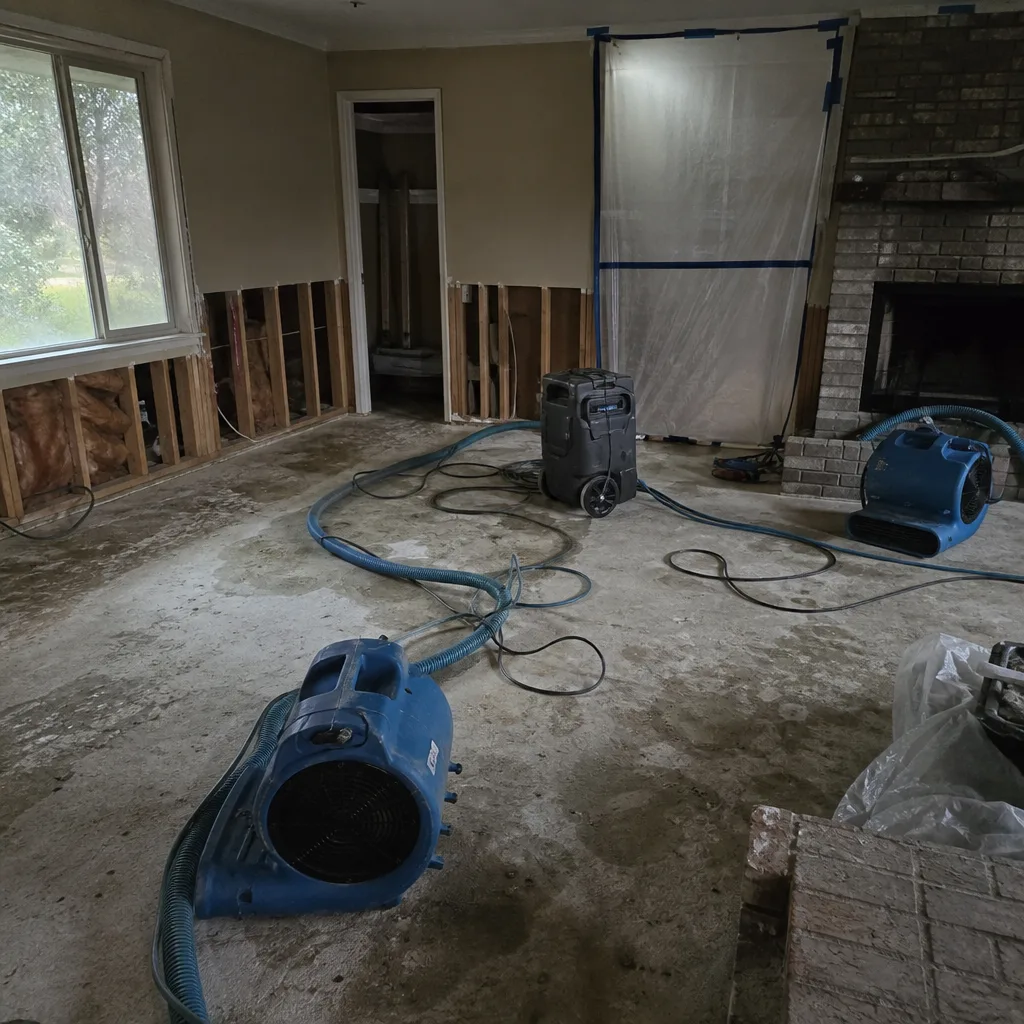 Before
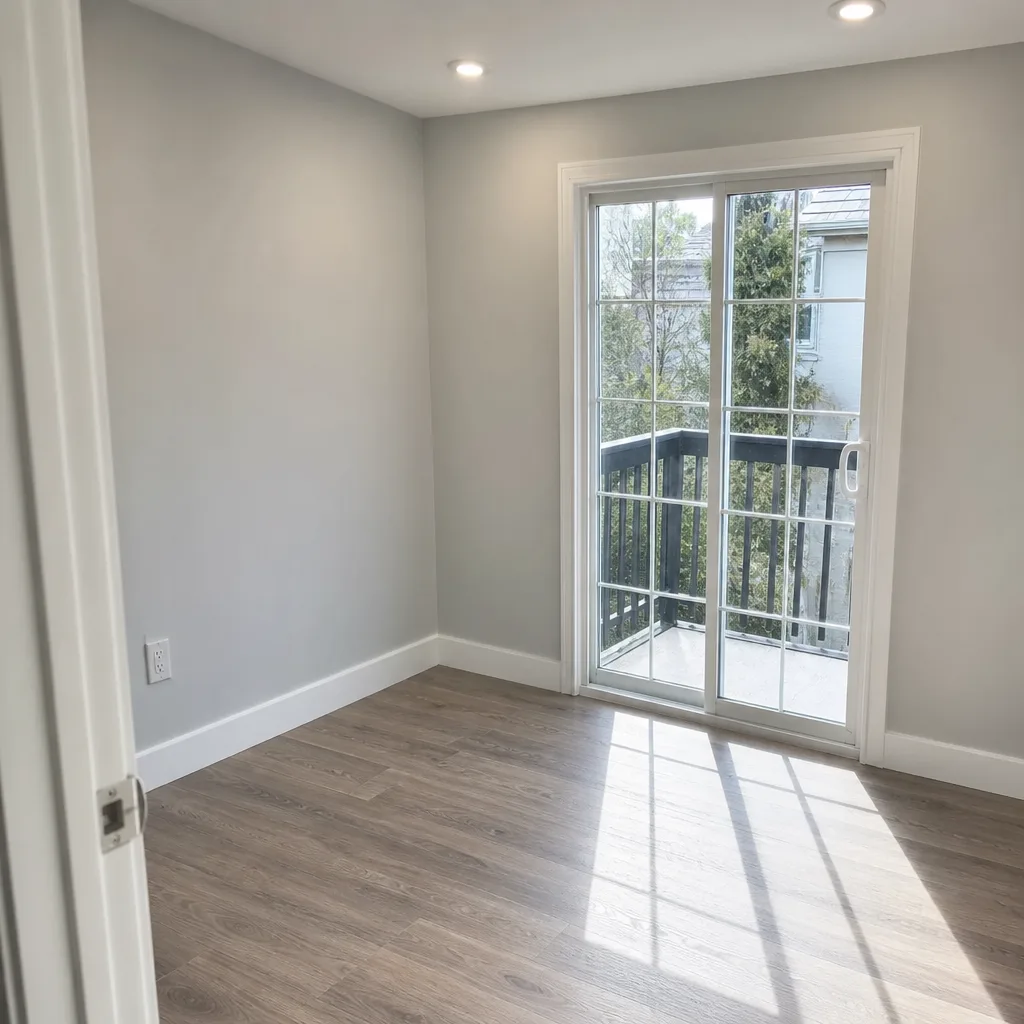 After
After