
Last updated October 16, 2026
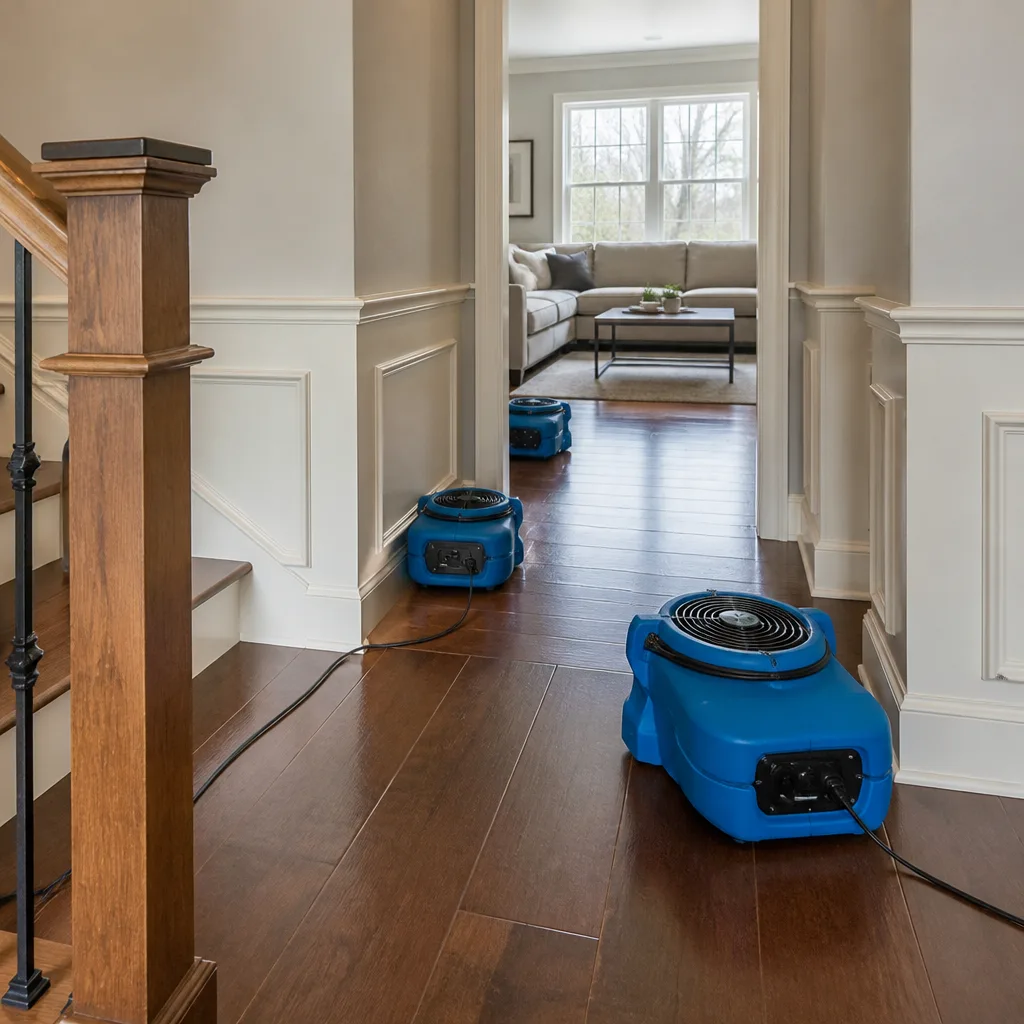 Water damage drying
 Fire & smoke cleanup
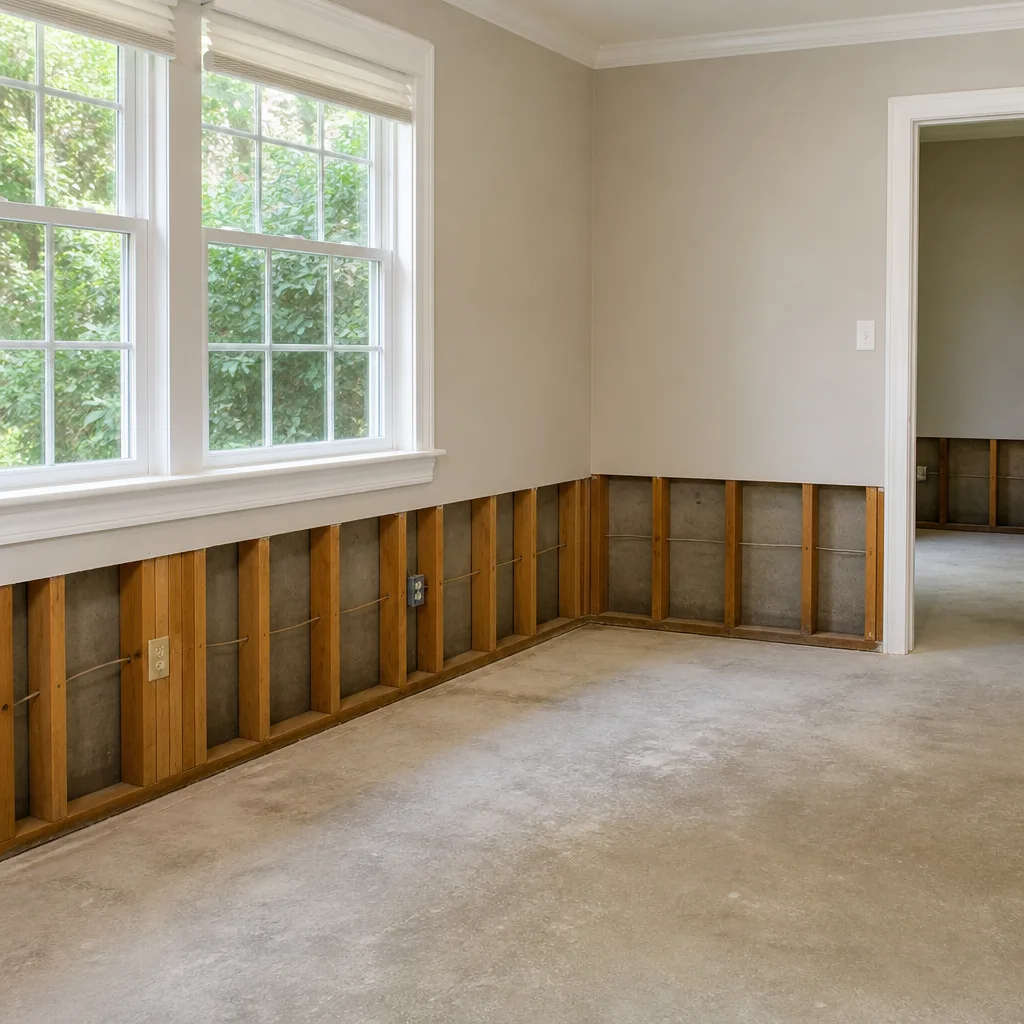 Mold remediation
 Storm response
 Sewage cleanup
 Reconstruction
Free visual inspection and a written scope of work before any mitigation begins - photos, moisture readings, and drying logs go in your claim file
The scope we write is the scope we bill. Anything new gets shown to you, in writing, before we touch it.
Get your free estimateSeasonal Damage Restoration Care for Santa Clarita: Year-Round Homeowner’s Guide
Santa Clarita receives only about 15 inches of rain per year, but nearly 60% of residential water damage insurance claims in the Santa Clarita Valley are filed in the 11-week window between late November and early February. The culprit isn’t rain volume. It’s infrastructure that sat dry for eight months and couldn’t handle the sudden surge. This guide-along with our Complete Guide to Damage Restoration in Santa Clarita-walks you through the four distinct damage windows Santa Clarita homeowners face every year, what to inspect before each one arrives, and which tasks you can handle yourself versus which ones need a licensed professional.
Quick Answer
Seasonal damage prevention in Santa Clarita means preparing for four distinct risk windows: summer heat stress on plumbing, fall Santa Ana wind breaches, winter rain intrusion after long dry spells, and spring irrigation failures. For a deeper dive, see our Water Damage Restoration Maintenance Checklist for Santa Clarita Homeowners. A homeowner can handle visual inspections and basic maintenance in about four hours per season. Anything involving supply lines, roof-to-wall junctions, or slab-level moisture requires a licensed contractor or restoration professional.
Restoration work we handle
Table of Contents
- Summer: Dry Heat, Thermal Cycling, and Pipe Stress
- Fall: Santa Ana Winds and Roof-to-Wall Breaches
- Winter: The First Big Rain and the 45-Minute Pre-Rain Inspection
- Spring: Irrigation Restarts and the Six-Week Undetected Leak
- The Santa Clarita Seasonal Maintenance Calendar
- Common Mistakes to Avoid
- When to Call a Professional
- Frequently Asked Questions
Summer: Dry Heat, Thermal Cycling, and Pipe Stress
Summer in Santa Clarita isn’t just hot. It’s persistently, punishingly hot for months. Canyon Country and Saugus routinely see sustained temperatures above 100°F from July through September, and those temperatures don’t just make your air conditioner work harder. They create thermal cycling in your plumbing system, and that cycling is where slow, invisible damage begins.
Thermal cycling is the repeated expansion and contraction of pipe materials as temperatures swing from cool nights to extreme daytime heat. Copper supply lines, PEX fittings, and the threaded joints connecting them expand at different rates. Over a single summer, a threaded fitting in an exterior wall or an attic chase can cycle through hundreds of these expansions and contractions. Over five or six summers, that stress accumulates until a fitting fails, often not during the heat itself but during the first cold snap of fall when the material contracts suddenly.
In our experience with Water Damage Restoration in Santa Clarita, the most common summer-related failure point is the supply line fitting under a bathroom sink in a west-facing wall. The afternoon sun heats that exterior wall to well over 120°F, the fitting expands, and the cool water flowing through it creates a temperature differential the material was never designed to handle long-term.
The One Visual Inspection You Should Do Before October
Here’s the single highest-value inspection task for Santa Clarita homeowners in September: check every visible supply line fitting you can access. This takes about 20 minutes and requires no tools.
- Open every cabinet under every sink in the house. Look at the supply line connections. You’re looking for a faint green or white crust around the threads. That’s mineral deposit left behind by a micro-leak that seals itself when the pipe is cool but opens when it’s hot.
- Run a dry finger around each fitting. Moisture, even slight, means the fitting is actively weeping.
- Look at the supply line itself. PEX and braided steel lines should be uniform in color. Darkening, cracking, or a chalky texture means the material is degrading.
- Check the shutoff valves. Turn each one a quarter turn closed and back. If it sticks or crunches, it’s corroded internally and needs attention before winter.
- Check your water heater connections. The flex lines at the top of the heater are the hottest joint in the house, and they cycle the most aggressively every summer.
Doing this inspection in late September gives you a full six weeks to schedule repairs before the rainy season. A supply line replacement costs far less than the extraction and drying job that follows a failed line. Most residential water extractions in Santa Clarita run between $800 and $1,500 before drying equipment is set, and that’s before drywall repair, flooring, and contents restoration.
Fall: Santa Ana Winds and Roof-to-Wall Breaches
Santa Ana winds typically arrive in October and November, and they don’t just blow leaves around. Sustained wind speeds of 30 to 50 mph with gusts above 70 mph create a pressure differential across your roofline that actively pulls moisture into any gap that exists. The damage isn’t always visible from the ground, and it usually doesn’t show up as a leak for weeks or months after the wind event.
The most vulnerable part of a Santa Clarita home is the roof-to-wall junction, particularly on 1980s and 1990s tract homes in Newhall and Castaic. These homes were built with a specific detail where the roof deck meets the exterior wall, and that detail relied on a metal flashing strip that was sometimes nailed, never sealed, and almost never inspected after construction. Thirty to forty years later, that flashing is rusted, the underlying felt underlayment is dried out, and the wind-driven rain from a strong Santa Ana event can push moisture into the wall cavity.
What to Check After Every Major Santa Ana Event
- Walk the perimeter of your home. Look up at the roofline where the roof meets any vertical wall surface. If you see a dark stain, a lifted shingle edge, or a gap where the flashing should be tight, mark it and address it.
- Check your attic access. Open the attic hatch and look for daylight coming through at the roof-wall intersection. Any daylight means water can get in when wind drives rain horizontally.
- Look at your ceiling corners in rooms that share an exterior wall with the roofline. Water stains, even faint ones, mean moisture is already inside the wall cavity.
- Examine your roof vents and plumbing stack boots. The rubber boot around the plumbing vent stack dries out in Santa Clarita’s heat and cracks, and a Santa Ana wind event will tear it open.
- Check your rain gutters. Wind-blown debris accumulates in valleys and gutter junctions, and a clogged gutter that overflows during the first rain sends water straight down the exterior wall and into the foundation.
For most homeowners, the practical answer is to hire a licensed roofer or general contractor to inspect the roof-to-wall junction before November. That’s a $200 to $400 inspection. A wind-driven moisture intrusion that goes undetected becomes a Mold Remediation in Santa Clarita job within 45 days, and that runs $1,800 to $6,000 depending on the cavity size and what’s inside it.
Winter: The First Big Rain and the 45-Minute Pre-Rain Inspection
The first significant rain after a long Santa Clarita dry season is statistically the highest-risk event of the year for water intrusion. Here’s why: your home’s exterior surfaces, flashing, caulking, and paint have spent eight months contracting, drying, and cracking under near-zero humidity and sustained heat. When that first rain hits, water finds every gap that formed, and because the soil around your foundation is similarly dried and compacted, it doesn’t absorb water the way soil should. It sheds it, and that runoff goes looking for the lowest point, which is often your foundation.
A proper pre-rain inspection doesn’t take long. Here’s the 45-minute version we’ve developed from 20 years of responding to winter water emergencies in Santa Clarita:
- Minutes 1-10: Walk the exterior perimeter. Look for cracks in the stucco wider than a credit card edge, gaps around windows and doors, and any place where caulking has pulled away from the surface. Pay special attention to the south and west walls, which get the most summer sun and therefore the most thermal stress.
- Minutes 10-20: Check the ground slope. Standing at any point along your foundation, the ground should slope away from the house at least 6 inches over the first 10 feet. If it doesn’t, water pools against the foundation during the first real rain. Fix that grade or add a surface drain before the storms arrive.
- Minutes 20-30: Inspect the garage perimeter. The garage slab sits lower than the living floor in most Santa Clarita homes, which makes it the first place water enters. Check the garage door weather seal and the bottom 6 inches of drywall in the garage. If it’s already soft or stained, you have a pre-existing moisture path.
- Minutes 30-40: Check the roof from the attic. Get into your attic with a flashlight on a dry day. Look for dark streaks on the underside of the roof decking, which indicate previous moisture. Also check for rusted or missing nails on the metal straps that connect the roof trusses to the walls, a common failure point in Valencia homes built before 2000.
- Minutes 40-45: Document everything. Take photos of anything questionable. If you need to file an insurance claim, that photo record from before the rain is the difference between a covered loss and a denied claim.
The key insight: this inspection is about the first rain, not every rain. Once your home’s surfaces have re-expanded and the soil has rehydrated, the risk drops significantly. It’s the first heavy storm after the dry season, the one that catches every weak point at once, that causes the most Storm Damage Restoration in Santa Clarita calls.
Spring: Irrigation Restarts and the Six-Week Undetected Leak
Spring in Santa Clarita means turning the drip irrigation back on after months of dormancy. And here’s what almost no homeowner realizes: a cracked emitter line under a slab can run undetected for six weeks or more before showing as a moisture reading on a floor sensor. By the time you see a water stain on the flooring, the damage has been happening below the surface for nearly two months.
The problem is specific to how Santa Clarita homes are built. Most homes in Valencia and Saugus built after 1985 have drip irrigation lines running under decorative concrete, under pavers, or through planter beds that sit directly against the foundation. The lines are buried shallow, and the soil here is full of angular aggregate that slowly abrades the thin-walled tubing over years of expansion and contraction. When you turn the system back on in March or April, a hairline crack in a line under your walkway doesn’t show itself. It drips. Continuously. Underground.
Most residential water extractions run between $800 and $1,500 before drying equipment is set, and a slab-level irrigation leak that goes six weeks before detection usually costs significantly more once structural drying is added to the scope. The moisture wicks into the slab, up through the framing, and into the flooring from below.
How to Catch an Underground Irrigation Leak Early
- Read your water meter before and after irrigation startup. The day before you turn the system on, photograph the meter reading. The day after, photograph it again. If your usage is up by more than the expected irrigation volume, you have a leak somewhere.
- Watch for soil that stays dark after everything else dries. In spring, Santa Clarita soil dries within days. If a patch of soil near your foundation stays dark and damp a week after watering, the water is coming from below, not above.
- Check the moisture barrier under any flooring adjacent to planter beds. Pull back a corner of carpet or slide a thin probe under a baseboard. If the tack strip feels anything other than bone dry, get a professional moisture reading.
- Listen to the system at startup. Walk the line while the system runs. A cracked emitter under a slab often produces a faint hissing or gurgling sound as water escapes under pressure.
If you do find a sub-slab leak, or even suspect one, that’s a job for a licensed plumber and a restoration professional working together. The plumber fixes the line. The restoration company extracts and dries the affected area. And that’s where the right equipment matters. We run Dri-Eaz and Phoenix commercial drying systems on residential slab leaks because residential-grade equipment can’t pull moisture out of concrete effectively. It’s the same gear used on large commercial losses, applied to your home.
The Santa Clarita Seasonal Maintenance Calendar
Here’s the full year in one place, separated into what you can handle yourself and what needs a licensed professional.
September: Pre-Winter Plumbing Inspection
- Homeowner task: Check all visible supply line fittings, shutoff valves, and water heater connections. Look for mineral crust, moisture, and discoloration.
- Homeowner task: Test every drain in the house by running water for 30 seconds. Slow drains indicate mineral buildup from hard water, which is a year-round issue in Santa Clarita.
- Professional task: Flush the water heater and inspect the anode rod. This should cost $150 to $250 and extends the life of the heater by years.
- Professional task: Any fitting that shows mineral buildup or moisture needs replacement. A licensed plumber can replace a supply line and valve in under an hour for $150 to $300.
October: Santa Ana Wind Preparation
- Homeowner task: Clean all rain gutters and downspouts. Remove wind-blown debris from valleys and junctions.
- Homeowner task: Walk the roofline from the ground and photograph any visible flashing gaps, lifted shingles, or stains.
- Professional task: Roof-to-wall junction inspection on any home built before 2000. $200 to $400.
- Professional task: Replace any cracked or dried plumbing vent boots. $100 to $200 including the part.
November: Pre-Rain Inspection
- Homeowner task: The full 45-minute inspection described above: perimeter walk, ground slope check, garage perimeter, attic review, photo documentation.
- Homeowner task: Clear all surface drains and check that downspouts extend at least 4 feet from the foundation.
- Professional task: If ground slope is inadequate, a licensed contractor needs to regrade or install surface drainage. $500 to $1,500 depending on the length of the run.
- Professional task: If the attic inspection finds dark streaks or previous moisture, a restoration professional should do a full moisture assessment before the rain arrives.
March-April: Irrigation Startup
- Homeowner task: Meter reading before and after startup. Photograph both.
- Homeowner task: Walk the full irrigation route while the system runs. Listen for hissing, watch for dark soil that persists, check for soft spots.
- Professional task: Any sub-slab moisture detection should be done by a restoration technician with a moisture meter, not guesswork.
- Professional task: A licensed plumber should repair any cracked line, and the restoration company should dry the affected area using Dri-Eaz or Phoenix equipment if moisture has migrated into structural materials.
Year-Round: What Never Stops
- Homeowner task: Check under sinks monthly. The single highest-frequency water damage source in Santa Clarita homes is the supply line under the kitchen sink, usually a braided steel line that was installed with the original construction and has never been replaced.
- Homeowner task: Know where your main water shutoff is. In an actual emergency, the time you spend looking for it is the time water is spreading.
- Professional task: Inspect washing machine hoses annually. These are the second most common failure point, and a burst washing machine hose can release 500 gallons of water in an hour.
If you’re looking for a full overview of Marsh Water Damage Santa Clarita home services, that page covers the scope of what we handle across all four seasons.
Common Mistakes to Avoid
- Assuming “it hasn’t rained yet” means “nothing is wrong yet.” In Santa Clarita, the damage that shows up during the first winter rain was usually created during the summer before it. The long dry season is when pipes, fittings, flashing, and caulking all degrade. The rain just reveals it.
- Waiting to fix a roof flashing gap until it actually leaks. By the time a roof-to-wall junction shows a ceiling stain, moisture has been in the wall cavity for weeks. The repair cost triples once mold remediation enters the scope.
- Using a hardware store moisture meter to “check” for hidden leaks. Consumer-grade moisture meters read surface moisture. A professional-grade meter reads through flooring, through drywall, and into structural lumber. If you have any reason to suspect hidden moisture, a professional reading is the only reading that matters.
- Turning the irrigation system on full blast after a long dormant period. Start the system, let it cycle once, then shut it off and walk the entire line. Look for dark soil, soft spots, and any sound of running water where water shouldn’t be running.
- Skipping the pre-rain perimeter walk because “the house has always been fine.” Homes age. Caulking fails. Soil settles. The first rain after a long dry season will find whatever has changed since last year, and it will cost you.
- Filing an insurance claim without photographic documentation from before the damage. Insurance adjusters respond to evidence. Pre-damage photos of your roof, your perimeter, and your plumbing connections turn a disputed claim into a settled one.
- Replacing a water heater flex line with the cheapest option at the big box store. The thermal stress a water heater connection experiences in a Saugus summer is extreme. A contractor-grade flex line with a brass fitting costs $15 more and lasts years longer.
When to Call a Professional
Call a licensed plumber when you see mineral crust, moisture, or discoloration on any supply line fitting, when a shutoff valve sticks or crunches, or when your water meter shows unexplained usage. Call a licensed roofing contractor when roof flashing is lifted, rusted, or separating from the wall junction. Call a restoration professional when water has already intruded into any building material, when you can smell must or see staining, or when a moisture reading above normal is detected near a slab, planter bed, or exterior wall. Marsh Water Damage Santa Clarita offers free estimates in Santa Clarita, and a live person answers every call 24/7, including holidays. Call (661) 347-1348.
Frequently Asked Questions
A homeowner doing their own seasonal inspections spends nothing but time, roughly four hours per season. Professional prevention services, including a plumber inspection, a roof-to-wall junction check, and a foundation slope review, typically run $350 to $700 for the full year. Compare that to the cost of a single water damage restoration, which in Santa Clarita ranges from $800 to $1,500 for extraction and drying before any structural repair, and prevention is a straightforward financial decision. For a detailed look at what drives these numbers, see our Damage Restoration Cost Breakdown: The Santa Clarita Homeowner’s Reference for 2026. Call (661) 347-1348 for a free estimate on any prevention-related question.
The most common cause is not storm flooding. It’s the failure of supply line fittings and water heater connections that have been thermally cycled through a long, hot Santa Clarita summer and then stressed further by the first cold snap. Our team sees more supply line failures in the first three weeks of December than in the rest of the year combined.
Marsh Water Damage Santa Clarita answers every call with a live person, 24 hours a day, 7 days a week, including holidays. A technician can typically be at your door the same day you call. The first priority is stopping the water, then extracting what has pooled, then setting professional drying equipment to prevent secondary damage.
It depends on the source. Sudden and accidental events, like a burst supply line or a Santa Ana wind event that drives rain through a roof breach, are typically covered by standard homeowners insurance. Gradual damage, like a slow drip from a cracked irrigation line that has been running for weeks, is often classified as maintenance-related and may be denied. We document every job with photos and coordinate directly with your insurance adjuster, because good documentation is the difference between a covered claim and a denied one.
If water touched drywall, flooring, baseboards, or structural lumber, you need professional drying, not just surface cleanup. Water wicks upward into drywall and outward into flooring quickly, and what looks like a small stain on the surface is often a much larger moisture footprint beneath. We use Dri-Eaz and Phoenix equipment with psychrometric readings, which means we measure the moisture in the air and in the materials, so we know when the structure is genuinely dry, not just dry on the surface.
You can hand that off entirely. Marsh Water Damage Santa Clarita handles direct coordination with your adjuster, provides photo documentation of all damage before, during, and after mitigation, and writes the scope clearly enough that the adjuster can approve it without guesswork. You pay your deductible, and we handle the claim paperwork from there. Call (661) 347-1348 to get that process started.
The Bottom Line
Santa Clarita’s climate creates four distinct damage windows every year, and each one requires a different kind of preparation. Summer heat stresses plumbing. Fall winds breach roofing. Winter rain exploits every gap that formed during the dry months. Spring irrigation restarts hide leaks underground for weeks before surfacing. The homeowner who spends four hours per season on inspection and addresses issues before they become emergencies will avoid the vast majority of restoration calls. And when a genuine emergency does happen, having a restoration company on speed dial that answers with a live person, shows up with commercial drying equipment, and provides a written price before any work starts is essential. For more guides & resources on protecting your home, explore our blog. That’s the difference between a bad week and a manageable one. Call Marsh Water Damage Santa Clarita at (661) 347-1348 for a free estimate.
Written by Tobias Reyner, Owner at Marsh Water Damage Santa Clarita, serving Santa Clarita since 2005.
See the difference
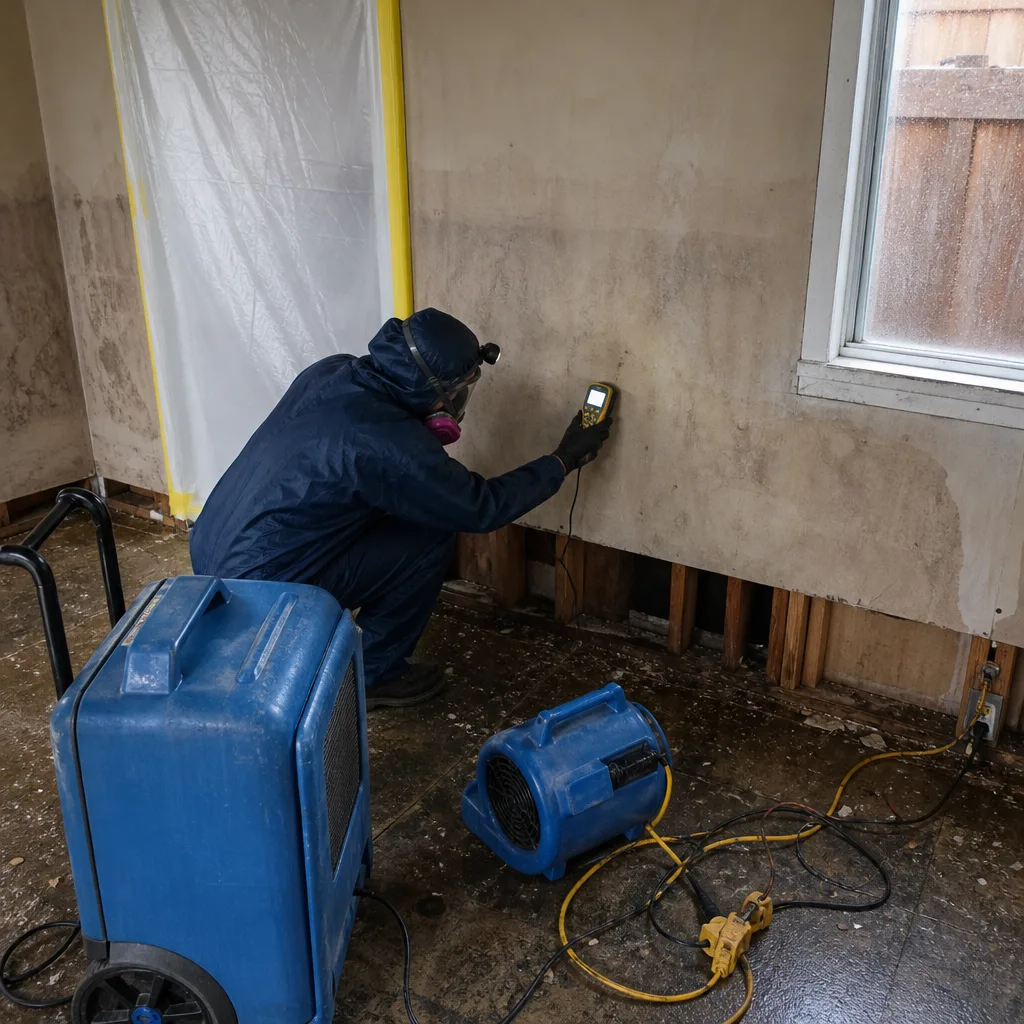 Before
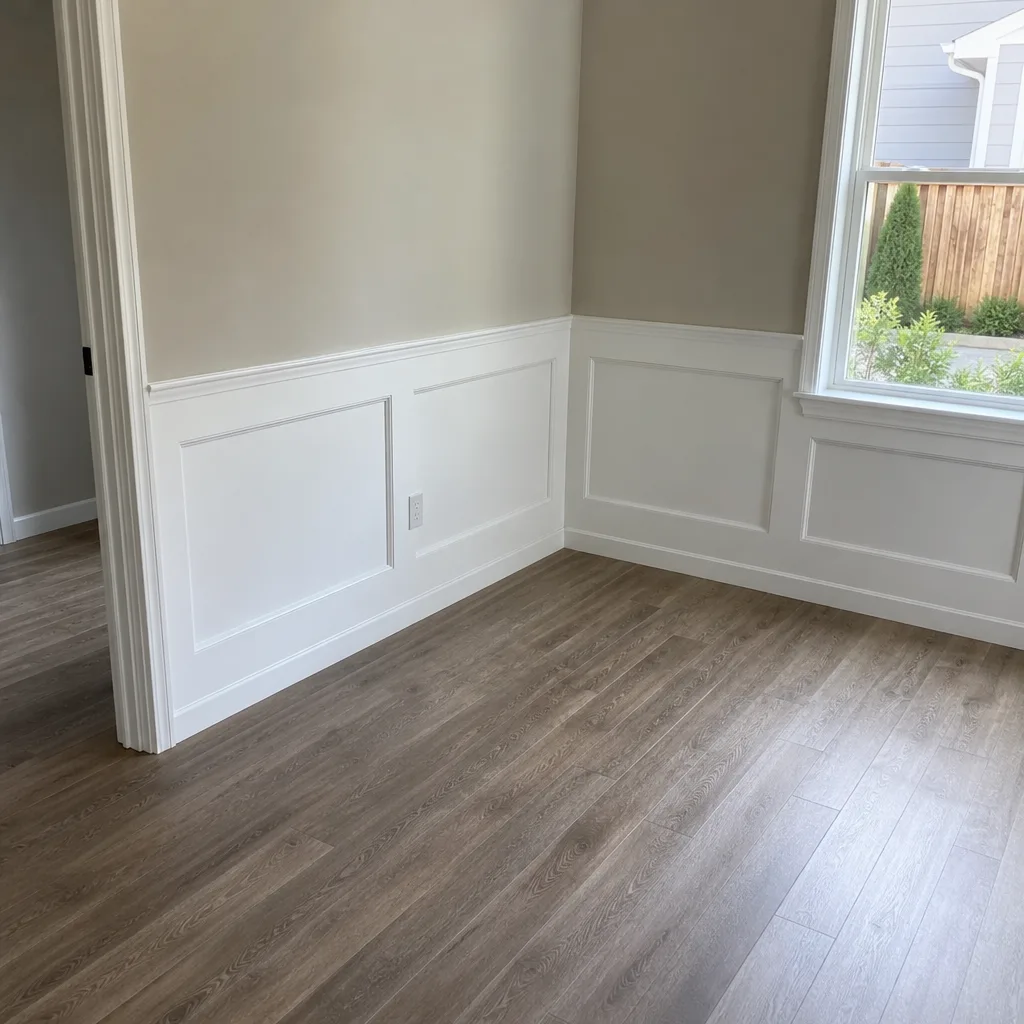 After
After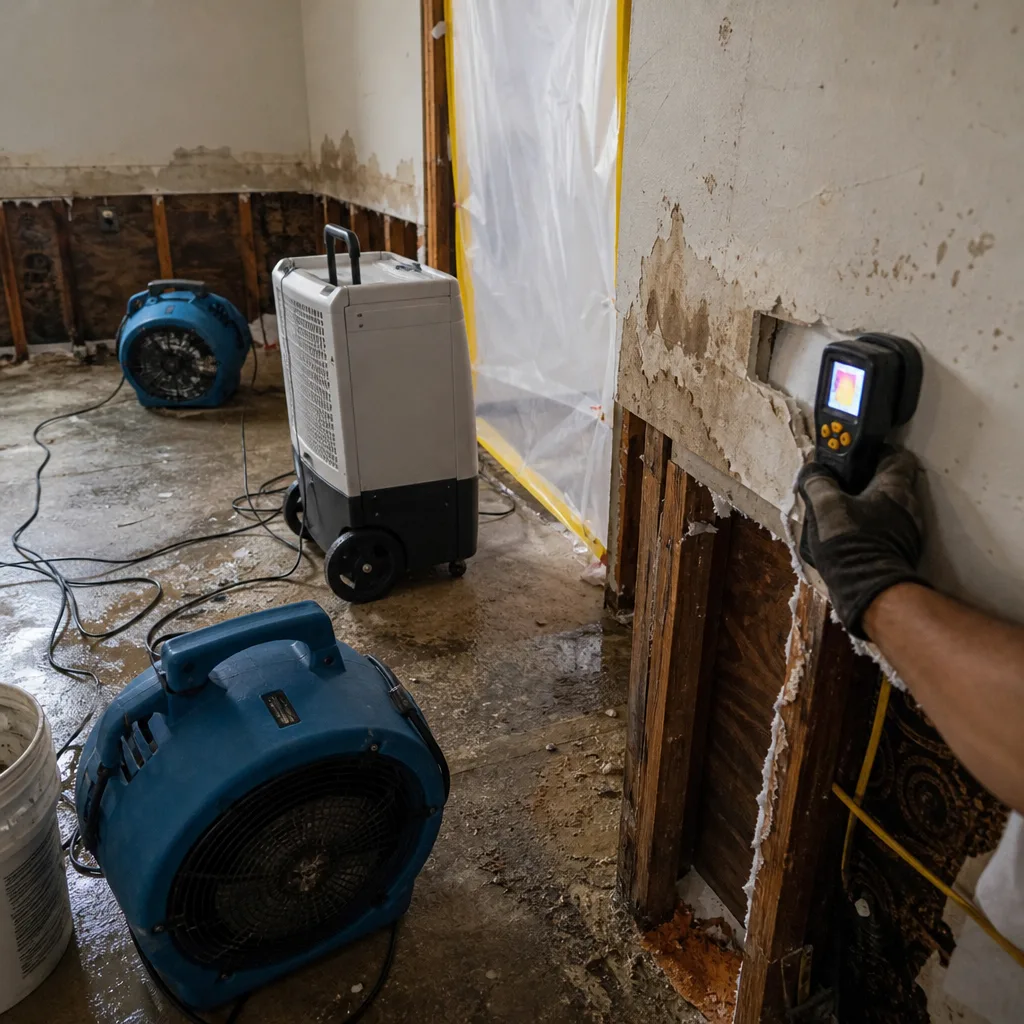 Before
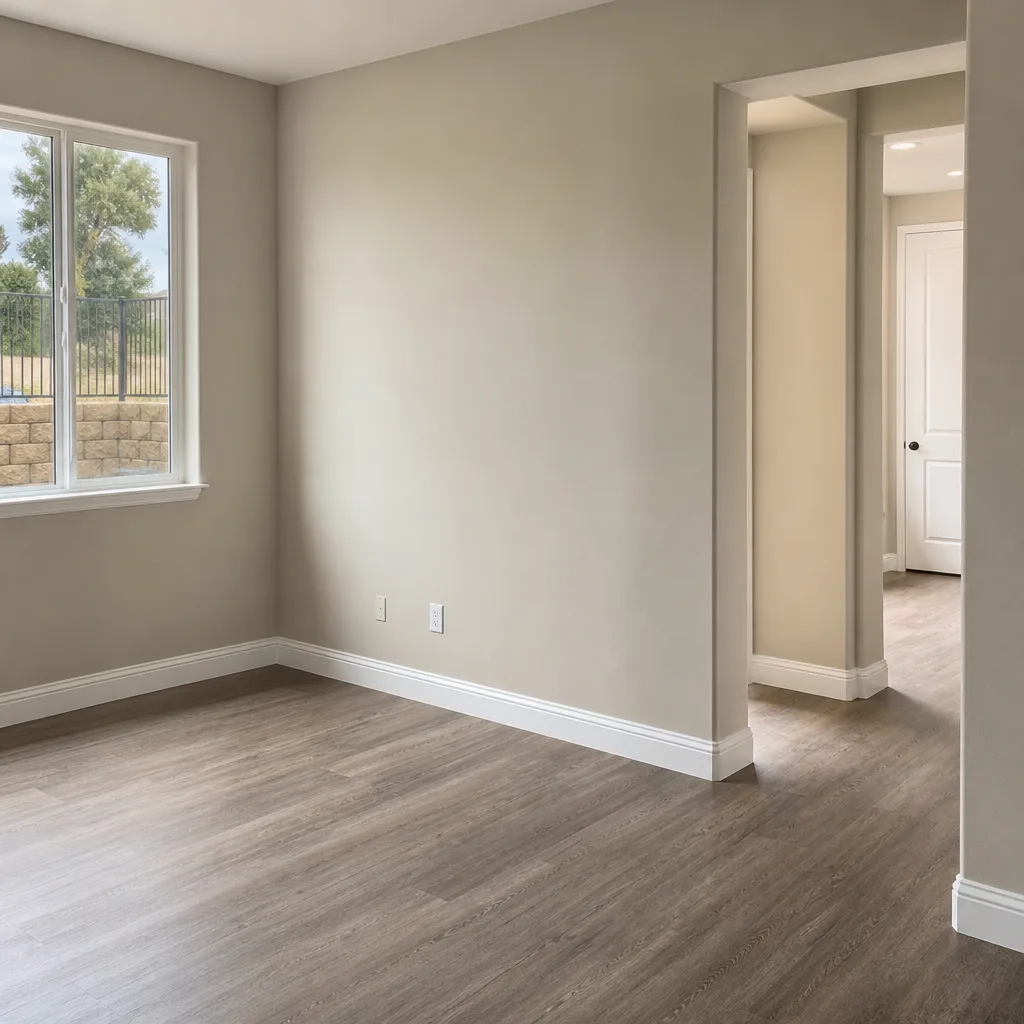 After
After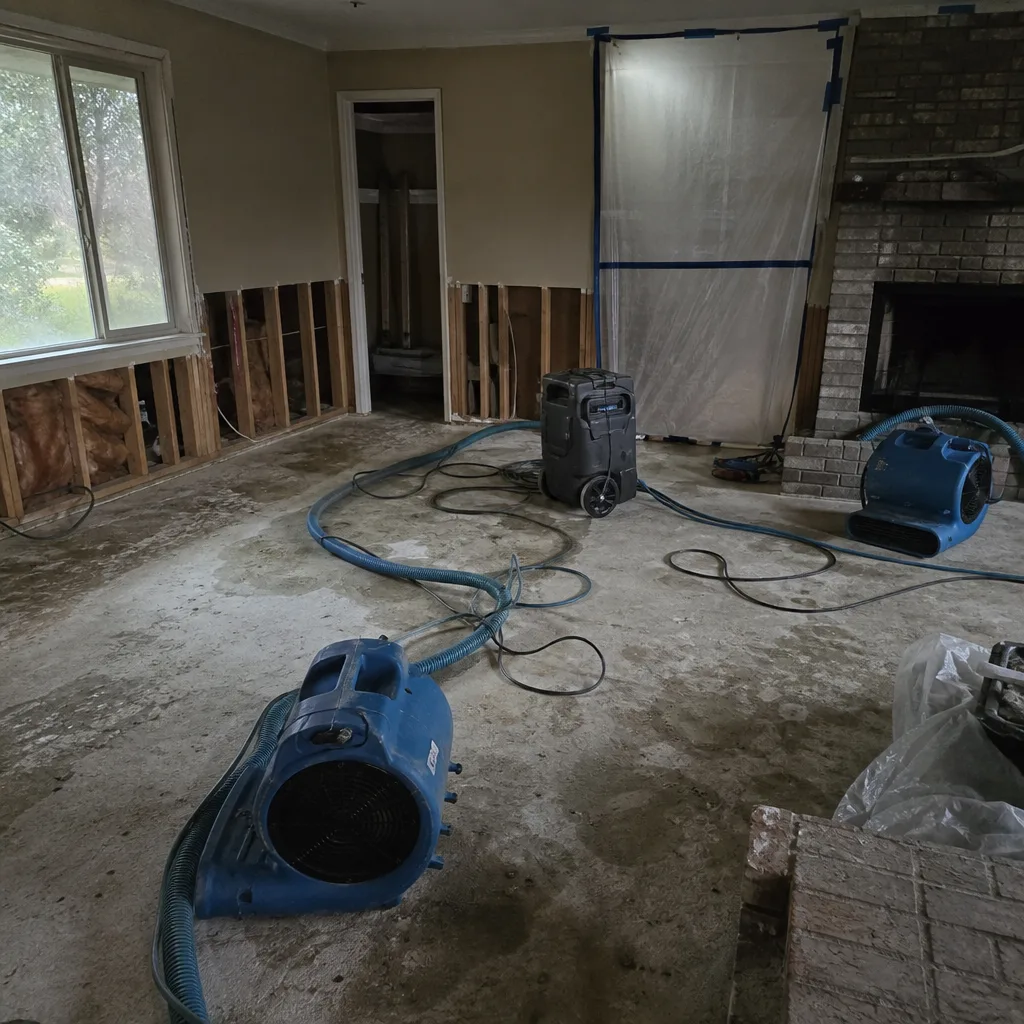 Before
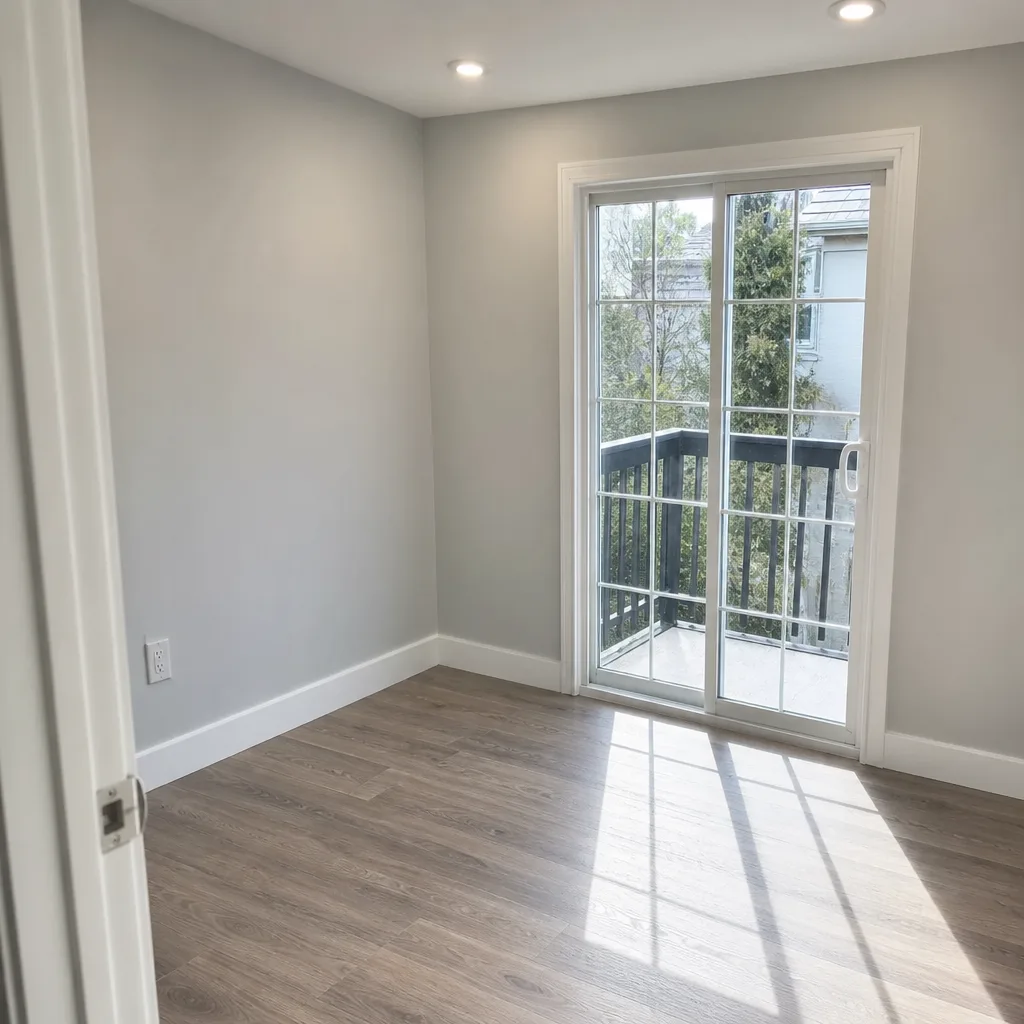 After
After